
Ubiquiti U7-LITE-US vs NETGEAR WBE750-100NAS: Specification Comparison
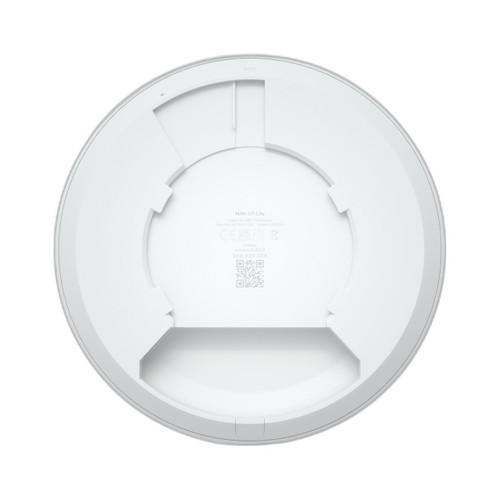
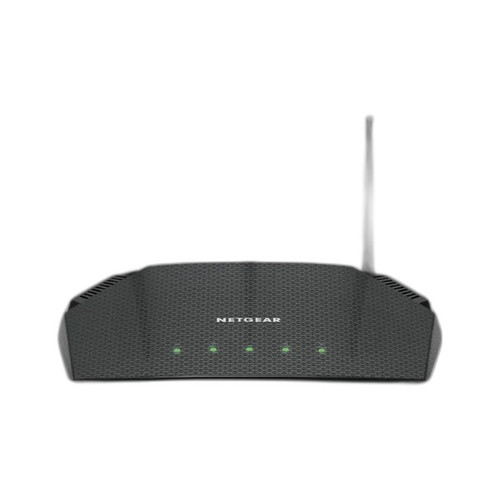
Both the Ubiquiti U7-LITE-US and NETGEAR WBE750-100NAS are WiFi 7 (802.11be) ceiling/wall-mount access points aimed at commercial and enterprise wireless deployments. This comparison examines the three dimensions most critical to infrastructure buyers evaluating these two units: radio performance and throughput capacity, uplink port speed and power input requirements, and management platform and deployment ecosystem fit. Neither unit is a consumer product; both target IT buyers and installers planning high-density wireless infrastructure.
In This Guide
- Which AP delivers more radio throughput and how do their WiFi 7 implementations differ?
- How do uplink port speed and PoE power input requirements differ between these two APs?
- What management platforms and ecosystem dependencies does each AP impose on the installer and IT buyer?
- Which should you choose: the U7-LITE-US or the WBE750-100NAS?
- Side-by-Side Specs
- FAQ
Which AP delivers more radio throughput and how do their WiFi 7 implementations differ?
The NETGEAR WBE750-100NAS specifies an aggregate throughput of 18.4 Gbps across a tri-band WiFi 7 (802.11be) radio configuration, covering 2.4 GHz, 5 GHz, and a third band. An antenna gain of 4.1/4.6 dBi is listed in the specs. The WBE750-100NAS supports WiFi 7 tri-band operation, which allows simultaneous client distribution across three independent radio chains, reducing co-channel contention in dense client environments.
The Ubiquiti U7-LITE-US is a dual-band WiFi 7 (802.11be) access point covering 2.4 GHz and 5 GHz only. It supports 4 spatial streams and channel bandwidths up to EHT 160/240 MHz. No aggregate throughput figure in Gbps is provided in the supplied specs for the U7-LITE-US. Its listed coverage area is 115 m² (1,250 ft²). The absence of a third radio band means the U7-LITE-US cannot offload clients to a 6 GHz or second 5 GHz channel the way a tri-band unit can.
On radio capacity alone, the WBE750-100NAS has a material advantage: tri-band vs. dual-band architecture and a stated 18.4 Gbps aggregate throughput vs. no published throughput figure for the U7-LITE-US. Buyers cannot directly compare aggregate throughput numbers between the two from the provided specs alone, but the tri-band vs. dual-band difference is structural and unambiguous.
How do uplink port speed and PoE power input requirements differ between these two APs?
The Ubiquiti U7-LITE-US provides a single 2.5 GbE RJ45 uplink port and is powered by PoE 802.3af, with a maximum power consumption of 13W and a voltage range of 42.5–57V DC. PoE 802.3af is the lowest-wattage PoE standard (maximum 15.4W at the PSE), meaning the U7-LITE-US can be powered by any 802.3af-capable PoE switch or injector already installed in the infrastructure. The 2.5 GbE uplink is sufficient to pass aggregate WiFi 7 throughput from a dual-band AP without becoming a bottleneck in most dual-band deployments.
The NETGEAR WBE750-100NAS specifies a 10G Ethernet uplink and requires PoE++ (802.3bt) for power input. PoE++ (802.3bt) delivers up to 90W at the PSE, which is substantially higher than 802.3af. This means the WBE750-100NAS requires a PoE++ (802.3bt)-capable switch or injector — existing 802.3af or 802.3at infrastructure cannot power it without an upgrade or a dedicated injector. The 10G uplink is well-matched to an 18.4 Gbps tri-band radio, preventing the uplink from constraining aggregate wireless throughput.
The power input requirement is a critical infrastructure planning difference. The U7-LITE-US integrates into existing 802.3af switch ports without additional hardware; the WBE750-100NAS requires 802.3bt-capable PoE infrastructure. Installers should audit switch PoE budgets and port capability before specifying the WBE750-100NAS in a retrofit environment.
What management platforms and ecosystem dependencies does each AP impose on the installer and IT buyer?
The Ubiquiti U7-LITE-US requires UniFi Network Version 9.0.114 or later for management. This is a hard platform dependency: the AP will not function without a UniFi controller, either self-hosted (on-premises hardware or virtual machine) or cloud-hosted via Ubiquiti's cloud service. Buyers already operating a UniFi environment gain full visibility and zero-touch provisioning; buyers without an existing UniFi controller must deploy one as a prerequisite. No third-party management compatibility is indicated in the provided specs.
The NETGEAR WBE750-100NAS is managed via NETGEAR Insight Cloud with Bandwidth Management listed as a management feature. NETGEAR Insight is a subscription-based cloud management platform. No on-premises controller requirement or third-party platform compatibility is indicated in the provided specs. The Insight platform provides centralized visibility and policy management for NETGEAR-managed infrastructure.
Both APs impose proprietary ecosystem lock-in: the U7-LITE-US requires the UniFi controller stack; the WBE750-100NAS requires NETGEAR Insight (and the associated subscription model). Neither spec set indicates compatibility with neutral management frameworks such as OpenWRT, TR-069, or third-party NMS platforms. Buyers already standardized on one vendor's ecosystem will face additional cost and complexity to introduce the other.
Which should you choose: the U7-LITE-US or the WBE750-100NAS?
Our take: The WBE750-100NAS is the stronger choice when maximum radio throughput, tri-band client distribution, and a 10G uplink are the primary requirements. Its tri-band WiFi 7 architecture and stated 18.4 Gbps aggregate throughput structurally outclass the U7-LITE-US's dual-band radio, and its 10G uplink ensures the wired backhaul does not constrain wireless performance. The U7-LITE-US is the stronger choice when PoE infrastructure constraints, platform standardization on UniFi, or budget are the deciding factors: its 802.3af power requirement (13W) means it operates off any existing PoE switch port, while the WBE750-100NAS requires 802.3bt-capable infrastructure that many sites will not already have. The U7-LITE-US also covers 1,250 ft² per unit per the spec sheet, though no equivalent coverage figure is published for the WBE750-100NAS. Buyers on a UniFi-standardized network should specify the U7-LITE-US; buyers prioritizing tri-band capacity and 10G backhaul who can supply 802.3bt PoE should specify the WBE750-100NAS.
Side-by-Side Comparison
Spec-for-spec, from manufacturer data.
| Specification | Ubiquiti U7-LITE-US | NETGEAR WBE750-100NAS |
|---|---|---|
| WiFi Standard | WiFi 7 (802.11be) | WiFi 7 (802.11be) |
| Radio Bands | Dual-band (2.4 GHz + 5 GHz) | Tri-band (2.4 GHz + 5 GHz + third band) |
| Aggregate Throughput | — | 18.4 Gbps |
| Spatial Streams | 4 | — |
| Uplink Port Speed | 2.5 GbE RJ45 | 10G Ethernet |
| PoE Input Standard | 802.3af | PoE++ (802.3bt) |
| Max Power Consumption | 13W | — |
| Antenna Gain | — | 4.1 / 4.6 dBi |
| Coverage Area | 115 m² (1,250 ft²) | — |
| Form Factor | Ceiling/wall mount | Wall/ceiling mount |
| Dimensions | Ø171.5 x 33 mm | — |
| Management Platform | UniFi Network (v9.0.114+) | NETGEAR Insight Cloud |
| Enclosure Material | — | Plastic |
| Warranty | Manufacturer Warranty (duration not specified) | 5 years |
| Certifications | CE, FCC, IC | — |
| Country of Origin | CN | — |
Frequently Asked Questions
Which should you choose: the U7-LITE-US or the WBE750-100NAS?
The WBE750-100NAS is the stronger choice when maximum radio throughput, tri-band client distribution, and a 10G uplink are the primary requirements. Its tri-band WiFi 7 architecture and stated 18.4 Gbps aggregate throughput structurally outclass the U7-LITE-US's dual-band radio, and its 10G uplink ensures the wired backhaul does not constrain wireless performance. The U7-LITE-US is the stronger choice when PoE infrastructure constraints, platform standardization on UniFi, or budget are the deciding factors: its 802.3af power requirement (13W) means it operates off any existing PoE switch port, while the WBE750-100NAS requires 802.3bt-capable infrastructure that many sites will not already have. The U7-LITE-US also covers 1,250 ft² per unit per the spec sheet, though no equivalent coverage figure is published for the WBE750-100NAS. Buyers on a UniFi-standardized network should specify the U7-LITE-US; buyers prioritizing tri-band capacity and 10G backhaul who can supply 802.3bt PoE should specify the WBE750-100NAS.
Can I power the NETGEAR WBE750-100NAS from my existing PoE switch?
Only if your switch supports PoE++ (802.3bt). The WBE750-100NAS specifies 802.3bt as its power input. Standard 802.3af or 802.3at PoE ports cannot power it. The Ubiquiti U7-LITE-US, by contrast, operates on 802.3af (13W), so it is compatible with any 802.3af or higher PoE port.
Do I need a separate controller or cloud subscription to deploy either of these APs?
Yes for both. The U7-LITE-US requires UniFi Network Version 9.0.114 or later — either a self-hosted or Ubiquiti cloud controller. The WBE750-100NAS is managed via NETGEAR Insight Cloud. Neither AP operates as a standalone unit without its respective management platform, based on the provided specs.
Is the U7-LITE-US or WBE750-100NAS better suited for high-density client environments?
The WBE750-100NAS has a structural advantage in high-density scenarios: its tri-band WiFi 7 radio allows clients to be distributed across three independent radio chains, reducing co-channel contention. It also specifies 18.4 Gbps aggregate throughput. The U7-LITE-US is dual-band only, and no aggregate throughput figure is published in the provided specs. For very dense deployments, the tri-band WBE750-100NAS is the more capable unit based on available specifications.
Get a Second Opinion on Your Camera Choice
Share your site layout, coverage goals, and budget. Our team will validate the camera selection, flag anything we would change, and recommend products that match the use case.