
Kantech KT-SIG-20KTKS-02 vs Ubiquiti UA-G3-FLEX-B: Specification Comparison
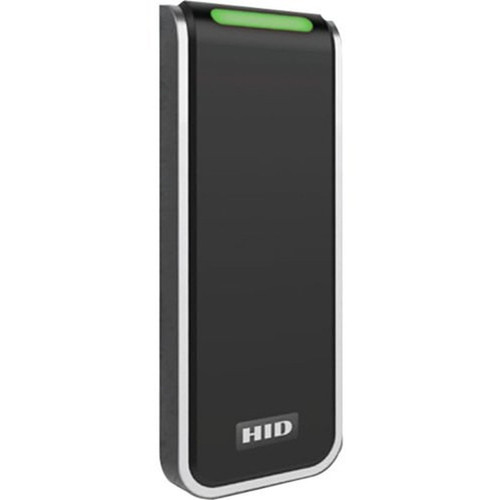
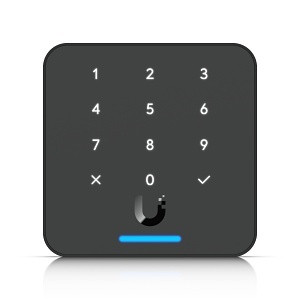
Both the Kantech KT-SIG-20KTKS-02 and the Ubiquiti UA-G3-FLEX-B are wall-mounted access control readers with integrated keypads, placing them in the same broad product class a buyer evaluating credential-reader-with-PIN solutions would consider. The Kantech unit is a mullion-form-factor, multi-technology proximity and smart-card reader targeting traditional Wiegand/RS-485 infrastructures, while the Ubiquiti unit is a PoE-powered NFC/Bluetooth reader designed for the UniFi Access ecosystem. This comparison examines credential support, physical and environmental fit, and system integration to help integrators choose between the two.
In This Guide
- Which reader supports the credential types and authentication factors required for this deployment?
- Which reader is better suited to the physical installation environment — indoor mullion vs. outdoor wall?
- How does each reader connect to the access control infrastructure, and what controller or platform does it require?
- Which should you choose: the KT-SIG-20KTKS-02 or the UA-G3-FLEX-B?
- Side-by-Side Specs
- FAQ
Which reader supports the credential types and authentication factors required for this deployment?
The KT-SIG-20KTKS-02 supports a broad mix of legacy and modern card technologies: 125 kHz proximity (HID, Indala ShadowProx 15024), MIFARE smart card, NFC/13.56 MHz, and a keypad producing an 8-bit burst PIN output. This makes it suitable for sites that must interoperate with existing HID or generic 125 kHz credential stock alongside newer contactless cards.
The UA-G3-FLEX-B lists NFC, MIFARE, Bluetooth 4.1, Apple Touch Pass, and a 12-button capacitive PIN keypad. It does not specify 125 kHz proximity support. The Bluetooth 4.1 and Apple Touch Pass capabilities add a mobile-credential path that the Kantech spec does not mention. Neither datasheet specifies card read range.
Which reader is better suited to the physical installation environment — indoor mullion vs. outdoor wall?
The KT-SIG-20KTKS-02 is a mullion-form-factor reader (wall and pole mounting, black with silver trim housing) and carries no environmental or IP rating in the provided specifications. Country of origin is Canada. Its weight is 0.36 lb. No operating temperature range is listed in the spec set.
The UA-G3-FLEX-B is explicitly outdoor-rated and weatherproof, with a polycarbonate, glass, and aluminium alloy enclosure. It is rated for −30 to 60 °C operating temperature and carries CE, FCC, IC, UL 294, and CAN/ULC-60839-11-1 certifications. Dimensions are listed as 84 mm × 84 mm × 40.8 mm (interpreting the spec field, which uses the inch symbol but reads as millimeter-scale values consistent with a card reader). Country of origin is China. Weight is 0.400 lb.
How does each reader connect to the access control infrastructure, and what controller or platform does it require?
The KT-SIG-20KTKS-02 outputs over Wiegand or RS-485 — the two dominant legacy interfaces in the access control industry. This means it can connect to virtually any third-party access controller that accepts Wiegand input, including Kantech KT-series panels and a wide range of other manufacturers' hardware. No PoE or Ethernet capability is specified; power supply requirements are not stated in the provided specs.
The UA-G3-FLEX-B connects via a single 10/100 Mbps RJ45 port and is powered by PoE 802.3af at 5 W (44–57 V DC). Management is listed as 'Application Access,' consistent with the UniFi Access controller ecosystem. This Ethernet-native architecture simplifies wiring to a single Cat 5e/6 run but binds the reader to the Ubiquiti UniFi platform. The reader is listed as NDAA compliant; no NDAA compliance statement appears in the Kantech spec.
Which should you choose: the KT-SIG-20KTKS-02 or the UA-G3-FLEX-B?
Our take: The KT-SIG-20KTKS-02 is the stronger choice when the installation demands broad legacy-credential interoperability and connection to an existing Wiegand or RS-485 access control panel. It supports 125 kHz proximity (HID, Indala), MIFARE, NFC/13.56 MHz, and PIN in a mullion form factor suited to indoor door-frame installs, while the UA-G3-FLEX-B drops 125 kHz support entirely and locks all communication to Ethernet/UniFi. Conversely, the UA-G3-FLEX-B is the correct choice for outdoor or harsh-environment positions: it carries a rated operating range of −30 to 60 °C and UL 294 certification — specs absent from the Kantech listing — and its PoE 802.3af power at 5 W eliminates a separate power run. The Ubiquiti unit also adds Bluetooth 4.1 and Apple Touch Pass mobile credentials not listed for the Kantech. Buyers standardized on Kantech or third-party Wiegand panels should select the KT-SIG-20KTKS-02; UniFi Access deployments requiring outdoor-rated hardware should select the UA-G3-FLEX-B.
Side-by-Side Comparison
Spec-for-spec, from manufacturer data.
| Specification | Kantech KT-SIG-20KTKS-02 | Ubiquiti UA-G3-FLEX-B |
|---|---|---|
| Form Factor | Mullion Reader | Card Reader (wall) |
| Mount Type | Wall; Pole | Wall |
| Weight | 0.36 lb | 0.400 lb |
| Country of Origin | CA | CN |
| Credential — 125 kHz Proximity | HID; Indala ShadowProx 15024 | — |
| Credential — MIFARE | ✓ | ✓ |
| Credential — NFC / 13.56 MHz | ✓ | ✓ |
| Credential — Bluetooth | — | Bluetooth 4.1 |
| Credential — Apple Touch Pass | — | ✓ |
| Keypad | Yes (8-bit burst output) | Yes (12-button capacitive) |
| Communication Interface | Wiegand; RS-485 | 10/100 MbE RJ45 (Ethernet) |
| Power | Not specified | PoE 802.3af, 5 W, 44–57 V DC |
| Environmental Rating | Not specified | Outdoor / Weatherproof |
| Operating Temperature | — | -30 to 60°C |
| Certifications | — | CE, FCC, IC, UL 294, CAN/ULC-60839-11-1 |
| NDAA Compliant | — | ✓ |
Frequently Asked Questions
Which should you choose: the KT-SIG-20KTKS-02 or the UA-G3-FLEX-B?
The KT-SIG-20KTKS-02 is the stronger choice when the installation demands broad legacy-credential interoperability and connection to an existing Wiegand or RS-485 access control panel. It supports 125 kHz proximity (HID, Indala), MIFARE, NFC/13.56 MHz, and PIN in a mullion form factor suited to indoor door-frame installs, while the UA-G3-FLEX-B drops 125 kHz support entirely and locks all communication to Ethernet/UniFi. Conversely, the UA-G3-FLEX-B is the correct choice for outdoor or harsh-environment positions: it carries a rated operating range of −30 to 60 °C and UL 294 certification — specs absent from the Kantech listing — and its PoE 802.3af power at 5 W eliminates a separate power run. The Ubiquiti unit also adds Bluetooth 4.1 and Apple Touch Pass mobile credentials not listed for the Kantech. Buyers standardized on Kantech or third-party Wiegand panels should select the KT-SIG-20KTKS-02; UniFi Access deployments requiring outdoor-rated hardware should select the UA-G3-FLEX-B.
Can either reader work with my existing HID proximity cards?
The KT-SIG-20KTKS-02 explicitly lists HID and 125 kHz proximity as supported credential types, so it will read standard HID prox cards. The UA-G3-FLEX-B does not list 125 kHz proximity support in the provided specifications; its credential list covers NFC, MIFARE, Bluetooth 4.1, Apple Touch Pass, and PIN only. If your site runs HID 125 kHz cards, the Kantech unit is the confirmed-compatible choice based on available specs.
Which reader can I install outside in cold climates?
The UA-G3-FLEX-B is the only unit with a stated outdoor rating and a documented operating temperature range of −30 to 60 °C, backed by UL 294 and CAN/ULC-60839-11-1 certifications. The KT-SIG-20KTKS-02 carries no environmental rating or operating temperature specification in the provided data, and its mullion form factor is described for door-frame and wall/pole installs without a weatherproof designation.
Do I need a separate power supply for either reader?
The UA-G3-FLEX-B is powered entirely by PoE 802.3af (5 W, 44–57 V DC) over its single RJ45 port — no separate power run is required. The KT-SIG-20KTKS-02 communicates over Wiegand or RS-485; no PoE capability is listed, and power supply requirements are not specified in the provided spec set. Installers should consult the Kantech datasheet or panel documentation for power wiring requirements.
More Access Control Reader Comparisons
- SDC 923P vs Ubiquiti UA-G3-FLEX-B
- SDC 923P vs Kantech KT-SIG-20KTKS-01
- SDC 923P vs Speco Technologies AP620HA
- SDC 923P vs DMP 7463-W
- SDC 923P vs SDC 920P
- Ubiquiti UA-G3-FLEX-B vs Kantech KT-SIG-20KTKS-01
Access Control Reader Buying Guides
Get a Second Opinion on Your Camera Choice
Share your site layout, coverage goals, and budget. Our team will validate the camera selection, flag anything we would change, and recommend products that match the use case.