
Honeywell CK67-X0N-58S1B0G vs Datalogic 944950001: Specification Comparison
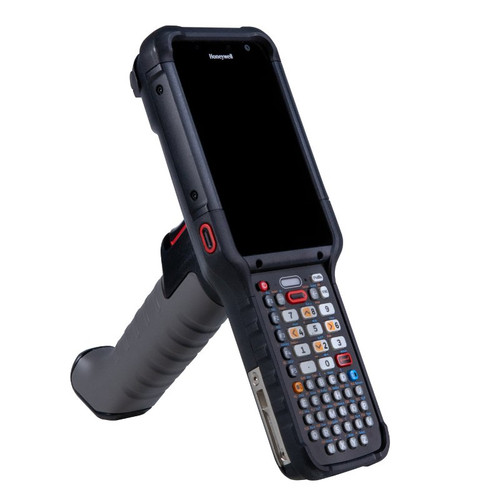
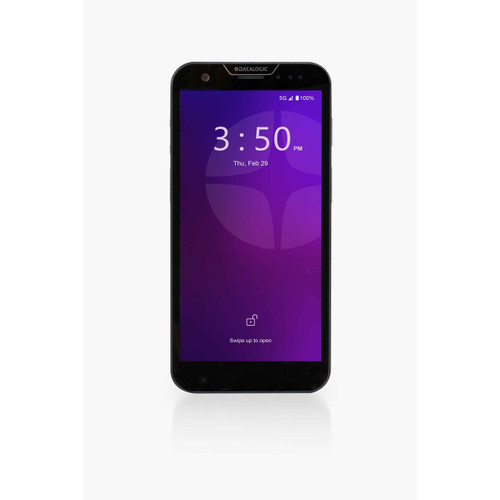
Both the Honeywell CK67-X0N-58S1B0G and the Datalogic Memor 35 5G (944950001) are IP65/IP68-rated Android handheld mobile computers targeting enterprise field and warehouse workflows. The Honeywell is a compact, scan-centric device built around an extended-range imager and a high-capacity battery, while the Datalogic leads with a larger 6-inch Full HD+ display and 5G cellular connectivity. Buyers choosing between them are weighing dedicated scanning performance and battery endurance against a larger screen, cellular broadband, and a lighter form factor.
In This Guide
- How do the scanning capability and display compare between the two devices?
- Which device offers stronger wireless connectivity and processing power?
- How do the two devices compare on ruggedness, battery endurance, and physical form factor?
- Which should you choose: the CK67-X0N-58S1B0G or the 944950001?
- Side-by-Side Specs
- FAQ
How do the scanning capability and display compare between the two devices?
The Honeywell CK67-X0N-58S1B0G ships with a FlexRange XLR Imager specified at 20+ meters of barcode read range, making it purpose-built for long-range warehouse scanning tasks such as high-rack picking or yard management. Its display is a 4.3-inch panel at 800×480 resolution protected by Corning Gorilla Glass 7.
The Datalogic Memor 35 5G pairs a 1D/2D imager (specific model and range not specified in the provided specs) with a significantly larger 6.0-inch Full HD+ display at 2160×1080, protected by Corning Gorilla Glass 5. The larger, higher-resolution screen favors applications requiring form rendering, map navigation, or rich data visualization. Scan range for the Datalogic is not stated in the available specifications.
For pure scanning distance and display durability class, the Honeywell holds an advantage with a named 20+ m imager and Gorilla Glass 7. For screen real estate and pixel density, the Datalogic is substantially ahead.
Which device offers stronger wireless connectivity and processing power?
The Honeywell CK67-X0N-58S1B0G uses a Qualcomm QCS4490 octa-core processor at 2.0 GHz with 6 GB RAM. Wireless connectivity includes Wi-Fi 6E (802.11 a/b/g/n/ac/ax), Bluetooth 5.2, NFC, and USB. There is no 5G cellular radio specified.
The Datalogic Memor 35 5G uses a Qualcomm QCM4490 octa-core processor at 2.4 GHz with 6 GB or 8 GB RAM (configuration-dependent). It adds 5G WWAN to its Wi-Fi 6E (802.11 a/b/g/n/ac/ax), Bluetooth 5.3, NFC, and USB 3.2 Type-C stack. The interface spec also lists Ethernet.
The Datalogic outpaces on CPU clock (2.4 GHz vs 2.0 GHz), offers an optional 8 GB RAM tier not available on the Honeywell, supports 5G cellular broadband for field deployments without Wi-Fi coverage, and uses the faster USB 3.2 Type-C interface. The Honeywell's connectivity is limited to Wi-Fi and Bluetooth for wireless data transfer.
How do the two devices compare on ruggedness, battery endurance, and physical form factor?
The Honeywell CK67-X0N-58S1B0G carries IP65/IP68 ratings and a 2.4 m drop specification. It weighs 516 g (18.2 oz) and measures 220×83×37 mm. Its 7000 mAh Li-Ion battery is specified at 8–12 hours of runtime. Storage temperature is rated to −30°C to 70°C and operating temperature to −20°C to 50°C.
The Datalogic Memor 35 5G also carries IP65/IP68 ratings and meets MIL-STD-810H certification. Its drop rating is stated as 6 ft (approximately 1.83 m) to concrete. It weighs 327 g and its profile thickness is listed at 17.8 mm; full dimensional data is not provided in the available specs. The battery is 4000 mAh (a 4680 mAh safe-swap variant with wireless charging is also referenced). Operating and storage temperature ranges are not specified in the provided data.
The Honeywell carries a substantially larger battery (7000 mAh vs 4000/4680 mAh) for longer shift endurance without a swap. The Datalogic is nearly 190 g lighter and adds a hot-swap battery capability and wireless charging, which can compensate for the smaller cell in managed environments. MIL-STD-810H certification on the Datalogic is a more widely recognized military-standard drop/vibration credential; the Honeywell states a drop height of 2.4 m but does not cite MIL-STD in the provided specs. Operating temperature range is documented only for the Honeywell.
Which should you choose: the CK67-X0N-58S1B0G or the 944950001?
Our take: The CK67-X0N-58S1B0G is the stronger choice when scanning distance and all-shift battery endurance are the primary requirements. Its FlexRange XLR Imager reaches 20+ meters—a figure not provided for the Datalogic—and its 7000 mAh battery outpaces the Memor 35's 4000 mAh cell by 75%, supporting documented 8–12 hour runtime without a swap. It also operates across a wider specified temperature range (−20°C to 50°C documented vs. not stated for the Datalogic). Conversely, the Datalogic Memor 35 5G is the better fit for field-mobile workers who need 5G cellular connectivity, a larger and sharper 6.0-inch Full HD+ 2160×1080 display, an optional 8 GB RAM configuration, a 2.4 GHz processor (vs 2.0 GHz), and a 189 g weight advantage. Platform buyers should also note that the Datalogic runs Android 13 with GMS while the Honeywell runs Android without GMS, which affects app ecosystem and MDM compatibility.
Side-by-Side Comparison
Spec-for-spec, from manufacturer data.
| Specification | Honeywell CK67-X0N-58S1B0G | Datalogic 944950001 |
|---|---|---|
| Product Family | CK67 | Memor 35 |
| Processor | Qualcomm QCS4490 Octa-Core 2.0 GHz | Qualcomm QCM4490 Octa-Core 2.4 GHz |
| RAM | 6 GB | 6 GB or 8 GB (config-dependent) |
| Storage | 128 GB Flash + microSD | 128 GB UFS + microSD (up to 2 TB) |
| Display | 4.3 in, 800×480, Gorilla Glass 7 | 6.0 in, 2160×1080 Full HD+, Gorilla Glass 5 |
| Operating System | Android (non-GMS) | Android 13 with GMS |
| Scan Engine | FlexRange XLR Imager (20+ m range) | 1D/2D Imager (range not specified) |
| Wi-Fi | Wi-Fi 6E (802.11 a/b/g/n/ac/ax) | Wi-Fi 6/6E (802.11 a/b/g/n/ac/ax) |
| Cellular | — | 5G WWAN |
| Bluetooth | 5.2 | 5.3 |
| IP Rating | IP65/IP68 | IP65/IP68 |
| Drop Rating | 2.4 m | MIL-STD-810H; 6 ft to concrete |
| Battery | 7000 mAh Li-Ion (8–12 hr runtime) | 4000 mAh; 4680 mAh hot-swap w/ wireless charging |
| Weight | 516 g (18.2 oz) | 327 g |
| Operating Temperature | -20°C to 50°C | Not specified |
| USB Interface | USB | USB 3.2 Type-C |
Frequently Asked Questions
Which should you choose: the CK67-X0N-58S1B0G or the 944950001?
The CK67-X0N-58S1B0G is the stronger choice when scanning distance and all-shift battery endurance are the primary requirements. Its FlexRange XLR Imager reaches 20+ meters—a figure not provided for the Datalogic—and its 7000 mAh battery outpaces the Memor 35's 4000 mAh cell by 75%, supporting documented 8–12 hour runtime without a swap. It also operates across a wider specified temperature range (−20°C to 50°C documented vs. not stated for the Datalogic). Conversely, the Datalogic Memor 35 5G is the better fit for field-mobile workers who need 5G cellular connectivity, a larger and sharper 6.0-inch Full HD+ 2160×1080 display, an optional 8 GB RAM configuration, a 2.4 GHz processor (vs 2.0 GHz), and a 189 g weight advantage. Platform buyers should also note that the Datalogic runs Android 13 with GMS while the Honeywell runs Android without GMS, which affects app ecosystem and MDM compatibility.
Is the Honeywell CK67-X0N-58S1B0G or the Datalogic Memor 35 5G better for warehouse scanning at height?
The Honeywell CK67-X0N-58S1B0G is the specified choice for long-range scanning. Its FlexRange XLR Imager is rated at 20+ meters of read range, making it suitable for high-rack or mezzanine scanning. The Datalogic Memor 35 5G lists a 1D/2D imager but does not specify a maximum scan range in the available specs, so a direct range comparison cannot be made from the provided data.
Does either device support 5G for use outside a Wi-Fi-covered facility?
Yes—the Datalogic Memor 35 5G includes 5G WWAN connectivity in addition to Wi-Fi 6E, Bluetooth 5.3, and NFC. The Honeywell CK67-X0N-58S1B0G does not include a cellular radio in the provided specifications; its wireless connectivity is limited to Wi-Fi 6E and Bluetooth 5.2.
Which device is better suited for extended shifts without access to a charging station?
The Honeywell CK67-X0N-58S1B0G carries a 7000 mAh Li-Ion battery with a specified runtime of 8–12 hours, making it the stronger option for uninterrupted single-shift use. The Datalogic Memor 35 5G has a 4000 mAh battery (a 4680 mAh safe-swap variant is also referenced), but it supports hot-swap battery replacement and wireless charging, which can extend effective uptime in depot environments with charging infrastructure.
More Mobile Computer Comparisons
- Datalogic 944850001 vs Honeywell CK67-X0N-5EC1C2G
- Datalogic 944850001 vs Honeywell CK67-X1N-58A1B1G
- Datalogic 944850001 vs Honeywell CK67-X1N-58A1A1G
- Datalogic 944850001 vs Honeywell CK67-X1N-58A1C1G
- Datalogic 944850001 vs Datalogic 944950001
- Datalogic 944850001 vs Datalogic 944900004
Mobile Computer Buying Guides
Get a Second Opinion on Your Camera Choice
Share your site layout, coverage goals, and budget. Our team will validate the camera selection, flag anything we would change, and recommend products that match the use case.