
Geovision TBLP880-0010 vs Pelco SRXF3-8180-ES: Specification Comparison
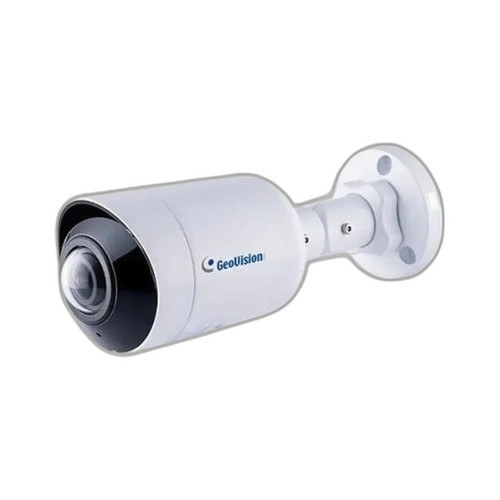
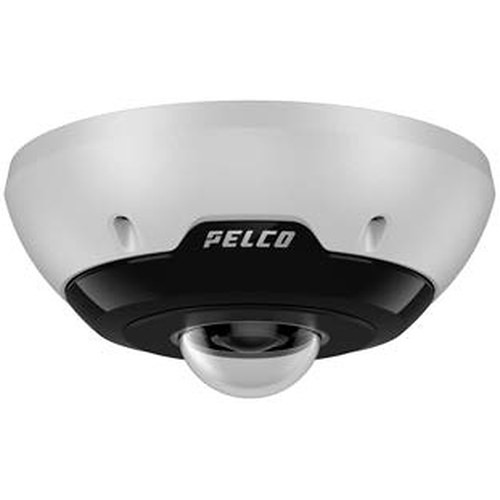
Both the Geovision TBLP880-0010 and the Pelco SRXF3-8180-ES are 8MP outdoor fixed IP cameras designed for wide-area panoramic coverage — the Geovision as a 180° panoramic bullet and the Pelco as a 180°/360° fisheye dome. Installers and IT buyers evaluating single-camera wide-area solutions for parking lots, lobbies, or perimeter zones would legitimately cross-shop these two models. The comparison examines imaging performance, installation and environmental ratings, and VMS/analytics integration to help identify which unit fits a given deployment.
In This Guide
How do the imaging specs compare?
Both cameras deliver 8MP resolution. The Geovision TBLP880-0010 uses a 1/2.7-inch sensor with a fixed 1.68 mm F/2.0 lens, producing a 180° panoramic image. Its WDR capability is listed but no dB value is specified in the provided data. IR illumination covers an estimated 20–30 m range. No minimum illumination lux figure is provided for the Geovision in the supplied specifications.
The Pelco SRXF3-8180-ES resolves at 3264×2448 pixels and offers both 180° and 360° field-of-view modes. Its lens is specified as 2.7 mm f/2.5 (with a secondary reference to 1.4 mm focal length present in the raw data — the 2.7 mm figure aligns with the Sarix Fisheye 3 series). WDR is rated up to 83 dB. Minimum illumination is stated at 0.10 lux, providing a concrete low-light benchmark absent from the Geovision spec sheet. The Pelco maximum frame rate is 12.5 fps at full resolution; no equivalent figure is provided for the Geovision.
What about installation and environment?
The Geovision TBLP880-0010 is a bullet-form-factor camera measuring 137×233×160 mm and weighing 1.65 kg. It supports wall, pole, corner, and power-box mounting. Power is delivered via PoE 802.3af (approximately 12–13 W). No IP ingress-protection rating, IK impact rating, or operating temperature range is listed in the provided specifications, which limits direct environmental comparison.
The Pelco SRXF3-8180-ES is a fisheye dome measuring 153.5×153.5×71.3 mm and weighing approximately 1.00 kg with wall mount. It is rated IP66/IP67 and IK10, with a specified operating range of −40°C to +60°C, making its outdoor suitability verifiable from the spec sheet. Power requires PoE+ (802.3at, Class 3), which demands a PoE+ capable switch or injector. Mounting options include wall, ceiling, pole, pendant, and corner. The Pelco also adds a 5-year warranty, whereas no warranty term is listed for the Geovision in the provided data.
Which fits your VMS and analytics better?
Both cameras declare ONVIF Profile S compliance, ensuring baseline interoperability with any ONVIF-compatible VMS. The Pelco SRXF3-8180-ES additionally carries ONVIF Profile T, which adds support for metadata streaming, HTTP event notifications, and PTZ configuration — broadening its compatibility with modern VMS platforms. The Geovision TBLP880-0010 lists ONVIF Profile S only. The Pelco also includes HTTPS encryption as a specified feature; this is not listed for the Geovision.
On analytics, the Geovision specifies AI Deep-Learning analytics. The Pelco SRXF3-8180-ES specifies Pelco Smart Analytics covering 8 behavior rules. The Pelco also supports microSD on-board edge storage; no local storage capability is listed for the Geovision. Audio: the Pelco spec notes microphone support; no audio input or output is listed for the Geovision in the provided data. Video compression for the Pelco is specified as H.265 and H.264; the Geovision lists H.265 only.
Which should you choose: the TBLP880-0010 or the SRXF3-8180-ES?
Our take: The SRXF3-8180-ES is the stronger choice when verifiable outdoor environmental ratings, wider VMS compatibility, and on-board edge storage are priorities. The Pelco provides explicitly rated IP66/IP67 and IK10 protection alongside a −40°C to +60°C operating range — none of these figures are present in the Geovision's supplied specifications. The Pelco also adds ONVIF Profile T (versus Profile S only on the Geovision) and 0.10 lux minimum illumination, compared to no lux figure stated for the Geovision. The Geovision TBLP880-0010 is the stronger choice when standard 802.3af PoE infrastructure is in place and the existing switch budget cannot support PoE+, as the Pelco requires 802.3at. The Geovision's AI Deep-Learning analytics may also suit deployments where the Pelco's 8-behavior rule set is insufficient, though direct analytics capability comparison requires validation beyond the provided spec data.
Side-by-Side Comparison
Spec-for-spec, from manufacturer data.
| Specification | Geovision TBLP880-0010 | Pelco SRXF3-8180-ES |
|---|---|---|
| Resolution | 8 MP | 8 MP (3264 × 2448) |
| Form Factor | Panoramic Bullet | Fisheye Dome |
| Field of View | 180° | 180° / 360° |
| Image Sensor Size | 1/2.7 inch | — |
| Lens / Focal Length | 1.68 mm, F/2.0 | 2.7 mm, f/2.5 |
| Min Illumination | — | 0.10 lux |
| IR Range | ~20–30 m | — |
| WDR | WDR (dB not specified) | WDR up to 83 dB |
| Max Frame Rate | — | 12.5 fps (full resolution) |
| Video Compression | H.265 | H.265; H.264 |
| Power Input / PoE | PoE 802.3af (~12–13 W) | PoE+ 802.3at (Class 3) |
| IP Rating | — | IP66 / IP67 |
| Impact Rating | — | IK10 |
| Operating Temperature | — | −40°C to +60°C |
| ONVIF Compliance | Profile S | Profile S; Profile T |
| Edge Storage | — | microSD |
| Audio | — | Microphone supported |
| Analytics | AI Deep-Learning | Pelco Smart Analytics (8 behaviors) |
| Mounting Options | Wall; Pole; Corner; Power Box | Wall; Ceiling; Pole; Pendant; Corner |
| Dimensions | 137 × 233 × 160 mm | 153.5 × 153.5 × 71.3 mm |
| Weight | 1.65 kg (3.64 lb) | ~1.00 kg (2.21 lb) with wall mount |
| Warranty | — | 5 years |
Frequently Asked Questions
Which should you choose: the TBLP880-0010 or the SRXF3-8180-ES?
The SRXF3-8180-ES is the stronger choice when verifiable outdoor environmental ratings, wider VMS compatibility, and on-board edge storage are priorities. The Pelco provides explicitly rated IP66/IP67 and IK10 protection alongside a −40°C to +60°C operating range — none of these figures are present in the Geovision's supplied specifications. The Pelco also adds ONVIF Profile T (versus Profile S only on the Geovision) and 0.10 lux minimum illumination, compared to no lux figure stated for the Geovision. The Geovision TBLP880-0010 is the stronger choice when standard 802.3af PoE infrastructure is in place and the existing switch budget cannot support PoE+, as the Pelco requires 802.3at. The Geovision's AI Deep-Learning analytics may also suit deployments where the Pelco's 8-behavior rule set is insufficient, though direct analytics capability comparison requires validation beyond the provided spec data.
Is the TBLP880-0010 or SRXF3-8180-ES better for low light?
Based on the provided specifications, only the Pelco SRXF3-8180-ES lists a minimum illumination figure — 0.10 lux. The Geovision TBLP880-0010 does not include a lux value in its supplied specs, so a direct low-light comparison cannot be made from the data available. The Pelco also specifies IR/850 nm day/night switching; the Geovision specifies IR day/night with an estimated 20–30 m IR range.
Can I power either camera from a standard 802.3af PoE switch?
The Geovision TBLP880-0010 is powered by 802.3af PoE at approximately 12–13 W, so a standard PoE switch port is sufficient. The Pelco SRXF3-8180-ES requires PoE+ (802.3at, Class 3), which delivers up to 30 W. If your existing switch supports only 802.3af, only the Geovision can be powered without upgrading or adding a PoE+ injector.
Which camera is confirmed rated for outdoor use in extreme temperatures?
The Pelco SRXF3-8180-ES carries IP66/IP67 weatherproofing, IK10 vandal resistance, and a specified operating range of −40°C to +60°C — all listed in the provided spec sheet. The Geovision TBLP880-0010 does not include IP rating, IK rating, or operating temperature range in the supplied specifications, so its outdoor suitability cannot be confirmed from the available data alone.
Get a Second Opinion on Your Camera Choice
Share your site layout, coverage goals, and budget. Our team will validate the camera selection, flag anything we would change, and recommend products that match the use case.