
Geovision ABL473W-0010 vs Geovision TBL480W-0010: Specification Comparison
Both the Geovision ABL473W-0010 and TBL480W-0010 are 4MP fixed bullet IP cameras aimed at outdoor surveillance deployments, powered over PoE and compliant with ONVIF Profile S. They occupy the same resolution class and share a common form factor, making them genuine cross-shop candidates for integrators evaluating Geovision's bullet camera lineup. This comparison examines how their imaging capabilities, installation characteristics, and VMS integration options differ based solely on the specifications provided by the manufacturer for each model.
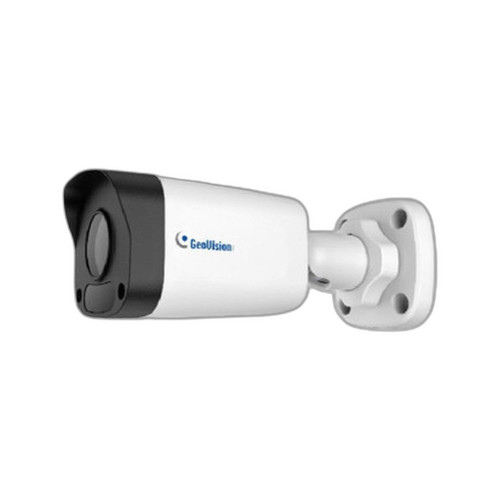
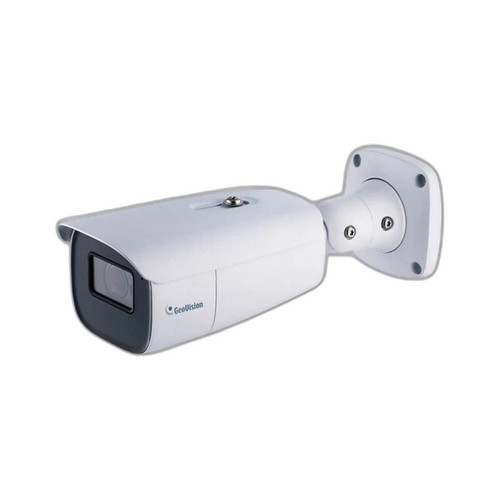
In This Guide
How do the imaging specs compare?
Both cameras deliver 4MP resolution and include IR night vision alongside WDR. The ABL473W-0010 specifies standard WDR, while the TBL480W-0010 upgrades to WDR Pro — a higher-grade dynamic range mode that typically handles more extreme contrast ratios, though the exact stop or dB rating is not provided in the available specs for either model. On IR, the TBL480W-0010 explicitly lists an 850nm wavelength, which is a conventional near-infrared emitter; the ABL473W-0010 lists IR without specifying wavelength. IR range figures are not provided for either camera.
Compression support differs: the ABL473W-0010 supports both H.265 and H.264, giving it backward compatibility with older NVR platforms that lack H.265 decoding. The TBL480W-0010 lists only H.265. The ABL473W-0010 also specifies a 4mm fixed lens, while no focal length is listed in the available specs for the TBL480W-0010. Minimum illumination figures, image sensor size, and maximum frame rate are absent from the provided specs for both models.
What about installation and environment?
Both cameras are PoE-powered. The ABL473W-0010 specifies PoE 802.3af compliance, which pins maximum power draw at 15.4W and clarifies switch port budgeting without an upgrade to 802.3at. The TBL480W-0010 lists only 'PoE' without specifying the IEEE class, leaving switch budget planning less precise. Neither camera provides an IP ingress protection rating, IK impact rating, operating temperature range, or humidity specification in the supplied specs — installers will need to consult the full datasheet before deploying in harsh or temperature-extreme environments.
Mounting options differ modestly: the ABL473W-0010 supports wall, pole, and soffit mounting, while the TBL480W-0010 supports wall and ceiling mounting. The pole and soffit options on the ABL473W-0010 give it more flexibility for street-pole or overhang deployments. Dimensions and weight are not specified for either model.
Which fits your VMS and analytics better?
Both cameras are ONVIF Profile S compliant, ensuring basic interoperability with any Profile S-certified NVR or VMS. The TBL480W-0010 explicitly lists broader VMS compatibility — ONVIF Profile S, the Geovision VMS platform, and third-party NVR platforms — while the ABL473W-0010 lists only ONVIF Profile S. This does not mean the ABL473W-0010 is incompatible with Geovision's own VMS, but that compatibility is not confirmed in the provided spec data. Edge analytics, audio input/output, and onboard SD card storage are not specified for either camera in the available data, so those capabilities cannot be compared.
Which should you choose: the ABL473W-0010 or the TBL480W-0010?
Our take: The TBL480W-0010 is the stronger choice when WDR performance and explicit VMS ecosystem breadth are the priorities. Its WDR Pro designation indicates a higher-grade dynamic range capability versus the standard WDR on the ABL473W-0010, and its specs explicitly confirm compatibility with Geovision's own VMS platform alongside third-party NVRs. The ABL473W-0010 holds two concrete advantages: it specifies PoE 802.3af compliance for precise switch budgeting, whereas the TBL480W-0010 leaves PoE class undefined; it also supports H.264 in addition to H.265, easing integration into older NVR infrastructure. Its 4mm fixed lens is also confirmed, while the TBL480W-0010's focal length is unspecified. Specify the TBL480W-0010 for Geovision-centric deployments or high-contrast scenes; choose the ABL473W-0010 where H.264 backward compatibility or 802.3af budget certainty is required.
Side-by-Side Comparison
Spec-for-spec, from manufacturer data.
| Specification | Geovision ABL473W-0010 | Geovision TBL480W-0010 |
|---|---|---|
| Resolution | 4MP | 4MP |
| Camera Type | Bullet (Fixed) | Bullet (Fixed) |
| MPN | 84-ABL473W-0010 | 84-TBL480W-0010 |
| Lens / Focal Length | 4mm fixed | — |
| WDR | WDR | WDR Pro |
| IR Night Vision | IR (wavelength not specified) | IR (850nm) |
| Video Compression | H.265; H.264 | H.265 |
| PoE Standard | PoE (802.3af) | PoE (class not specified) |
| ONVIF | Profile S | Profile S |
| VMS Compatibility | ONVIF Profile S | ONVIF Profile S; Geovision; Third-party NVR |
| Mount Types | Wall; Pole; Soffit | Wall; Ceiling |
Frequently Asked Questions
Which should you choose: the ABL473W-0010 or the TBL480W-0010?
The TBL480W-0010 is the stronger choice when WDR performance and explicit VMS ecosystem breadth are the priorities. Its WDR Pro designation indicates a higher-grade dynamic range capability versus the standard WDR on the ABL473W-0010, and its specs explicitly confirm compatibility with Geovision's own VMS platform alongside third-party NVRs. The ABL473W-0010 holds two concrete advantages: it specifies PoE 802.3af compliance for precise switch budgeting, whereas the TBL480W-0010 leaves PoE class undefined; it also supports H.264 in addition to H.265, easing integration into older NVR infrastructure. Its 4mm fixed lens is also confirmed, while the TBL480W-0010's focal length is unspecified. Specify the TBL480W-0010 for Geovision-centric deployments or high-contrast scenes; choose the ABL473W-0010 where H.264 backward compatibility or 802.3af budget certainty is required.
Is the ABL473W-0010 or TBL480W-0010 better for low-light performance?
Based on the available specs, the TBL480W-0010 specifies an 850nm IR wavelength while the ABL473W-0010 lists IR without a wavelength. The TBL480W-0010 also carries WDR Pro versus standard WDR on the ABL473W-0010, suggesting better handling of high-contrast scenes. However, minimum illumination figures and IR range distances are not provided for either model, so a definitive low-light comparison cannot be made from spec data alone — consult the full datasheets.
Can I use either camera with a non-Geovision NVR?
Both cameras are ONVIF Profile S compliant, which supports interoperability with any Profile S-certified NVR or VMS. The TBL480W-0010 additionally lists explicit compatibility with third-party NVR platforms in its spec data. The ABL473W-0010 lists only ONVIF Profile S, though this is generally sufficient for most mixed-vendor deployments. Neither camera specifies ONVIF Profile T or G support in the provided data.
Which camera is easier to install on existing 802.3af PoE switches?
The ABL473W-0010 explicitly states PoE 802.3af compliance, confirming it operates within the 15.4W per-port budget of standard PoE switches — no PoE+ ports required. The TBL480W-0010 lists only 'PoE' without specifying the IEEE standard or power class, which means you cannot confirm from the spec sheet alone whether a standard 802.3af port is sufficient. Verify the TBL480W-0010's power draw in its full datasheet before deploying on budget-constrained PoE switches.
Get a Second Opinion on Your Camera Choice
Share your site layout, coverage goals, and budget. Our team will validate the camera selection, flag anything we would change, and recommend products that match the use case.