
Datalogic QBT2500-BK-BTK1 vs Datalogic QBT2131-BK-BTK1: Specification Comparison
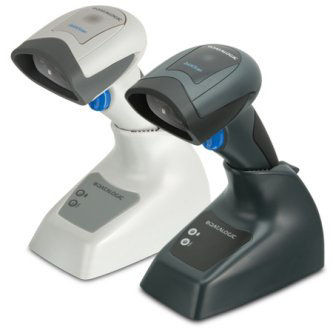
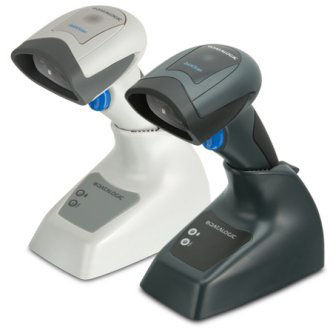
Both the Datalogic QBT2500-BK-BTK1 and QBT2131-BK-BTK1 are wireless handheld 1D linear imager barcode scanners from the QuickScan family, targeting warehouse, retail, and light-industrial scanning environments. Both share the same physical footprint, weight, and base-station connectivity model, making them direct cross-shop candidates for buyers evaluating Bluetooth cordless 1D scanning. The key differentiators lie in symbology breadth, battery capacity, ingress protection rating, and Bluetooth profile support — factors that matter most for deployment scope, shift length, and environmental exposure.
In This Guide
Which scanner reads a broader range of barcodes and symbologies?
The QBT2500-BK-BTK1 lists a significantly wider symbology set per its specifications: Code 39, UPC, EAN, Code 128, plus 2D formats including QR Code, Data Matrix, and PDF417 — indicating a scan engine capable of capturing both 1D and 2D codes despite the product being marketed as a 1D scanner. The QBT2131-BK-BTK1 specifies UPC, EAN-13, Code 128, Code 39, Codabar, and Interleaved 2-of-5 — a standard 1D-only symbology set with no 2D formats listed.
For operations that exclusively scan traditional 1D labels (retail shelf, basic warehouse receiving), the QBT2131-BK-BTK1 covers all common symbologies adequately. However, deployments that may encounter QR codes, Data Matrix marks on PCBs or pharmaceuticals, or PDF417 on driver's licenses and shipping labels would find the QBT2500-BK-BTK1 more versatile based on the provided spec data. Note that the QBT2500-BK-BTK1 spec sheet also lists WiFi as an interface option, whereas the QBT2131-BK-BTK1 does not; WiFi connectivity is not listed for the QBT2131-BK-BTK1.
Which scanner offers longer untethered run time for extended shifts?
Battery capacity is a direct differentiator: the QBT2500-BK-BTK1 carries a 3,250 mAh lithium-ion battery, while the QBT2131-BK-BTK1 is specified at 1,400 mAh — a 132% capacity advantage for the QBT2500. No charge-cycle count or rated scan-hours are provided in the supplied specifications for either unit, so a direct run-time-in-hours comparison cannot be made from the provided data alone.
For single-shift operations where a base station cradle is always accessible for opportunistic charging, the QBT2131-BK-BTK1's 1,400 mAh battery may be sufficient. For extended double shifts, mobile carts without persistent cradle access, or high-volume scan environments, the QBT2500-BK-BTK1's 3,250 mAh pack provides a materially larger buffer. Both units operate at 5 VDC input; input voltage is not specified for the QBT2131-BK-BTK1 in the provided data.
Which scanner is better suited to harsh or demanding physical environments?
Ingress protection ratings differ between the two models. The QBT2500-BK-BTK1 carries an IP52 rating — dust-protected (first digit 5) and protected against vertically dripping water (second digit 2). The QBT2131-BK-BTK1 is rated IP42 — protected against solid objects greater than 1 mm (first digit 4, a lower dust protection level) and the same drip resistance (second digit 2). For dusty environments such as lumber yards, manufacturing floors, or grain handling, the QBT2500's IP52 offers meaningfully better particulate ingress protection.
On Bluetooth profiles, the QBT2131-BK-BTK1 explicitly specifies HID (Human Interface Device) profile support, which enables direct pairing to a host without a dedicated base or driver installation. The QBT2500-BK-BTK1 does not specify a named Bluetooth profile in the provided data. Both units list USB and RS-232 connectivity via a base station. The QBT2500-BK-BTK1 additionally lists WiFi as an interface; the QBT2131-BK-BTK1 does not.
Which should you choose: the QBT2500-BK-BTK1 or the QBT2131-BK-BTK1?
Our take: The QBT2500-BK-BTK1 is the stronger choice when deployment demands broader symbology coverage, longer untethered run time, or better dust resistance. Concretely: its 3,250 mAh battery is 132% larger than the QBT2131-BK-BTK1's 1,400 mAh pack; its IP52 rating exceeds the QBT2131's IP42 for particulate protection; and its specified symbologies include 2D formats (QR Code, Data Matrix, PDF417) absent from the QBT2131-BK-BTK1's spec sheet. Conversely, the QBT2131-BK-BTK1 explicitly specifies HID Bluetooth profile support — enabling driverless host pairing — which the QBT2500-BK-BTK1 does not confirm in the provided data. For a single-shift retail counter with consistent cradle access and 1D-only label stock, the QBT2131-BK-BTK1 covers the functional requirements. For warehouses with dusty conditions, long shifts, or mixed 1D/2D label environments, the QBT2500-BK-BTK1's spec profile is the better fit.
Side-by-Side Comparison
Spec-for-spec, from manufacturer data.
| Specification | Datalogic QBT2500-BK-BTK1 | Datalogic QBT2131-BK-BTK1 |
|---|---|---|
| Series / Family | QuickScan QBT2131 | QuickScan QBT2131 |
| Product Type | Wireless Handheld Barcode Scanner | Wireless Handheld Barcode Scanner |
| Scan Engine | 1D Linear Imager (2D listed in specs) | 1D Linear Imager |
| 2D Symbology Support | QR Code, Data Matrix, PDF417 (listed) | Not listed |
| 1D Symbologies | Code 39, Code 128, UPC, EAN | UPC, EAN-13, Code 128, Code 39, Codabar, I 2-of-5 |
| Battery Capacity | 3,250 mAh Li-Ion | 1,400 mAh |
| IP Rating | IP52 | IP42 |
| Bluetooth Profile | Not specified in provided data | HID |
| Connectivity | Bluetooth, USB, RS-232 via base, WiFi (listed) | Bluetooth, USB, RS-232 via base |
| Weight | 159 g (0.35 lb) | 159 g (0.35 lb) |
| Dimensions (mm) | 69 x 127 x 124 | 69 x 127 x 124 |
| Input Voltage | 5 VDC | Not specified in provided data |
| Warranty | 3-Year Limited | 3-Year Limited |
| Color / SKU Suffix | BK (Black) + BTK1 base kit | BK (Black) + BTK1 base kit |
Frequently Asked Questions
Which should you choose: the QBT2500-BK-BTK1 or the QBT2131-BK-BTK1?
The QBT2500-BK-BTK1 is the stronger choice when deployment demands broader symbology coverage, longer untethered run time, or better dust resistance. Concretely: its 3,250 mAh battery is 132% larger than the QBT2131-BK-BTK1's 1,400 mAh pack; its IP52 rating exceeds the QBT2131's IP42 for particulate protection; and its specified symbologies include 2D formats (QR Code, Data Matrix, PDF417) absent from the QBT2131-BK-BTK1's spec sheet. Conversely, the QBT2131-BK-BTK1 explicitly specifies HID Bluetooth profile support — enabling driverless host pairing — which the QBT2500-BK-BTK1 does not confirm in the provided data. For a single-shift retail counter with consistent cradle access and 1D-only label stock, the QBT2131-BK-BTK1 covers the functional requirements. For warehouses with dusty conditions, long shifts, or mixed 1D/2D label environments, the QBT2500-BK-BTK1's spec profile is the better fit.
Is the QBT2500-BK-BTK1 or QBT2131-BK-BTK1 better for a full warehouse shift without recharging?
Based on the provided specifications, the QBT2500-BK-BTK1 is the stronger candidate for extended untethered use. Its battery is rated at 3,250 mAh versus the QBT2131-BK-BTK1's 1,400 mAh — a 132% capacity advantage. Neither spec sheet provides rated scan-hours, so precise run-time cannot be confirmed from the supplied data alone.
Can either scanner read QR codes or 2D barcodes?
The QBT2500-BK-BTK1 lists QR Code, Data Matrix, and PDF417 among its specified symbologies, indicating 2D scanning capability. The QBT2131-BK-BTK1's specified symbologies — UPC, EAN-13, Code 128, Code 39, Codabar, Interleaved 2-of-5 — are 1D only; no 2D formats are listed in the provided data for that model.
Which scanner pairs more easily with a PC or tablet without extra software?
The QBT2131-BK-BTK1 explicitly specifies HID (Human Interface Device) Bluetooth profile support, which allows it to pair directly with a host as a keyboard-wedge device without additional drivers or middleware. The QBT2500-BK-BTK1 does not specify a named Bluetooth profile in the provided specifications, so HID support for that model cannot be confirmed from the available data.
More Barcode Scanner Comparisons
- Datalogic QBT2500-BK-BTK1 vs CipherLab A2504S2BS0001
- Datalogic QBT2500-BK-BTK1 vs CipherLab A2560SCBS0001
- Datalogic QBT2500-BK-BTK1 vs CipherLab A2564SMBKU0S1
- Datalogic QBT2500-BK-BTK1 vs Socket Mobile CX3532-2134
- CipherLab A2504S2BS0001 vs Socket Mobile CX3532-2134
- CipherLab A2504S2BS0001 vs Socket Mobile CX4065-3128
Barcode Scanner Buying Guides
Get a Second Opinion on Your Camera Choice
Share your site layout, coverage goals, and budget. Our team will validate the camera selection, flag anything we would change, and recommend products that match the use case.