
Datalogic 946200002 vs Honeywell CK67-X1N-58A1A1G: Specification Comparison
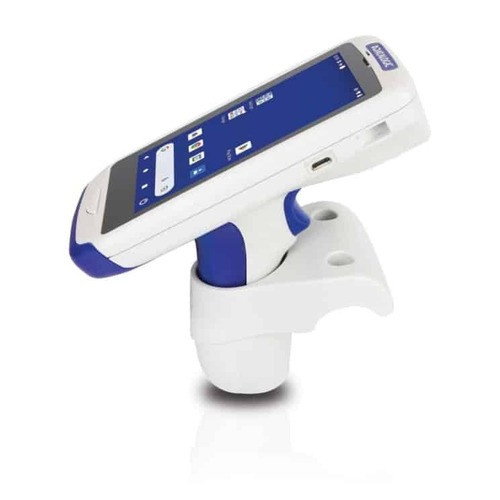
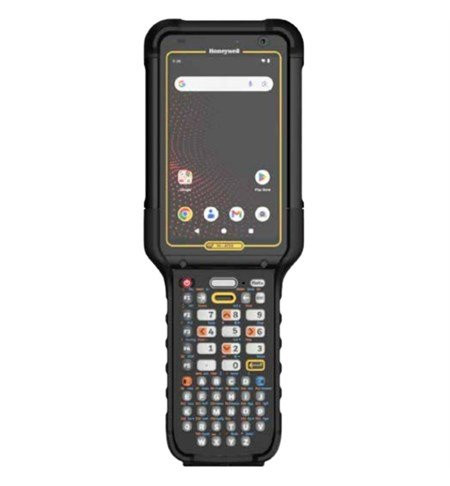
Both the Datalogic Joya Touch 22 (946200002) and the Honeywell CK67-X1N-58A1A1G are handheld Android mobile computers with 4.3-inch touchscreens, integrated barcode scanning, and microSD expandable storage — products a buyer would legitimately cross-shop for enterprise mobility deployments. The comparison spans computing platform and storage capacity, durability and environmental ratings, and connectivity breadth including cellular capability, to help integrators and IT buyers determine which device fits their operational environment.
In This Guide
- Which device offers more processing power and on-board storage for data-intensive workflows?
- Which device is built for harsher physical and environmental conditions on the floor or in the field?
- Which device supports broader wireless connectivity and more versatile barcode scanning in the field?
- Which should you choose: the 946200002 or the CK67-X1N-58A1A1G?
- Side-by-Side Specs
- FAQ
Which device offers more processing power and on-board storage for data-intensive workflows?
The Datalogic Joya Touch 22 runs a Qualcomm SD660 clocked at 2.2 GHz paired with 4 GB RAM and 32 GB of internal flash storage. The Honeywell CK67-X1N-58A1A1G uses a Qualcomm QCS4490 octa-core processor at 2.0 GHz with 6 GB RAM and 128 GB of internal flash. On raw clock speed the Joya Touch 22 has a slight edge at 2.2 GHz versus 2.0 GHz, but the CK67 provides 50 percent more RAM (6 GB vs. 4 GB) and four times the internal storage (128 GB vs. 32 GB). Both support microSD expansion. The Joya Touch 22 ships on Android 11 with GMS; the CK67-X1N-58A1A1G specifies Android with GMS but the exact Android version is not listed in the provided specs. For deployments running large local databases, multiple concurrent applications, or frequent OS image updates without relying on microSD, the CK67's memory and storage headroom is materially larger.
Which device is built for harsher physical and environmental conditions on the floor or in the field?
The Honeywell CK67-X1N-58A1A1G carries an IP65/IP68 dual ingress-protection rating, a verified 2.4 m drop rating, an operating temperature range of -20°C to 50°C (-4°F to 122°F), and a storage temperature range of -30°C to 70°C (-22°F to 158°F). Its display uses Corning Gorilla Glass 7. The Datalogic Joya Touch 22 specs provided do not include an IP rating, a drop-test rating, or an operating temperature range. The Joya Touch 22 is described as a 'Full Touch Retail' form factor, which is consistent with a store-floor or light-duty environment rather than a rugged industrial or outdoor deployment. Buyers who need certified protection against dust, sustained water exposure, or repeated drops onto concrete should note that those ratings are present only for the CK67. The Joya Touch 22 display spec does not reference impact-resistant glass.
Which device supports broader wireless connectivity and more versatile barcode scanning in the field?
The Honeywell CK67-X1N-58A1A1G adds 5G Sub-6 GHz and mmWave WWAN with Nano SIM and eSIM support, Wi-Fi 6E (802.11 a/b/g/n/ac/ax), Bluetooth 5.2, NFC, and a named FlexRange Imager scan engine specified for 1D/2D symbologies. The Datalogic Joya Touch 22 provides Wi-Fi 802.11 a/b/g/n/ac with 2x2 MU-MIMO, Bluetooth 5.1 with BLE, and NFC; no WWAN or cellular capability is listed in the provided specs. The Joya Touch 22 scan engine details are referenced in its datasheet index but no engine model or scan-range specification is provided in the supplied spec data. Both units include NFC. For facilities requiring untethered 5G connectivity, wide-area logistics, or confirmed long-range scanning specifications, the CK67 supplies those attributes; the Joya Touch 22 is positioned as a Wi-Fi-only retail device with wireless charging convenience and a lighter 286 g body versus the CK67's 516 g.
Which should you choose: the 946200002 or the CK67-X1N-58A1A1G?
Our take: The CK67-X1N-58A1A1G is the stronger choice when the deployment demands certified ruggedness, cellular connectivity, and higher on-device compute resources. It delivers IP65/IP68 ingress protection and a 2.4 m drop rating absent from the Joya Touch 22 specs; carries 6 GB RAM and 128 GB flash versus 4 GB RAM and 32 GB on the Joya Touch 22; and adds 5G WWAN with Wi-Fi 6E where the Joya Touch 22 is Wi-Fi 5 only with no cellular option listed. Conversely, the Datalogic Joya Touch 22 is the stronger choice for retail point-of-sale or light-duty store environments where weight and wireless charging matter: at 286 g versus 516 g it is nearly half the weight, includes a 3,300 mAh battery with wireless charging, and runs Android 11 with GMS on a platform explicitly sized for retail. Buyers on Honeywell's ScanPal management platform will also find native integration with the CK67.
Side-by-Side Comparison
Spec-for-spec, from manufacturer data.
| Specification | Datalogic 946200002 | Honeywell CK67-X1N-58A1A1G |
|---|---|---|
| Product Family | Joya Touch 22 | CK67 |
| Form Factor | Full Touch Retail | Rugged Handheld |
| Processor | Qualcomm SD660 2.2 GHz | Qualcomm QCS4490 Octa-Core 2.0 GHz |
| RAM | 4 GB | 6 GB |
| Internal Storage | 32 GB Flash | 128 GB Flash |
| Expandable Storage | microSD | microSD |
| Operating System | Android 11 with GMS | Android with GMS (version not specified) |
| Display | 4.3 in FWVGA (854 x 480) | 4.3 in (800 x 480) Gorilla Glass 7 |
| Wi-Fi | 802.11 a/b/g/n/ac 2x2 MU-MIMO | Wi-Fi 6E (802.11 a/b/g/n/ac/ax) |
| Bluetooth | 5.1 with BLE | 5.2 |
| NFC | Yes | Yes |
| WWAN / Cellular | — | 5G Sub-6 GHz / mmWave |
| SIM | — | Nano SIM + eSIM |
| Scan Engine | Not specified in provided specs | FlexRange Imager (1D/2D) |
| IP Rating | — | IP65/IP68 |
| Drop Rating | — | 2.4 m |
| Operating Temperature | — | -20°C to 50°C (-4°F to 122°F) |
| Battery | 3,300 mAh with wireless charging | 7,000 mAh Li-Ion |
| Weight | 286 g (0.63 lb) | 516 g (1.14 lb) |
| Dimensions (mm) | 77 x 145 x 34 | 220 x 83 x 37 |
| Warranty | 1-Year Limited | — |
Frequently Asked Questions
Which should you choose: the 946200002 or the CK67-X1N-58A1A1G?
The CK67-X1N-58A1A1G is the stronger choice when the deployment demands certified ruggedness, cellular connectivity, and higher on-device compute resources. It delivers IP65/IP68 ingress protection and a 2.4 m drop rating absent from the Joya Touch 22 specs; carries 6 GB RAM and 128 GB flash versus 4 GB RAM and 32 GB on the Joya Touch 22; and adds 5G WWAN with Wi-Fi 6E where the Joya Touch 22 is Wi-Fi 5 only with no cellular option listed. Conversely, the Datalogic Joya Touch 22 is the stronger choice for retail point-of-sale or light-duty store environments where weight and wireless charging matter: at 286 g versus 516 g it is nearly half the weight, includes a 3,300 mAh battery with wireless charging, and runs Android 11 with GMS on a platform explicitly sized for retail. Buyers on Honeywell's ScanPal management platform will also find native integration with the CK67.
Is the Joya Touch 22 or the CK67-X1N-58A1A1G better suited for warehouse and cold-storage environments?
Based on the provided specs, the CK67-X1N-58A1A1G is the documented choice for those conditions. It carries an IP65/IP68 rating, a 2.4 m drop rating, and an operating temperature range down to -20°C. The Joya Touch 22 specs do not list an IP rating, drop rating, or operating temperature range, and it is described as a retail form-factor device. Cold-storage or loading-dock use cases require the verified environmental specifications that only the CK67 supplies in the data provided.
Can either device operate on a cellular network without a Wi-Fi access point?
Only the Honeywell CK67-X1N-58A1A1G includes WWAN capability — specifically 5G Sub-6 GHz and mmWave — with Nano SIM and eSIM support. The Datalogic Joya Touch 22 specs list Wi-Fi and Bluetooth connectivity but do not include any WWAN or SIM slot specification. If untethered cellular operation is required, the CK67-X1N-58A1A1G is the only option of the two based on the specifications provided.
Which device is lighter and easier to carry during long retail shifts?
The Datalogic Joya Touch 22 weighs 286 g (0.63 lb) versus the Honeywell CK67-X1N-58A1A1G at 516 g (1.14 lb) — the Joya Touch 22 is approximately 45 percent lighter. For staff carrying the device continuously during a retail shift, that weight difference is significant. The Joya Touch 22 also includes wireless charging, which can simplify in-shift top-ups at charging pads without cable handling. The CK67's greater weight is largely attributable to its larger 7,000 mAh battery and ruggedized housing.
More Mobile Computer Comparisons
- Datalogic 944850001 vs Honeywell CK67-X0N-5EC1C2G
- Datalogic 944850001 vs Honeywell CK67-X1N-58A1B1G
- Datalogic 944850001 vs Honeywell CK67-X1N-58A1A1G
- Datalogic 944850001 vs Honeywell CK67-X1N-58A1C1G
- Datalogic 944850001 vs Datalogic 944950001
- Datalogic 944850001 vs Datalogic 944900004
Mobile Computer Buying Guides
Get a Second Opinion on Your Camera Choice
Share your site layout, coverage goals, and budget. Our team will validate the camera selection, flag anything we would change, and recommend products that match the use case.