
Cradlepoint TAA-MAA5-1700120B-NA vs Cradlepoint TAA-MA3-1700120B-NNA: Specification Comparison
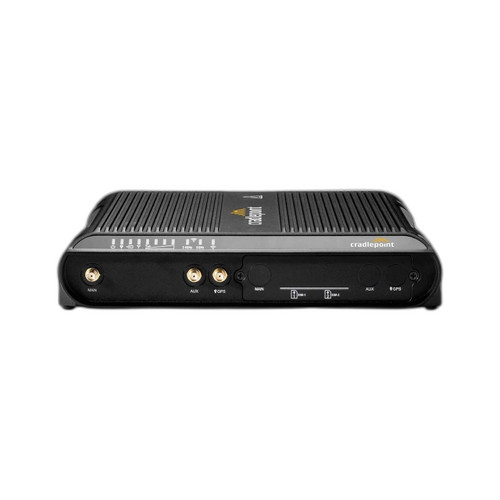
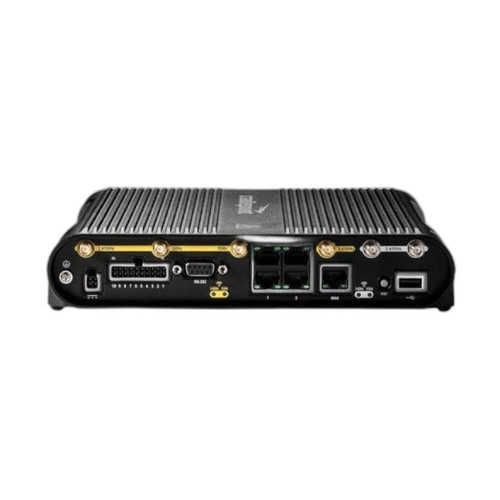
Both the Cradlepoint TAA-MAA5-1700120B-NA and TAA-MA3-1700120B-NNA are TAA-compliant, mobile-class Gigabit switch products from Cradlepoint sharing the same IBR1700-platform power supply, mounting options, and GPS antenna ecosystem. They target in-vehicle, field, and government-procurement deployments where cellular connectivity and rugged portability are primary concerns. This comparison examines the two across connectivity and throughput, management capability and certifications, and environmental/operational fit to help integrators and IT buyers select the right unit for their deployment profile.
In This Guide
- Which unit delivers higher throughput and broader cellular connectivity?
- Which unit offers stronger management features and carrier/compliance certifications?
- Which unit is better suited for harsh operating environments and mobile form factors?
- Which should you choose: the TAA-MAA5-1700120B-NA or the TAA-MA3-1700120B-NNA?
- Side-by-Side Specs
- FAQ
Which unit delivers higher throughput and broader cellular connectivity?
The TAA-MAA5-1700120B-NA specifies a modem throughput of 1.2 Gbps and supports WWAN operating modes including 3G and 4G LTE, paired with IEEE 802.11a/g/n Wi-Fi 5 wireless. Its four LAN ports each operate at Gigabit (1 Gbps full-duplex) per spec.
The TAA-MA3-1700120B-NNA specifies a firewall throughput of 940 Mbps and lists operating modes that include dual-modem, 5G-enabled, and private cellular (CBRS and 4G LTE). It provides 5 GbE ports that are LAN/WAN switchable, offering one additional port with flexible WAN assignment. No Wi-Fi generation is specified for Product B.
On raw throughput figures as stated, Product A's 1.2 Gbps modem throughput exceeds Product B's 940 Mbps firewall throughput, though these metrics measure different functions (cellular modem rate vs. firewall processing rate) and are not directly equivalent. Product B's 5G and dual-modem capability represents a generational connectivity advance over Product A's 3G/4G-only specification.
Which unit offers stronger management features and carrier/compliance certifications?
The TAA-MAA5-1700120B-NA is described as a standard (unmanaged) switch integrated into a mobile broadband router. Its compliance footprint is limited to TAA as specified. No carrier certifications are listed in the provided specs.
The TAA-MA3-1700120B-NNA is explicitly specified as a managed switch, with the managed flag confirmed in the product data. Its certifications include TAA, PTCRB, GCF, AT&T, Verizon, and FirstNet Trusted — a materially broader certification set relevant to public-safety and carrier-dependent deployments. The 3-year TAA-compliant coverage is also called out.
For government, public-safety, or carrier-billed deployments where managed switch capability, FirstNet Trusted status, or specific carrier certifications are required, Product B's specification set is the only one that addresses those requirements. Product A's specs do not reference managed features or carrier certifications.
Which unit is better suited for harsh operating environments and mobile form factors?
The TAA-MAA5-1700120B-NA specifies an integrated switch form factor intended for vehicle-mounted and temporary deployment use cases. Its operating temperature range is not provided in the supplied specifications. Power input is listed as 12V DC, consistent with vehicle power systems.
The TAA-MA3-1700120B-NNA specifies an operating temperature range of -30°C to 70°C (-22°F to 158°F) and is described as having a ruggedized build for mobile and distributed edge sites. Power supply compatibility (12V, same 170716-001 unit) matches Product A.
Product B is the only unit with a specified operating temperature range in these specs. The -30°C lower bound is relevant for cold-climate vehicle deployments or outdoor enclosures. Product A's thermal tolerance is unspecified here, which represents a gap for buyers evaluating extreme-environment suitability. Both share identical mounting options (wall, ceiling, pole, rack) and GPS antenna accessory compatibility.
Which should you choose: the TAA-MAA5-1700120B-NA or the TAA-MA3-1700120B-NNA?
Our take: The TAA-MA3-1700120B-NNA is the stronger choice when managed switching, 5G/dual-modem connectivity, carrier certifications, or a documented operating temperature range are required. Product B carries PTCRB, GCF, AT&T, Verizon, and FirstNet Trusted certifications absent from Product A's specs, supports 5G and CBRS private cellular vs. Product A's 3G/4G ceiling, and is the only unit with a confirmed thermal envelope (-30°C to 70°C). Product A's specified modem throughput of 1.2 Gbps exceeds Product B's listed firewall throughput of 940 Mbps, making it potentially relevant where that specific metric is the decision driver — but note these are different measurement types and not a direct apples-to-apples comparison. Choose Product A for straightforward 4G mobile router-switch integration with Wi-Fi 5; choose Product B for managed, 5G-capable, public-safety or carrier-certified deployments in demanding thermal environments.
Side-by-Side Comparison
Spec-for-spec, from manufacturer data.
| Specification | Cradlepoint TAA-MAA5-1700120B-NA | Cradlepoint TAA-MA3-1700120B-NNA |
|---|---|---|
| Product Type | Switch (integrated mobile router) | 4-Port Managed Switch |
| MPN | TAA-MAA5-1700120B-NA | TAA-MA3-1700120B-NNA |
| TAA Compliant | Yes | Yes |
| Managed | — | Yes |
| LAN Ports | 4 x Gigabit Ethernet | 5 GbE (LAN/WAN switchable) |
| Modem / Firewall Throughput | 1.2 Gbps (modem) | 940 Mbps (firewall) |
| Cellular Generations | 3G, 4G LTE | 4G LTE, 5G, CBRS, Dual-modem |
| Wi-Fi | IEEE 802.11a/g/n (Wi-Fi 5) | — |
| Operating Temperature | — | -30°C to 70°C (-22°F to 158°F) |
| Carrier Certifications | — | PTCRB, GCF, AT&T, Verizon, FirstNet Trusted |
| PoE Standard | PoE++ (802.3bt) | PoE++ (802.3bt) |
| Power Input | 12V DC | 12V DC (170716-001 compatible) |
| Mount Types | Wall; Ceiling; Pole; Rack | Wall; Ceiling; Pole; Rack |
| Cable Category | Mobile | Mobile |
| Color | Black | — |
| Warranty | Manufacturer Warranty | Manufacturer Warranty (3-year TAA coverage noted) |
Frequently Asked Questions
Which should you choose: the TAA-MAA5-1700120B-NA or the TAA-MA3-1700120B-NNA?
The TAA-MA3-1700120B-NNA is the stronger choice when managed switching, 5G/dual-modem connectivity, carrier certifications, or a documented operating temperature range are required. Product B carries PTCRB, GCF, AT&T, Verizon, and FirstNet Trusted certifications absent from Product A's specs, supports 5G and CBRS private cellular vs. Product A's 3G/4G ceiling, and is the only unit with a confirmed thermal envelope (-30°C to 70°C). Product A's specified modem throughput of 1.2 Gbps exceeds Product B's listed firewall throughput of 940 Mbps, making it potentially relevant where that specific metric is the decision driver — but note these are different measurement types and not a direct apples-to-apples comparison. Choose Product A for straightforward 4G mobile router-switch integration with Wi-Fi 5; choose Product B for managed, 5G-capable, public-safety or carrier-certified deployments in demanding thermal environments.
Is the TAA-MAA5-1700120B-NA or TAA-MA3-1700120B-NNA better for FirstNet or public-safety vehicle deployments?
Based on the provided specifications, the TAA-MA3-1700120B-NNA is the appropriate choice. It lists FirstNet Trusted, AT&T, and Verizon certifications, which are typically required for public-safety network access. The TAA-MAA5-1700120B-NA does not list any carrier certifications in its specs.
Which unit supports 5G, and does it matter for my deployment?
Only the TAA-MA3-1700120B-NNA specifies 5G-enabled operating modes along with dual-modem and CBRS private cellular support. The TAA-MAA5-1700120B-NA is specified for 3G and 4G LTE only. If your deployment requires 5G throughput or future-proofing for NR networks, Product B is the only specified option.
Both show PoE++ (802.3bt) — can I power cameras directly from either switch?
Both products list PoE++ (802.3bt) in their specifications, which supports the power levels required by many IP cameras and high-draw devices. However, the total PoE budget, port-level power allocation, and number of PoE-capable ports are not specified in the provided data for either model. Buyers should confirm these figures from the respective datasheets before designing a camera-powering deployment.
More Network Switch Comparisons
- Cradlepoint TAA-MA3-1700120B-NNA vs Cradlepoint MB03-2155-5GB-GA
- Cradlepoint TAA-MA3-1700120B-NNA vs Cradlepoint TAA-TC03-2105-5GB-GA
- Cradlepoint MB03-2155-5GB-GA vs Cradlepoint TAA-TC03-2105-5GB-GA
- Cradlepoint TAA-MAA5-1700120B-NA vs Cradlepoint MB03-2155-5GB-GA
- Cradlepoint MBA3-2155-5GB-GA vs Cradlepoint TAA-MA3-1700120B-NNA
- Cradlepoint MBA3-2155-5GB-GA vs Cradlepoint MB03-2155-5GB-GA
Network Switch Buying Guides
Get a Second Opinion on Your Camera Choice
Share your site layout, coverage goals, and budget. Our team will validate the camera selection, flag anything we would change, and recommend products that match the use case.