
Comelit 909020113 vs Comelit 909020111: Specification Comparison
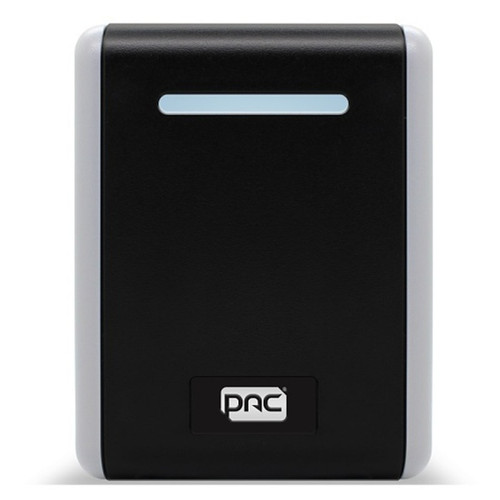
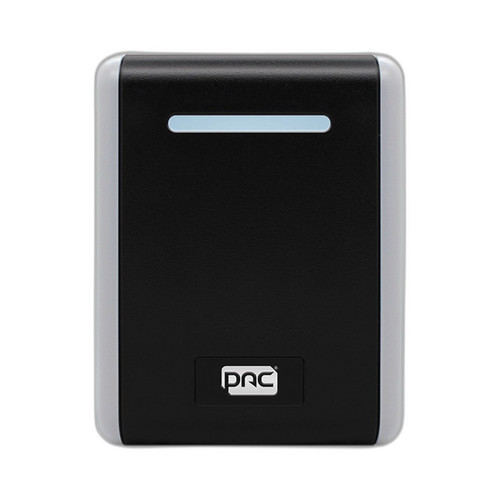
Both the Comelit 909020113 GS3-MT and the 909020111 GS3-LF are wall-mount proximity/RFID readers in the same GS3 housing platform, targeting IP-based access control installations. They share identical physical dimensions, materials, environmental ratings, and audio/visual indicators, making them direct cross-shop candidates for installers choosing between a multi-technology credential reader and a video-integrated proximity reader. The key differentiators are power standard, credential technology breadth, onboard video capability, and downstream controller/VMS compatibility.
In This Guide
- Which reader supports the broadest credential and controller ecosystem?
- What are the power requirements and does either reader include onboard video capture?
- Are both readers suited to the same physical installation environments?
- Which should you choose: the 909020113 or the 909020111?
- Side-by-Side Specs
- FAQ
Which reader supports the broadest credential and controller ecosystem?
The 909020113 GS3-MT is specified as a multi-technology reader handling PAC OPS™, KeyPAC, and third-party Wiegand credentials on a single device. It outputs via the Wiegand protocol, making it compatible with any Wiegand-capable access control panel. It also gains a configurable tamper-line function when paired with PAC 512 controllers, and ships with an integral tamper circuit and mounting plate. This positions it as the flexible choice for mixed-credential environments or migrations where multiple card formats must coexist.
The 909020111 GS3-LF is specified as a proximity reader without multi-technology credential claims in the provided specs. Its VMS compatibility is listed as ONVIF-compliant systems rather than Wiegand protocol compatible systems. No PAC 512 integration or tamper-line configurability is documented for this model. Installers standardized on Wiegand panels should verify whether the GS3-LF outputs Wiegand before specifying it on existing infrastructure.
What are the power requirements and does either reader include onboard video capture?
The 909020113 GS3-MT is specified with PoE (802.3af), requiring a minimum 13W per port as noted in its card bullets. Its power type field is listed as PoE+ (PoE+) but the PoE_Power spec reads 802.3af — installers should verify with the datasheet at /content/product-datasheets/909020113.pdf. No onboard video capture is specified for this model.
The 909020111 GS3-LF is specified with PoE+ (802.3at), which delivers higher wattage over a single cable and eliminates the need for a separate 24V DC run. This model includes 4MP (2560×1440) onboard image capture, tying a visual record to each RFID access event. ONVIF compliance is explicitly noted (Yes), enabling direct integration with ONVIF-compliant VMS platforms. The higher power standard may require switch port upgrades on older PoE (802.3af-only) infrastructure.
Are both readers suited to the same physical installation environments?
Both the 909020113 and 909020111 share an identical physical profile: 89(w) × 115(h) × 28(d) mm, 0.290 kg, UL-rated polycarbonate housing, IP65 weather resistance, audible sounder, and red/green LEDs. Both are rated for indoor and outdoor use without additional covers. Wall-mount form factor is confirmed for both. The 909020113 card bullets reference wash-down and sheltered outdoor suitability; the 909020111 card bullets explicitly call out sheltered outdoor and wash-down installs. For harsh or wet environments either unit meets IP65 minimums, and neither unit requires a separate protective enclosure per the provided specifications.
Which should you choose: the 909020113 or the 909020111?
Our take: The 909020113 GS3-MT is the stronger choice when the installation requires multi-technology credential support or integration with PAC 512 controllers on an existing Wiegand infrastructure. It reads PAC OPS™, KeyPAC, and third-party Wiegand cards on one reader — a meaningful advantage in mixed-format or transitional deployments — and its 802.3af power draw is satisfied by virtually any PoE switch port. By contrast, the 909020111 GS3-LF is the stronger choice when visual verification per access event is a requirement: its 4MP (2560×1440) onboard capture and ONVIF compliance enable VMS-linked audit trails that the 909020113 does not provide. The GS3-LF does require PoE+ (802.3at) ports, which may mean switch upgrades on older infrastructure. Choose the 909020113 for Wiegand/PAC multi-credential sites; choose the 909020111 for video-integrated, ONVIF-based access platforms where per-event image capture is operationally required.
Side-by-Side Comparison
Spec-for-spec, from manufacturer data.
| Specification | Comelit 909020113 | Comelit 909020111 |
|---|---|---|
| Model | GS3-MT (909020113) | GS3-LF (909020111) |
| SKU | 909020113 | 909020111 |
| Credential Technology | PAC OPS™, KeyPAC, third-party Wiegand | Proximity (spec does not list multi-technology) |
| PoE Standard | PoE (802.3af), 13W min per port | PoE+ (802.3at) |
| Power Type (field) | PoE+ | PoE+ |
| Onboard Video Capture | — | 4MP (2560×1440) |
| ONVIF | — | Yes |
| VMS / Protocol Compatibility | Wiegand protocol compatible systems | ONVIF-compliant systems |
| PAC 512 Integration | Yes (tamper-line configurable) | — |
| Tamper Circuit | Yes (integral, with mounting plate) | — |
| Dimensions (mm) | 89(w) × 115(h) × 28(d) | 89(w) × 115(h) × 28(d) |
| Weight | 0.290 kg / 0.639 lb | 0.290 kg / 0.639 lb |
| Housing Material | UL-rated Polycarbonate | UL-rated Polycarbonate |
| Housing Color | White | White |
| Environmental Rating | IP65 – Indoor/Outdoor | IP65 – Indoor/Outdoor |
| Warranty | 2-Year | 2-Year |
Frequently Asked Questions
Which should you choose: the 909020113 or the 909020111?
The 909020113 GS3-MT is the stronger choice when the installation requires multi-technology credential support or integration with PAC 512 controllers on an existing Wiegand infrastructure. It reads PAC OPS™, KeyPAC, and third-party Wiegand cards on one reader — a meaningful advantage in mixed-format or transitional deployments — and its 802.3af power draw is satisfied by virtually any PoE switch port. By contrast, the 909020111 GS3-LF is the stronger choice when visual verification per access event is a requirement: its 4MP (2560×1440) onboard capture and ONVIF compliance enable VMS-linked audit trails that the 909020113 does not provide. The GS3-LF does require PoE+ (802.3at) ports, which may mean switch upgrades on older infrastructure. Choose the 909020113 for Wiegand/PAC multi-credential sites; choose the 909020111 for video-integrated, ONVIF-based access platforms where per-event image capture is operationally required.
Can I use the 909020113 or 909020111 with my existing Wiegand access control panel?
The 909020113 GS3-MT is explicitly specified as Wiegand protocol compatible, supporting PAC OPS™, KeyPAC, and third-party Wiegand credentials. The 909020111 GS3-LF lists ONVIF-compliant systems as its VMS compatibility and does not specify Wiegand output in the provided specs — confirm Wiegand support with the datasheet at /content/product-datasheets/909020111.pdf before specifying it on a Wiegand panel.
Do I need to upgrade my PoE switches to install the 909020111?
Possibly. The 909020111 GS3-LF requires PoE+ (802.3at), which delivers more wattage than standard PoE. If your current switches only support PoE (802.3af), port-level upgrades or a new PoE+ switch will be needed. The 909020113 GS3-MT operates on PoE (802.3af) at a minimum of 13W per port, compatible with a wider base of installed PoE infrastructure.
Which reader is better if I need to capture a photo of each person badging through a door?
The 909020111 GS3-LF is the specified choice for that use case. It includes 4MP (2560×1440) onboard image capture that ties a visual record to each RFID access event, and it is ONVIF-compliant for integration with compatible VMS platforms. The 909020113 GS3-MT has no onboard video or image capture specified in its provided specifications.
More Access Control Reader Comparisons
- HID 5365EGP00 vs Comelit 909020116
- HID 5365EGP00 vs Speco Technologies AP500HA
- HID 5365EGP00 vs Comelit 909020113
- HID 5365EGP00 vs HID 20NKS-00-000000
- HID 5365EGP00 vs HID 40NKS-00-000000
- Comelit 909020116 vs Speco Technologies AP500HA
Access Control Reader Buying Guides
Get a Second Opinion on Your Camera Choice
Share your site layout, coverage goals, and budget. Our team will validate the camera selection, flag anything we would change, and recommend products that match the use case.