
APC by Schneider Electric L630 vs Vertiv GXT5LI-8000MVRT4UXLN: Specification Comparison
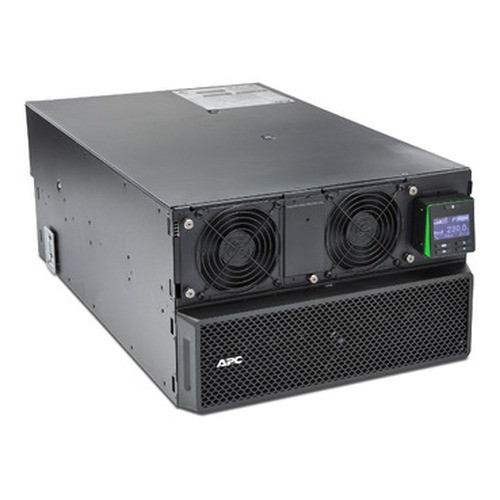
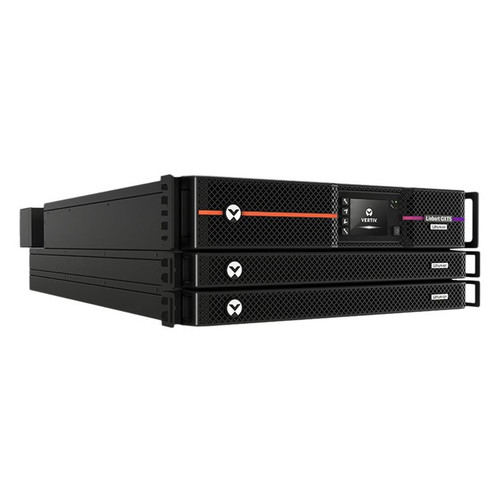
Both the APC Smart-UPS SRT 8000VA RM 208V (SRT8KRMXLT30) and the Vertiv GXT5 LI 8000VA (GXT5LI-8000MVRT4UXLN) are rack-mount, 8000VA-class uninterruptible power supplies aimed at data center and critical-infrastructure deployments. They occupy the same power tier and the same physical form factor, making them direct cross-shop candidates for IT buyers evaluating high-availability power protection for server rooms, edge installations, and security system head-end racks.
In This Guide
- How do the two UPS units compare on power rating, input voltage flexibility, and output configuration?
- How do the units differ in physical footprint, weight, and rack installation requirements?
- What management interfaces and safety certifications does each unit provide?
- Which should you choose: the L630 or the GXT5LI-8000MVRT4UXLN?
- Side-by-Side Specs
- FAQ
How do the two UPS units compare on power rating, input voltage flexibility, and output configuration?
The Vertiv GXT5LI-8000MVRT4UXLN specifies an 8000VA / 8000W power rating with a unity (1.0) power factor, and accepts input from 120V/240V with output configurable to 120V/208V or 120V/240V via user selection, hardwired through L1, L2, N, and G terminals. It also identifies itself explicitly as a Double-Conversion Online UPS topology, which provides zero-transfer-time protection.
The APC SRT8KRMXLT30 specifies a main input voltage of 208V or 230V. Its power rating in VA and watts, its output voltage range, its power factor, and its UPS topology are not stated in the provided specifications. Buyers requiring confirmation of true output wattage, topology (e.g., double-conversion vs. line-interactive), or output receptacle/hardwire configuration for the APC unit must consult the APC datasheet directly.
How do the units differ in physical footprint, weight, and rack installation requirements?
The APC SRT8KRMXLT30 occupies 6U of rack space and has a stated dimension of 10.35 in (26.3 cm) — which corresponds to depth — and weighs 245.99 lb (111.58 kg) bare. Its shipping package measures 26.81 in H × 39.37 in W × 23.62 in L and ships at 291.80 lb (132.36 kg). No width or standalone height dimension is provided in the spec sheet.
The Vertiv GXT5LI-8000MVRT4UXLN states unit dimensions of 6.9 in H × 16.9 in W × 35 in D and weighs 156.3 lb. The rack-unit count is not explicitly stated in the provided specs, though the 6.9 in height corresponds to approximately 4U. The Vertiv unit is substantially lighter than the APC — approximately 89.7 lb (40.7 kg) less — a meaningful consideration for floor-load planning and installation labor, particularly attributable to its lithium-ion battery chemistry.
What management interfaces and safety certifications does each unit provide?
The Vertiv GXT5LI-8000MVRT4UXLN lists its management interfaces explicitly: a serial port, USB, and a network RJ-45 port with RDU101 network card support, enabling remote monitoring and management. It also carries a comprehensive set of safety and compliance listings: UL 1642 (Li-Ion battery cells), UL 1973 (Li-Ion battery pack with UPS), UL 1778, CSA 22.2 No. 107.3, c-UL, FCC Part 15 Class A, and Energy Star 2.0 certification. Its operating temperature range is stated as 32°F to 104°F (0°C to 40°C), with a 10% derating noted at 50°C.
For the APC SRT8KRMXLT30, no management interfaces, safety certifications, compliance listings, or operating temperature range are present in the provided specifications. Buyers requiring this information for IT policy compliance, data center environmental planning, or remote management integration must obtain it from APC documentation.
Which should you choose: the L630 or the GXT5LI-8000MVRT4UXLN?
Our take: The Vertiv GXT5LI-8000MVRT4UXLN is the stronger choice when spec-verified electrical, compliance, and management data are required at point of purchase. Based solely on the provided specifications, the Vertiv unit confirms three critical decision factors the APC specs do not: (1) a unity power factor yielding a true 8000W output vs. an unstated wattage for the APC; (2) a weight of 156.3 lb vs. 245.99 lb for the APC — an 89.7 lb advantage that directly affects floor-load budgets and installation labor; and (3) explicit management interfaces (USB, serial, RJ-45/RDU101) and a full compliance listing (UL 1778, UL 1973, Energy Star 2.0, FCC Part 15 Class A) vs. no stated interfaces or certifications for the APC. The APC unit may be preferred on platforms already standardized on APC EcoStruxure or SmartConnect ecosystems, but those capabilities cannot be confirmed from the specifications provided.
Side-by-Side Comparison
Spec-for-spec, from manufacturer data.
| Specification | APC by Schneider Electric L630 | Vertiv GXT5LI-8000MVRT4UXLN |
|---|---|---|
| Power Rating (VA) | Not specified in provided specs | 8000VA |
| Power Rating (Watts) | Not specified in provided specs | 8000W |
| Power Factor | Not specified in provided specs | 1.0 (unity) |
| UPS Topology | Not specified in provided specs | Double-Conversion Online |
| Input Voltage | 208V / 230V | 120V / 240V |
| Output Voltage | Not specified in provided specs | 120V/208V or 120V/240V (user-configurable) |
| Output Connection | Not specified in provided specs | Hardwired (L1, L2, N, G) |
| Rack Units | 6U | Not explicitly stated (6.9 in H ≈ 4U) |
| Unit Weight | 245.99 lb (111.58 kg) | 156.3 lb |
| Unit Dimensions (H × W × D) | Not fully stated; depth 10.35 in (26.3 cm) | 6.9 in × 16.9 in × 35 in |
| Shipping Weight | 291.80 lb (132.36 kg) | Not specified in provided specs |
| Battery Chemistry | Not specified in provided specs | Lithium-Ion (per UL 1642 / UL 1973 listings) |
| Operating Temperature | Not specified in provided specs | 32°F–104°F (0°C–40°C); 10% derate at 50°C |
| Management Interfaces | Not specified in provided specs | Serial, USB, Network RJ-45 (RDU101) |
| Safety / Compliance Listings | Not specified in provided specs | UL 1642, UL 1973, UL 1778, CSA 22.2 No. 107.3, c-UL, FCC Part 15 Class A, Energy Star 2.0 |
| Color | Black | Not specified in provided specs |
Frequently Asked Questions
Which should you choose: the L630 or the GXT5LI-8000MVRT4UXLN?
The Vertiv GXT5LI-8000MVRT4UXLN is the stronger choice when spec-verified electrical, compliance, and management data are required at point of purchase. Based solely on the provided specifications, the Vertiv unit confirms three critical decision factors the APC specs do not: (1) a unity power factor yielding a true 8000W output vs. an unstated wattage for the APC; (2) a weight of 156.3 lb vs. 245.99 lb for the APC — an 89.7 lb advantage that directly affects floor-load budgets and installation labor; and (3) explicit management interfaces (USB, serial, RJ-45/RDU101) and a full compliance listing (UL 1778, UL 1973, Energy Star 2.0, FCC Part 15 Class A) vs. no stated interfaces or certifications for the APC. The APC unit may be preferred on platforms already standardized on APC EcoStruxure or SmartConnect ecosystems, but those capabilities cannot be confirmed from the specifications provided.
Is the SRT8KRMXLT30 or the GXT5LI-8000MVRT4UXLN lighter and easier to install in a rack?
Based on provided specs, the Vertiv GXT5LI-8000MVRT4UXLN is substantially lighter at 156.3 lb versus 245.99 lb for the APC SRT8KRMXLT30 — a difference of approximately 89.7 lb. This is largely attributable to the Vertiv's lithium-ion battery technology. For installations where floor-load limits or two-person lift requirements are a concern, the Vertiv has a clear advantage per these specs.
Which unit confirms a double-conversion online topology for zero-transfer-time protection?
Only the Vertiv GXT5LI-8000MVRT4UXLN explicitly states Double-Conversion Online UPS topology in the provided specifications. The APC SRT8KRMXLT30's topology is not specified in the data provided. Buyers requiring confirmed double-conversion topology for the APC unit should verify directly with APC documentation before purchasing.
Does either unit include a built-in network management card for remote monitoring?
The Vertiv GXT5LI-8000MVRT4UXLN lists a Network RJ-45 port with RDU101 support, plus USB and serial interfaces, in its provided specifications. No management interfaces are listed in the provided specifications for the APC SRT8KRMXLT30. Whether the APC unit includes or supports a network card cannot be determined from the specs supplied.
More UPS Comparisons
- APC by Schneider Electric SRT8KXLT30 vs Vertiv GXT5LI-8000MVRT4UXLN
- APC by Schneider Electric SRT8KXLT30 vs Vertiv GXT5LI-8000GVRT3UXLN
- APC by Schneider Electric SRT8KXLT30 vs APC by Schneider Electric SRT8KRMXLT-IEC
- APC by Schneider Electric DLRT8KRMXLT vs Vertiv GXT5LI-8000MVRT4UXLN
- APC by Schneider Electric DLRT8KRMXLT vs Vertiv GXT5LI-8000GVRT3UXLN
- APC by Schneider Electric DLRT8KRMXLT vs APC by Schneider Electric SRT8KRMXLT-IEC
UPS Buying Guides
Get a Second Opinion on Your Camera Choice
Share your site layout, coverage goals, and budget. Our team will validate the camera selection, flag anything we would change, and recommend products that match the use case.