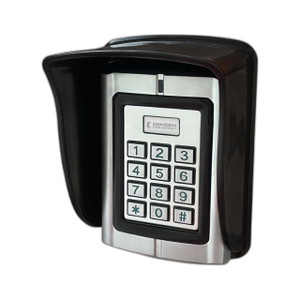
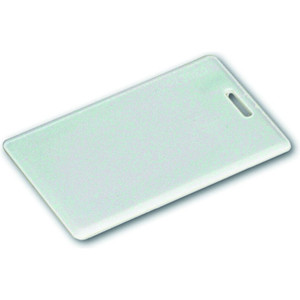
Camden CV-CSA 125kHz HID Proximity Cards
The Camden CV-CSA is a clamshell-format proximity card credential designed for 125kHz access control systems. Each package ships 10 cards, making it the standard bulk option for initial deployments, system expansion, or replacement inventory across multi-door facilities. These credentials encode HID format and work with any proximity reader supporting 125kHz frequency and standard Wiegand or OSDP communication protocols.
Key Features
- 125kHz HID Format: Industry-standard proximity encoding — compatible with the majority of installed access control infrastructure (HID ProxPro, Salto, Camden readers, and legacy systems).
- Clamshell Packaging: Rigid plastic enclosure protects card during shipment and storage, reducing damage during inventory handling and distribution to end users.
- OSDP and Wiegand Support: Integrates with both OSDP (modern encrypted protocol) and Wiegand (legacy serial protocol) readers — no encoding incompatibility surprises on site.
- 10-Card Bulk Pack: Single SKU covers 10 credentials, simplifying procurement and reducing per-unit overhead versus individual card orders.
- 16VDC Powered Readers: Operates with standard 16VDC-powered access control infrastructure, no special power requirements for card activation.
- 3-Year Manufacturer Warranty: Factory-new credentials with full warranty coverage — no grey-market, no parallel imports.
- Wall and Rack Mount Reader Compatibility: Credentials work with both wall-mounted and rack-mount proximity readers, enabling flexible reader placement across facility entry points.
Proximity card credentials remain the workhorse of access control deployments in mid-market and enterprise facilities. The 125kHz frequency and HID format have been the de facto standard for 15+ years, meaning replacement inventory stays backward-compatible with existing reader infrastructure. The clamshell format is not a cost-cutting measure — it's a logistics feature that prevents card warping and encoding errors before deployment. When you're provisioning 100+ credentials across a multi-building campus, the percentage of physical damage drops measurably.
Bulk card orders are typically driven by one of three scenarios: initial system rollout (engineering phases often spec 20-30% overstock to account for lost cards, damaged readers, and staff turnover during the first 90 days), scheduled credential replacement (facilities rotate cards on a 3-5 year cycle), or post-acquisition integration (when a site converts from a legacy badge system, you need rapid provisioning of new credentials across all entry points). The CV-CSA 10-pack fits the second and third scenarios efficiently. For first-deployment overstock, confirm reader count and staff turnover assumptions with the facility manager before specifying quantity.
Camden proximity cards are encoded during manufacturing — you cannot reprogram them on site. Encoding requests are handled by the manufacturer or authorized integrators before shipment. Confirm encoding specifications (facility code, ID range, format variant) with Camden or your integrator before placing the order. Swapping unencoded blanks after the fact is not an option. Storage conditions are standard: keep cards in the original clamshell packaging, away from direct sunlight and heat sources above 50°C. A box of 10 stored in a climate-controlled office will last indefinitely; a box left in a sun-exposed van will see potential magnetic stripe degradation within 6-12 months (if the card carries a hybrid magnetic stripe).
OSDP and Wiegand readers both support CV-CSA credentials, but OSDP is the modern standard and offers encrypted communication, reducing spoofing and cloning risk. If you're specifying readers for new installations, default to OSDP-capable equipment. For retrofits on existing Wiegand reader infrastructure, CV-CSA cards will work without modification — Wiegand is a physical serial protocol that doesn't care about the card encoding standard as long as the reader can decode 125kHz. Test a sample card against a representative reader in your test lab before committing to large bulk orders.
Marty AllisonPerspective based on aggregated IP Security Depot and affiliated engineering team experience.
We've seen proximity card credentials power tens of thousands of access control deployments across office buildings, manufacturing sites, data centers, and university campuses. The 125kHz HID format is the lingua franca of the industry — it's not cutting-edge, but it's stable, predictable, and interoperable in ways that newer formats (13.56MHz, mobile-based systems) still struggle to match. The CV-CSA sits in that sweet spot: it's a commodity product that should work, be economical, and ship quickly. The clamshell packaging and 10-pack sizing is smart for integrators who spec cards in volume. On campus environments with 5,000+ badge holders, you're ordering CV-CSA in bulk four times a year, and the single SKU discipline keeps inventory simple.
The critical gotcha we've seen: encoding. Many integrators treat credential encoding as a post-install task — they spec cards and readers separately, plan to encode on site, and then hit a bottleneck when the encoding software doesn't cooperate with the VMS or the reader firmware doesn't match the card format variant. Camden cards are pre-encoded at the factory. If you order CV-CSA without confirming facility codes and ID ranges with the facility manager and the access control system admin, you'll end up with 10 cards that don't match the site's existing numbering scheme. This is not a technical failure — it's a planning failure. Recommend: (1) pull the facility code from one existing card on site using a card reader/encoder, (2) confirm the ID range allocation with the facility admin, (3) submit encoding specs to Camden or an authorized integrator before order confirmation. Takes 20 minutes, saves embarrassment on install day.
Technical Highlights:
- 125kHz Frequency: Established standard since 2005, supported by >90% of installed proximity reader base globally. No frequency compatibility surprises across system integrations or future reader replacements.
- HID Encoding Format: Industry-standard credential format — HID ProxPro readers, legacy Honeywell readers, and modern OSDP hardware all decode HID-format cards without variant confusion. Swapping CV-CSA into an existing system is lower risk than newer card types.
- OSDP and Wiegand Dual Support: Readers using either protocol can read CV-CSA credentials — no encoding mismatch. Wiegand is legacy but still prevalent in older installations; OSDP is the modern best practice for new deployments. Choose your reader, credentials will work both ways.
- Clamshell Format: Rigid plastic shell prevents card warping during storage and transit. Cards stored loose in a box degrade faster in high-humidity environments; clamshell keeps the credential flat and readable longer, reducing field replacement calls 12-18 months post-deployment.
- 16VDC Powered Readers: Standard power supply voltage across access control infrastructure. No specialized reader power requirements — any 16VDC+ reader will energize and read CV-CSA cards without auxiliary equipment.
Deployment Considerations:
- Encoding is locked at manufacturing — order with confirmed facility codes and ID ranges. Card encoding errors cause install delays; confirm specs in writing before placing the order, not after.
- 125kHz cards are not waterproof and degrade in direct sunlight or heat >50°C. Keep inventory in climate-controlled storage and original clamshell packaging. Outdoor or high-temperature facilities (manufacturing floors, data center loading docks) should store cards indoors until distribution.
- Wiegand readers (legacy protocol) are still functional but introduce unencrypted credential transmission. If upgrading reader infrastructure, prioritize OSDP readers for new deployments — encrypted protocol reduces cloning and spoofing risk. Existing CV-CSA cards work with OSDP readers without re-encoding.
- Test a sample card against a representative reader in your integration lab before committing to large bulk orders. Reader firmware mismatches or legacy format variants can cause read failures on specific card batches — catch this in QA, not at the end-user site.
- 10-card pack is economical for ongoing inventory replenishment but may be undersized for initial facility rollouts (100+ credentials). Confirm deployment size with the facility manager; bulk orders may justify custom pack quantities (25, 50) through Camden direct channels.
The CV-CSA is the right choice for integrators maintaining or expanding existing 125kHz HID infrastructure, particularly in retrofit or campus-wide credential replacement scenarios. If you're designing a new access control system from scratch, evaluate modern alternatives (13.56MHz, mobile credentials); for keeping legacy sites current and adding cards to proven reader infrastructure, the CV-CSA is cost-effective and reliable. See the Camden catalog for additional credential formats and reader options.