
Best Healthcare Security Camera Systems
Healthcare surveillance operates under more privacy constraints than any other commercial category. HIPAA-aligned placement, patient-privacy expectations at reception, DEA-compliance at pharmacy, and staff-safety in emergency areas all shape what the camera system looks like. This guide walks through healthcare camera systems from small medical offices to outpatient centers and urgent care.
Bottom Line
Medical office and clinic systems center on discreet indoor domes in reception and corridor positions, 4K AI at pharmacy and medication cabinet, outdoor coverage for ambulance bay and staff entry, and VMS with role-based access aligned to HIPAA minimum-necessary principle. Never put cameras inside exam rooms or treatment spaces.
Our team works with medical offices, clinics, and outpatient centers on HIPAA-aware surveillance.
Best For
- Medical office operators (primary care, specialty clinics)
- Outpatient surgical and imaging centers
- Urgent care and walk-in clinic operators
- Dental practices with in-office pharmacies
- Healthcare facility managers responding to incident or compliance audits
Not For
- Inpatient hospital systems (enterprise scale; requires dedicated design)
- Residential or assisted-living facilities (different regulatory framework)
- Retail pharmacy (different compliance model)
In This Guide
Healthcare-Specific Priorities
HIPAA-aware placement. No cameras inside exam rooms, treatment rooms, or any space where patient health information is visible or discussed.
Patient-privacy at reception. Reception-area cameras cover the check-in workflow but should not point at the patient-sign-in detail or the insurance-card handling.
Pharmacy and medication cabinet. DEA compliance requires documented coverage of controlled-substance storage and dispensing. 4K AI recommended.
Emergency department and ambulance bay. Patient intake, ambulance arrival, and staff-safety during violent-patient events all require coverage.
Staff safety areas. Break rooms, locker rooms, parking lots — with employee disclosure and appropriate exclusions.
Access control integration. Restricted areas (server rooms, controlled-substance rooms, back-of-house) tie camera events to badge access for full audit trail.
Systems by Facility Type
Small medical office (under 5 providers): 8-14 cameras. 2-3 reception/lobby, 4-6 corridor, 1-2 pharmacy/med room, 1-2 back-of-house, 1-2 entry/parking. $8,000-$15,000 all-in.
Specialty clinic or medical office (5-15 providers): 14-24 cameras. Scales up across multiple corridors and examination-floor entries. $16,000-$30,000 all-in.
Outpatient center / surgical clinic: 20-40 cameras. Operating suite corridor coverage (not inside suites), recovery-area entries, pharmacy, staff safety. $30,000-$60,000 all-in.
Urgent care / walk-in clinic: 12-20 cameras. High patient volume, emergency-like workflows, triage area. $15,000-$30,000 all-in.
Multi-location medical group: Per-site scaled to above ranges with enterprise VMS federation.
HIPAA and Patient Privacy
HIPAA does not prohibit surveillance cameras in healthcare facilities, but it does govern how footage is treated. Key principles:
Footage containing patient images is PHI. Camera recordings that show identifiable patients are protected health information. Storage, access, and disclosure all must follow HIPAA safeguards.
Minimum necessary principle. Only staff with a documented need should access camera footage. Role-based VMS access satisfies this; shared admin accounts do not.
Audit trail. Every access, playback, and export is logged with user identity. Required for HIPAA audit response.
Business Associate Agreement (BAA). Cloud VMS vendors that receive PHI footage must sign a BAA. Most enterprise VMS vendors (Milestone, Genetec) will sign; some consumer cloud services will not.
Exam rooms are not camera zones. Near-universal policy. Covering the exam-room entry from the corridor is acceptable; inside the room is not.
Staff education. Employees who handle camera footage need HIPAA training specific to surveillance data.
Pharmacy and Medication Cabinet Coverage
Controlled-substance storage areas have DEA documentation requirements that cameras help satisfy:
Narcotic cabinet / drug safe: One dedicated camera covering the safe door and dispensing area. 4K AI for detailed documentation. Retention 90+ days for DEA audit response.
Pharmacy workstation: Camera covering the dispensing workflow, medication transfer, and prescription-verification process.
Medication cart staging: If mobile medication carts stage in a specific area, that area needs coverage.
Access-controlled entry to pharmacy: Camera at the entry tied to access-control events.
Retention: 90 days minimum for DEA-subject areas; some operators keep 180 days or longer.
Recommended Healthcare Camera Systems
Six picks matched to healthcare positions with HIPAA-aware and DEA-compliant defaults.
Hanwha
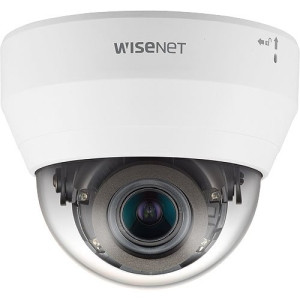
Hanwha QND-7082R 4MP Indoor IR Dome Camera
QND-7082R
4MP discreet indoor dome for reception, corridor, waiting areas.
Hanwha
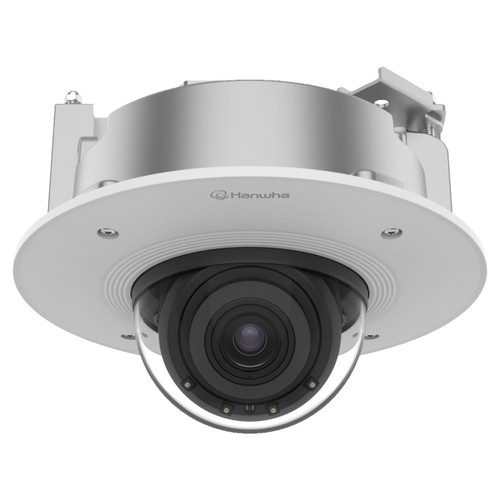
Hanwha PND-A9081RF 4K Indoor AI IR Dome IP Camera
PND-A9081RF
4K AI for pharmacy and controlled-substance coverage with DEA-grade detail.
Hanwha
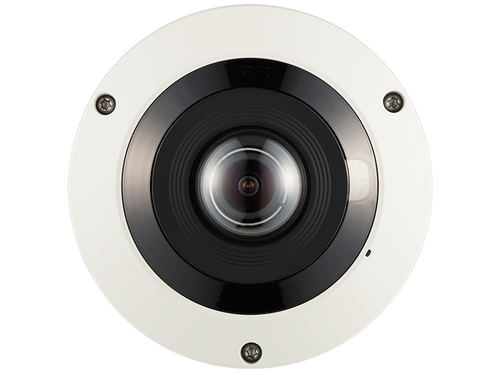
Hanwha PNF-9010RV 12MP 360˚ Fisheye Camera
PNF-9010RV
12MP fisheye for large waiting rooms or conference rooms.
Axis
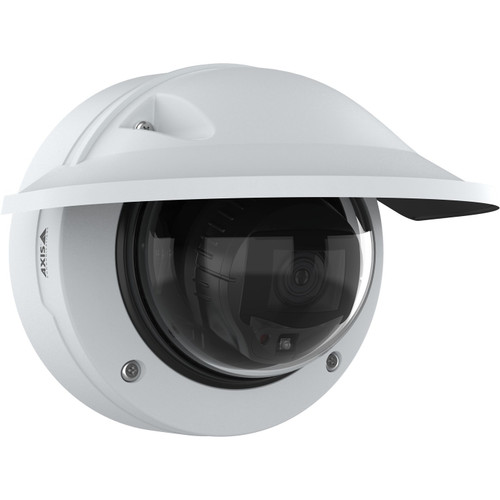
Axis P3277-LVE 5MP Outdoor AI IR Dome Camera - 03153-001
03153-001
Axis P3277-LVE for main entry, ambulance bay, and staff entry.
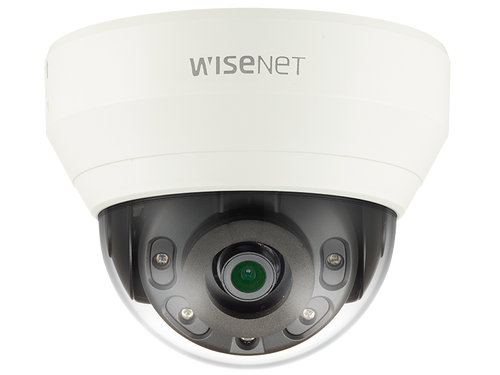
Hanwha
Hanwha QND-6010R 2MP Network IR Dome Camera
QND-6010R
Budget 2MP for staff-only back-of-house and storage.
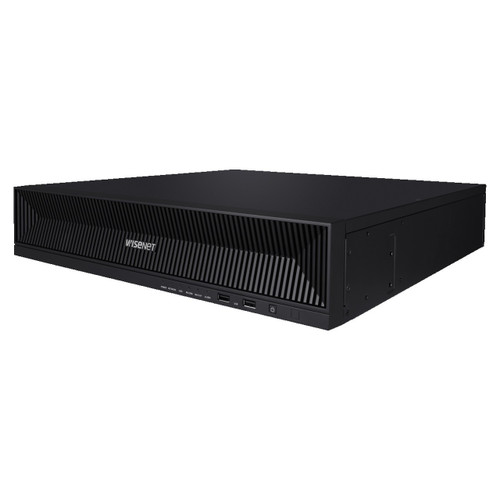
Hanwha
Hanwha XRN-1620B2 16-Channel 4K NVR
XRN-1620B2
16-channel 4K NVR for 14-24 camera clinic deployments.
Also Consider
Outdoor coverage and larger NVR options.
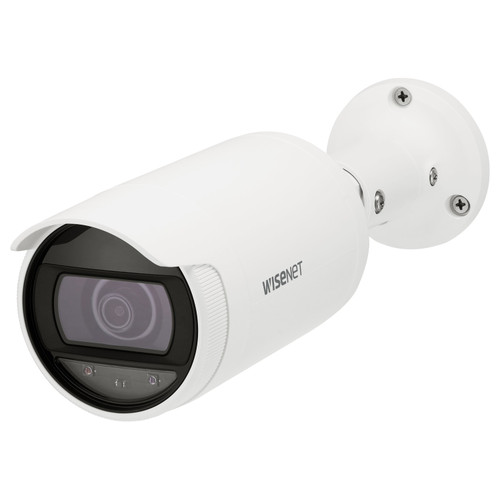
Hanwha
Hanwha ANO-L7012R 4MP Wide-Angle Low Light Outdoor Bullet IP Camera
ANO-L7012R
Staff parking and perimeter coverage.
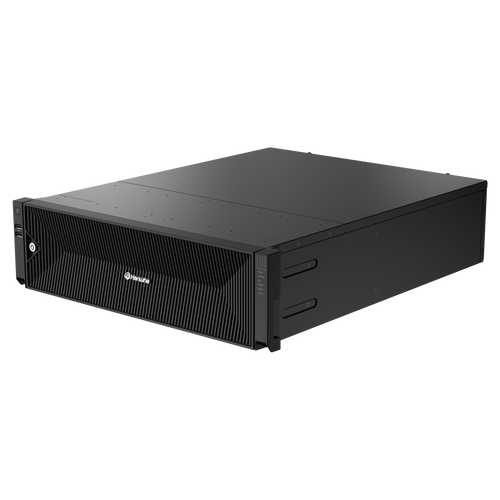
Hanwha
Hanwha XRN-3220B4 32-Channel 8K Network Video Recorder
XRN-3220B4
32-channel for outpatient centers and larger clinics.
Frequently Asked Questions
Can I put cameras in exam rooms?
No. Near-universal policy; exam room interior cameras create significant HIPAA and patient-trust issues. Cover the exam-room corridor entry only.
Do healthcare cameras need to be HIPAA-compliant?
The cameras themselves are not HIPAA-regulated, but footage containing patient images is PHI. Role-based VMS access, audit trails, and appropriate vendor BAAs are the compliance requirements.
How should we cover the pharmacy?
One 4K AI camera at the medication cabinet / drug safe position. One camera at the pharmacy entry tied to access control. Retention 90+ days for DEA audit readiness.
Do we need cameras at the ambulance bay?
Yes for emergency-department or urgent-care facilities. Covers patient intake, staff-safety during violent events, and ambulance-arrival documentation.
What retention for healthcare footage?
30 days for general common-area footage; 90+ days for DEA-subject areas (pharmacy, controlled-substance rooms). Some operators standardize on 90 days everywhere for simplicity.
No Bots, Just Experts
No bots, just experts. Free pre-sales support for every customer — product questions, BOM quotes, compatibility checks, price confirmation — typically answered within one business day. Paid services available like full system design, remote installation, and more. Got a list of products? Free BOM quote. Need help figuring out what to buy? Buy engineering time by the hour — $175/hour, qty 1 = 1 hour. Tell us about your project, we scope how many hours it needs, you purchase that quantity. Hardware buyers get up to one hour ($175) credited back against their order as a thank-you.