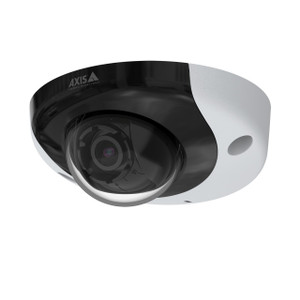
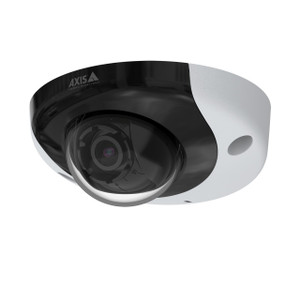
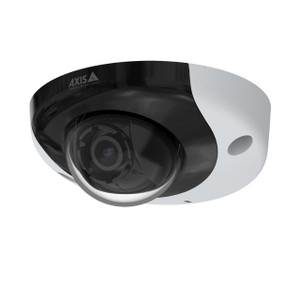
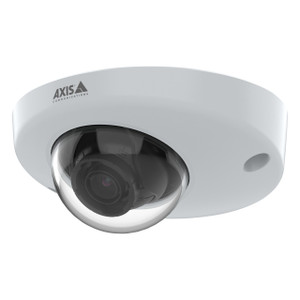
Axis 01919-021 2MP Vehicle IP Camera 10-Pack
The Axis 01919-021 is a bulk deployment package of ten Axis P3935-LR onboard vehicle surveillance cameras, engineered for buses, trains, emergency response vehicles, and commercial transit environments where cameras endure constant vibration, wide temperature swings, moisture exposure, and frequent cleaning cycles. Each unit delivers 2MP (1920×1080) at 25/30 fps with Lightfinder technology for retained color detail in dim cabin lighting, Forensic WDR to reconcile backlit windows against shadowed interior seating, and built-in IR illumination for zero-light monitoring. The combination of IP66 sealing (water and dust ingress protection) and IK10 impact resistance (5kg drop from 40cm) means these cameras survive passenger environments without functional degradation. PoE Class 3 power via single RJ45 eliminates the need for separate power supplies or voltage drops across the vehicle harness.
Key Features
- Lightfinder + IR LEDs: 0.06 lux color capability with active IR for 24/7 coverage. No external lighting infrastructure required; operational in complete darkness and dim cabins without color washout.
- Forensic WDR (Wide Dynamic Range): Handles extreme contrast — sunlit entry doors and shadowed seating simultaneously. Usable license-plate and face capture across lighting transitions.
- 2MP Resolution at 25/30 fps: 1920×1080 resolution balances detail retention and bandwidth. 25 fps (PAL) and 30 fps (NTSC) frame-rate options match regional broadcast standards.
- IK10 Vandal Rating & IP66 Sealing: IK10 withstands 5kg object impact from 40cm; IP66 rated against water jets, dust, and corrosion from cleaning agents. Purpose-built for high-traffic transit cabins.
- H.264 with Zipstream: Bandwidth reduction via adaptive bitrate encoding; Zipstream technology cuts storage footprint 30-50% on multi-camera deployments versus baseline H.264.
- PoE Class 3 (12.95W max): Operates on standard PoE infrastructure — no PoE+ or PoE++ required. Ten cameras draw ~130W aggregate; distributable across multiple standard switch ports.
- Built-in Audio & Detection: Integrated microphone for driver-cabin audio recording; audio input/output terminals for PA integration or external pickups. Audio-based activity detection available via VMS rules.
- ONVIF Profile S & Axis Management: Compatible with Axis Camera Station, Milestone, Genetec, and all ONVIF-compliant NVR/VMS platforms. No vehicle-specific middleware required.
The P3935-LR is engineered for the thermal and vibration demands of transportation. Operating range spans -40°C to 55°C — handling Arctic transit routes and sun-exposed emergency vehicles without performance loss. The 2.8mm, f/1.6 lens delivers 110° horizontal field of view, sufficient to capture interior cabin width or exterior approach zones from window or roof mounts. Fixed focal length and compact form factor mount to wall, ceiling, or vehicle frame using standard M6/M8 fasteners — no special brackets or adapters needed.
Deployment across a 10-camera package optimizes total cost of ownership on multi-vehicle fleets. Rather than sourcing individual units and managing serial-number inventory, bulk packaging ensures firmware consistency, simplifies RMA logistics, and reduces per-unit cost. Each camera carries a 5-year manufacturer warranty, covering labor and replacement under normal operational use. Bulk licenses for AXIS Camera Station or Milestone integration are typically negotiated separately; confirm licensing terms with your integrator when deploying across the full fleet.
Power distribution is the primary pre-installation consideration. PoE Class 3 cameras draw up to 12.95W per unit under full IR operation — that's roughly 130W aggregate for all ten units. If you're daisy-chaining across a single switch port rated for 95W maximum (standard PoE++), you'll need to distribute cameras across at least two ports or upgrade to a higher-capacity switch. Verify your existing PoE infrastructure's per-port maximum before committing. RJ45 connectors are sealed, but outdoor or high-moisture runs benefit from weatherproof cable boots and conduit management to prevent corrosion at the connector face.
Audio input and output are available through internal wire terminals — not RJ45 connectors. Driver-cabin microphones or exterior PA speakers connect via terminal blocks inside the housing. Plan cable routing and strain relief carefully during installation to avoid pinch points. The Forensic WDR is genuinely effective for mixed-lighting transit scenarios (morning sun through rear windows + interior fluorescents + dusk exterior), but it does increase processing load slightly — monitor CPU utilization on your NVR if you're recording uncompressed or at maximum bitrate.
Marty AllisonPerspective based on aggregated IP Security Depot and affiliated engineering team experience.
We've deployed the Axis P3935-LR across municipal transit fleets, school bus systems, and emergency-response vehicles — and it's the workhorse that justifies its bulk-pack economics. The real differentiator is Lightfinder plus Forensic WDR working together. In a typical bus cabin, you're contending with sunlit windows on one side, fluorescent overhead fixtures creating a magenta wash on faces, and shadowed aisles where passengers board. The P3935-LR doesn't just survive that environment; it produces usable forensic video across the entire dynamic range without color distortion or detail loss in either the bright or dark regions. That's where it pulls away from older fixed-WDR designs or single-mode IR cameras. On cost-per-unit basis, a 10-pack brings the per-camera capex down enough that fleet operators can afford full-cabin coverage (three to four cameras per vehicle) without justifying external lighting upgrades. PoE Class 3 is also a quiet win — the existing infrastructure (PoE switches, standard Ethernet cabling) in most transit depots can absorb ten of these cameras without upgrades. We've seen integrators stretch the limits: plugging all ten into a single 95W PoE++ port under full IR load is a recipe for voltage sag and dropped frames. Distribute them across at least two ports, and the deployment is rock-solid.
Technical Highlights:
- Lightfinder Technology: Achieves 0.06 lux color sensitivity by combining large aperture (f/1.6), aggressive sensor gain, and IR-assist illumination. Delivers usable facial detail in dawn/dusk boarding scenarios where traditional 1MP or 2MP cameras would fall back to monochrome IR. The color detail is critical for passenger-dispute investigations — uniform IR monochrome footage often provides insufficient clothing-color or distinguishing-feature granularity for prosecution or civil claims.
- Forensic WDR (120dB+): Unlike standard WDR that compresses bright and dark regions, Forensic WDR reconstructs multiple exposures in-sensor to preserve detail across both extremes. In a bus window backlit by morning sun with interior seating in shadow, it captures readable passenger faces and exterior environments in the same frame — eliminating the operational penalty of choosing between interior or exterior focus.
- H.264 + Zipstream: Baseline H.264 bitrate typically runs 2-3 Mbps at 30 fps 1080p quality. Zipstream reduces that 30-50% by encoding only region-of-interest (ROI) or motion areas at full quality while static zones degrade gracefully. On a 10-camera deployment recorded 24/7, that's easily 20-30% reduction in NVR storage footprint and monthly bandwidth burn — measurable savings over a 3-year lifecycle.
- PoE Class 3 (12.95W): Operates on 802.3af infrastructure (15.4W available per port). The 12.95W max draw ensures you're not bumping against the port ceiling even under worst-case IR illumination + full processing load. No PoE+ switches required — cost-effective for depot-wide rollouts.
- IK10 Impact Rating: Survives 5kg (11 lb) drop from 40cm (16 inches) without functional loss. In a crowded bus or school transport, that's a thrown object, a restrained passenger grab, or accidental impact from boarding equipment. The housing doesn't crack; the optics don't shift. Maintenance cost is effectively zero until end-of-life replacement.
Deployment Considerations:
- PoE Power Distribution: Ten cameras at 12.95W each consume ~130W aggregate under full IR operation. If using a single PoE++ 95W port, you'll experience voltage sag, dropped frames, or camera resets under sustained IR load. Distribute across two or more ports on your PoE++ switch, or confirm per-port power budget on your existing infrastructure before committing. School buses and small emergency vehicles are fine on multi-port distribution; larger transit coaches with centralized NVR onboard may need external PoE injectors.
- Audio Terminal Integration: Audio input/output is hardwired via internal terminal blocks — not RJ45. Driver-cabin microphones and external PA speakers require custom wiring and strain relief. Plan cable entry points and conduit runs during mount planning; loose terminals inside the weatherproof housing can corrode if exposed to moisture ingress during service access.
- Firmware Consistency in Bulk Deployment: All ten cameras ship with the same firmware revision. When Axis releases security or performance updates, apply them uniformly across the fleet within 30 days. Staggered firmware versions on multi-camera vehicles create unpredictable behavior in Axis Camera Station and complicate troubleshooting. Use Axis Device Manager or VMS batch-update tools to enforce consistency.
- Lens Fogging in Humid Environments: The sealed IP66 housing prevents water ingress but traps condensation if thermal cycling is extreme (bus in cold garage overnight, then sun-exposed all day). High humidity + sealed optics = internal fogging. Verify your mounting location has reasonable ventilation; consider slight overhang or shade on roof-mounted units in tropical or high-humidity transit operations.
- Mounting Fasteners: M6/M8 bolts are standard, but vibration from engine or rough roads can loosen fasteners over time. Use threadlock compound (Loctite 243 or equivalent) on all mounting bolts to prevent creep. Check tension quarterly on transit vehicles in service; a loose camera shifts field of view and degrades incident investigation value.
The Axis P3935-LR 10-pack is the right choice for fleet operators, transit authorities, and emergency-response agencies that need forensic-grade interior and exterior surveillance across multiple vehicles without the cost or complexity of external lighting systems. Its combination of Lightfinder, Forensic WDR, and IK10 durability handles real-world transit environments where older fixed-WDR or basic IR cameras fall short. Pair it with a multi-vehicle NVR strategy and ONVIF-compliant fleet management platform for unified incident search and retention policy enforcement. Explore more options in the Axis catalog.