
Showing Results for Monitors & Displays
-
Save $141.01
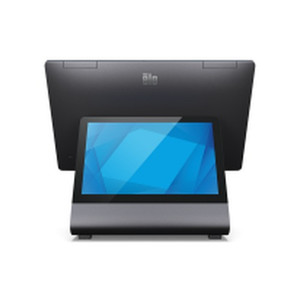
ELO Touch 15.6" Full HD - E984463
15.6-inch all-in-one POS terminal designed for retail, hospitality, and quick-service restaurant environments
- 1920×1080 PCAP 10-point touch delivers precise input for transaction and workflow screens.
- Intel Pentium with 8GB RAM sustains 50–150 transactions/hour without application lag.
- 128GB SSD eliminates mechanical drive failure risk in 24/7 POS deployments.
Usually Ships in 2-3 Weeks Free shipping over $499$2,126.00 $1,984.99 Save $141.01 -
Save $389.01

ELO Touch 15.6" I-Series 3 AiO - E426164
Compact all-in-one point-of-sale system engineered for retail, hospitality, and quick-service environments where space and integration matter
- 1920x1080 PCAP 10-touch display responds reliably to gloved hands and wet fingers.
- Intel Core i7 with 16GB RAM and 256GB SSD handles multi-threaded POS workloads 24/7.
- Zero-bezel, antiglare design simplifies surface sanitization in food-service deployments.
Usually Ships in 2-3 Weeks Free shipping over $499$4,524.00 $4,134.99 Save $389.01 -
Save $131.01
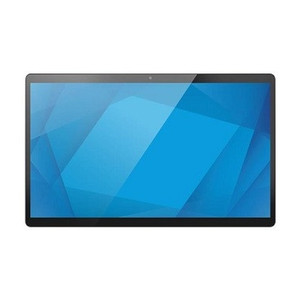
ELO Touch 15.6" I-Series Slate - E983676
15.6-inch compact touchscreen terminal designed for retail point-of-sale, hospitality, and mobile cart deployments
- 1920×1080 Full HD panel ensures clear transaction and menu readability at arm's reach.
- Projected capacitive 10-touch input tolerates gloves and wet hands for reliable field use.
- Bluetooth connectivity and PoE support simplify cable management in cart or counter deployments.
Usually Ships in 2-3 Weeks Free shipping over $499$1,539.00 $1,407.99 Save $131.01 -
Save $72.01

ELO Touch 1502LM 15.6" Medical LCD - E542808
15.6-inch Full HD medical-grade touch display designed for clinical workstations, bedside terminals, and point-of-care applications where hygiene and
- 1920×1080 Full HD panel delivers sharp EMR and imaging detail at close range.
- 10-point PCAP touch supports gloved operation with no calibration drift over time.
- USB-C, HDMI, and VGA inputs enable rapid integration with legacy and modern devices.
Usually Ships in 2-3 Weeks Free shipping over $499$933.00 $860.99 Save $72.01 -
Save $68.01

ELO Touch 1502LM 15.6" Medical LCD - E967255
15.6-inch medical-grade LCD touchscreen designed for clinical point-of-care, patient intake, and high-reliability healthcare environments
- Full HD 1920×1080 anti-glare panel sustains image clarity during extended clinical shifts.
- Projected capacitive 10-touch layer supports gloved operation and frequent sanitizer cleaning.
- USB-C, HDMI, and VGA inputs enable single-cable deployment across legacy and modern hardware.
Usually Ships in 2-3 Weeks Free shipping over $499$864.00 $795.99 Save $68.01 -
Save $0.01

ELO Touch 1537L Pcap/itouch Flush-mount Bezel KIT - E139556
Flush-mount bezel kit engineered for ELO Touch 1537L Pcap and iTouch displays
- Mounts 1537L Pcap/iTouch displays flush with panels, eliminating protrusion snag hazards.
- Enables seamless integration with kiosk cabinetry and wall finishes in commercial deployments.
- Compatible exclusively with 1537L Pcap/iTouch models — verify display model before ordering.
Usually Ships in 2-3 Weeks Free shipping over $499$174.00 $173.99 Save $0.01 -
Save $49.01
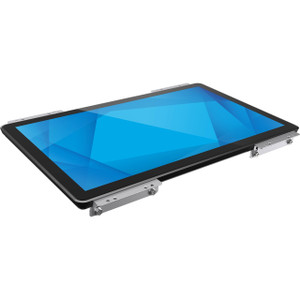
ELO Touch 1564L 15.6" FHD - E971256
15.6-inch FHD open-frame touch display designed for retail point-of-sale terminals, self-service kiosks, and industrial control interfaces
- 1920×1080 FHD on a 15.6" panel delivers sharp POS and kiosk UI rendering.
- Optically bonded LCD eliminates air gaps, cutting glare in high-ambient-light installs.
- 10-point PCAP touch operates with gloves and connects via USB for simple integration.
Usually Ships in 2-3 Weeks Free shipping over $499$638.00 $588.99 Save $49.01 -
Save $38.01
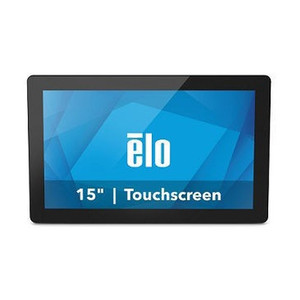
ELO Touch 1594L 15.6-inch wide LCD (LED Backlight) - E131375
15.6-inch open-frame LCD monitor with integrated 10-point projected capacitive touchscreen, designed for embedded kiosk, self-service terminal, and
- 1920×1080 IPS panel delivers sharp, wide-angle visibility for kiosk and POS UIs.
- 10-point PCAP touch over USB eliminates driver complexity in embedded deployments.
- HDMI, VGA, and DisplayPort inputs support legacy and modern signal sources natively.
Usually Ships in 2-3 Weeks Free shipping over $499$583.00 $544.99 Save $38.01 -
Save $0.01

ELO Touch 1739L Pcap/itouch Flush-mount Bezel KIT - E129564
Flush-mount bezel kit designed specifically for the ELO 1739L Pcap/iTouch display
- Enables flush-mount integration of the 1739L into walls, panels, or custom enclosures.
- Eliminates frame protrusion for clean, gap-free installs in cabinetry or kiosk builds.
- Compatible exclusively with 1739L Pcap/iTouch variants — verify model before ordering.
Usually Ships in 2-3 Weeks Free shipping over $499$174.00 $173.99 Save $0.01 -
Save $0.01
ELO Touch 19 Inch Desktop Stand - E808963
White replacement desktop stand designed to provide a stable mounting solution for 19-inch ELO 03-SERIES touchcomputers
- OEM replacement stand restores original stability to ELO 19" 03-Series terminals.
- White powder-coated finish suits retail POS and hospitality deployment environments.
- Direct factory-new unit simplifies field swaps with full US warranty coverage.
Usually Ships in 2-3 Weeks Free shipping over $499$175.00 $174.99 Save $0.01 -
Save $11.01
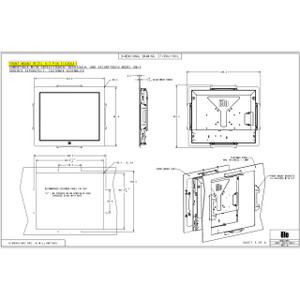
ELO Touch 1937L 1939L Front-Mount Bezel Kit - E163604
Front-mount bezel kit designed for ELO Touch 1937L and 1939L interactive displays
- Enables flush, recessed integration of 1937L/1939L displays into kiosk and control-room frames.
- Factory-assembled clips and retention hardware eliminate post-install calibration steps.
- Compatible exclusively with 1937L and 1939L series — not interchangeable with other ELO families.
Usually Ships in 2-3 Weeks Free shipping over $499$184.00 $172.99 Save $11.01 -
Save $0.01

ELO Touch 1937L 1939L Rack-Mount Bracket Kit - E579652
Rack-mount bracket kit designed specifically for ELO Touch 1937L and 1939L touchscreen displays
- Securely mounts 1937L or 1939L displays in standard 19-inch equipment racks.
- Frees desk and floor space by consolidating operator displays into the rack frame.
- Fixed-angle bracket suits control room and SOC sightline requirements when pre-planned.
Usually Ships in 2-3 Weeks Free shipping over $499$154.00 $153.99 Save $0.01 -
Save $0.01
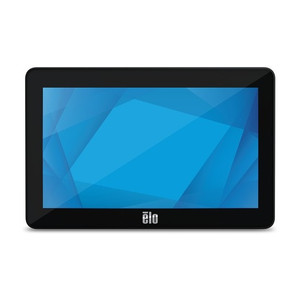
ELO Touch 2.5m USB Y-Cable for 0702L - E796577
2.5-meter USB Y-cable designed specifically for the 0702L touchscreen display
- 2.5m length bridges gap between 0702L display and cabinet- or ceiling-mounted hosts.
- Y-cable carries both power and data, ensuring touch input and video over one run.
- Designed exclusively for the 0702L — verify display model before deployment.
Usually Ships in 2-3 Weeks Free shipping over $499$30.00 $29.99 Save $0.01 -
Save $19.01

ELO Touch 2094L Front-mount Bezel KIT - E553352
Front-mount bezel kit designed for the ELO Touch 2094L display
- Designed exclusively for the ELO Touch 2094L — no fitment guesswork on install.
- Front-mount design conceals hardware for a clean, finished customer-facing profile.
- Flush-wall positioning minimizes dust ingress and reduces display shift under vibration.
Usually Ships in 2-3 Weeks Free shipping over $499$269.00 $249.99 Save $19.01 -
Save $0.01

ELO Touch 2094L Rack-mount Bezel KIT - E553538
20-inch wide rack-mount bezel kit designed to integrate ELO 2094L displays into standard 19-inch or wider rack enclosures
- Mounts the ELO 2094L display flush in 19-inch or wider rack enclosures.
- Eliminates custom fabrication with a purpose-built mechanical bezel framework.
- Exact-fit compatibility with 2094L series ensures no guesswork during deployment.
Usually Ships in 2-3 Weeks Free shipping over $499$172.00 $171.99 Save $0.01 -
Save $28.01
ELO Touch 2243L/2244L Pcap/itouch Flush-mount KIT - E190706
Flush-mount installation kit designed for ELO Touch 2243L and 2244L capacitive (Pcap) and iTouch touchscreen displays
- Eliminates bezel gap for dust-sealed, flush integration into walls or cabinets.
- Compatible with ELO 2243L and 2244L in both Pcap and iTouch configurations.
- Rear power and video ports remain fully accessible after flush installation.
Usually Ships in 2-3 Weeks Free shipping over $499$371.00 $342.99 Save $28.01 -
Save $58.01

ELO Touch 2295L 21.5" FHD LCD - E146083
21.5-inch open-frame LCD display engineered for kiosk, point-of-sale, and industrial control environments where reliable touchscreen response and
- 1920×1200 FHD WVA panel maintains color accuracy at wide mounting angles.
- 400-nit LED backlight sustains readability in high-ambient retail and kiosk sites.
- 10-point PCAP touch over USB eliminates calibration drift and resistive wear cycles.
Usually Ships in 2-3 Weeks Free shipping over $499$790.00 $731.99 Save $58.01 -
Save $12.01
ELO Touch 24 AND 27 Inch Replacement Stand 03-SERIES - E510042
White replacement stand designed specifically for the ELO 03-SERIES 24-inch and 27-inch touchcomputers
- Direct replacement stand for ELO 03-Series 24" and 27" desktop monitors.
- White finish integrates seamlessly with 03-Series monitor housings.
- Stable desktop base supports POS and retail counter deployments.
Usually Ships in 2-3 Weeks Free shipping over $499$211.00 $198.99 Save $12.01 -
Save $29.01
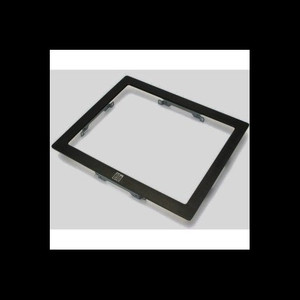
ELO Touch 2494L Front-mount Bezel KIT - E083096
Front-mount bezel kit designed specifically for ELO Touch 2494L displays
- Designed exclusively for ELO Touch 2494L displays—verify model before ordering.
- Front-mount design provides structural load-bearing support in wall, kiosk, or cabinet cutouts.
- Delivers a finished trim interface that meets professional fixed-installation appearance standards.
Usually Ships in 2-3 Weeks Free shipping over $499$410.00 $380.99 Save $29.01 -
Save $61.01

ELO Touch 2495L FHD WVA (600nit) - E506980
23.8-inch open-frame LCD monitor engineered for embedded retail, hospitality, and self-service kiosk applications
- 600-nit LED backlight maintains legibility in high-ambient-light kiosk deployments.
- 1920×1080 FHD on a 23.8" open frame fits flush into custom enclosures and kiosk builds.
- USB connectivity and 24V DC power simplify embedded integration with standard kiosk rails.
Usually Ships in 2-3 Weeks Free shipping over $499$857.00 $795.99 Save $61.01 -
Save $40.01
ELO Touch 2740L Itouch Flush-mount KIT - E190896
Flush-mount bracket kit engineered for the 2740L Itouch 27-inch touchscreen display
- Mounts 2740L Itouch flush into wall or panel openings, eliminating bezel gaps.
- Exclusive fit for 2740L Itouch only — verify model designation before ordering.
- Requires minimum 2 inches rear airflow clearance to prevent thermal stress.
Usually Ships in 2-3 Weeks Free shipping over $499$529.00 $488.99 Save $40.01 -
Save $149.01

ELO Touch 2799L 27-inch FHD - E399052
27-inch outdoor-rated LCD display engineered for direct-sunlight applications in kiosks, digital signage, and interactive wayfinding
- 1500nit LED backlight sustains readability in direct sunlight and high-ambient-light zones.
- IP65 dust/water sealing and IK10 impact rating support semi-outdoor and washdown-adjacent installs.
- 10-point PCAP touch with USB and RS232 I/O eliminates calibration drift in multi-user deployments.
Usually Ships in 2-3 Weeks Free shipping over $499$2,031.00 $1,881.99 Save $149.01 -
Save $0.01
ELO Touch 3243L Monitor Bracket - E312503
Flushmount bracket kit designed for the ELO Touch 3243L Pcap touchscreen monitor
- Flush-mounts the 3243L so the display face sits level with the surrounding panel surface.
- Engineered exclusively for the ELO Touch 3243L 32-inch PCAP touchscreen — no guesswork on fit.
- Reduces bezel protrusion in kiosk, control center, and fixed command station deployments.
Usually Ships in 2-3 Weeks Free shipping over $499$57.00 $56.99 Save $0.01 -
Save $0.01

ELO Touch 3M Cable KIT - M Series Monitors - E210606
3-meter cable kit for M Series monitors
- 3-meter length gives installers extended reach between control module and display.
- Bundles Mini-VGA, USB, HDMI, and audio cables into one order for 1002L/1502L.
- Direct compatibility with 1002L and 1502L ensures correct connectors and gauges.
Usually Ships in 2-3 Weeks Free shipping over $499$79.00 $78.99 Save $0.01 -
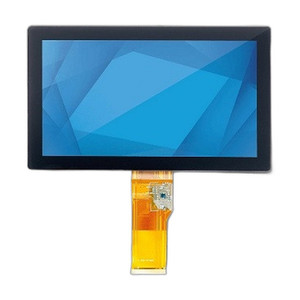
ELO Touch 7-Inch Touchscreen - E271156
7-inch TouchPro projected capacitive (PCAP) touchscreen display designed for point-of-sale, kiosk, and commercial interactive applications
- 7-inch TouchPro PCAP touch panel suits compact POS and kiosk deployments.
- Factory-new unit ships with a full US warranty path for enterprise procurement.
- ELO E271156 sourced directly from US manufacturer supply chain.
Usually Ships in 2-3 Weeks Free shipping over $499$206.99 -
Save $0.01

ELO Touch Cable Kit E-Series Type C to C CFD - E185034
Cable kit designed for E-Series touch display systems, providing USB Type C to Type C connectivity with CFD (shielded) construction
- USB Type-C to Type-C CFD cable kit for E-Series displays
- Shielded construction for reliable touchscreen connectivity
- OEM cable for ELO E-Series deployment
Usually Ships in 2-3 Weeks Free shipping over $499$17.00 $16.99 Save $0.01 -
Save $0.01
ELO Touch Cable Replacement Kit for IDS 01 series - E000263
Factory cable replacement kit designed for the ELO Touch IDS 01 series displays
- Factory-matched cable for IDS 01 series ensures correct connector type and pin config.
- Restores full display connectivity without replacing the entire unit, reducing downtime.
- Tool-free swap with click-confirm seating; no adapters or compatibility guesswork required.
Usually Ships in 2-3 Weeks Free shipping over $499$89.00 $88.99 Save $0.01 -
Save $159.01
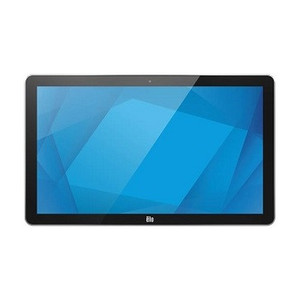
ELO Touch E176451 Android 14
15.6-inch industrial-grade touchscreen display built on Android 14 with Google Mobile Services (GMS)
- 1920x1080 FullHD display keeps text and graphics legible across extended warehouse shifts.
- Qualcomm 6490 octa-core with 8GB RAM handles concurrent logistics apps without stuttering.
- Android 14 with GMS on 64GB flash supports OS, libraries, and custom kiosk apps onboard.
Usually Ships in 2-3 Weeks Free shipping over $499$1,857.00 $1,697.99 Save $159.01 -
Save $0.01
ELO Touch E350807 USB Hub Kit
USB hub and bracket assembly designed specifically for ELO I-Series touch displays
- Designed exclusively for ELO I-Series displays, ensuring precise bracket fit.
- Integrated USB hub consolidates peripheral connections, reducing cable clutter.
- Supports wall or stand mounting, enabling clean fixed-installation deployments.
Usually Ships in 2-3 Weeks Free shipping over $499$92.00 $91.99 Save $0.01 -
Save $212.01

ELO Touch E425776 15.6-inch AiO
Compact 15.6-inch all-in-one point-of-sale terminal designed for retail, hospitality, and quick-service environments where space and reliability
- 1920×1080 antiglare display reduces cashier eye strain under overhead retail lighting.
- 10-point PCAP touch accepts gloved or wet input — no recalibration required.
- Intel Core i3, 8 GB RAM, 256 GB SSD consolidates compute and display in one unit.
Usually Ships in 2-3 Weeks Free shipping over $499$3,208.00 $2,995.99 Save $212.01 -
Save $313.01

ELO Touch E425976 15.6-inch AiO
Compact, full-featured all-in-one point-of-sale system built on the proven I-Series 3 platform
- 1920×1080 antiglare display maintains readability under bright retail or warehouse lighting.
- Projected capacitive 10-touch zero-bezel design simplifies cleaning and kiosk integration.
- Bluetooth connectivity and 11V AC power support flexible counter or kiosk deployments.
Usually Ships in 2-3 Weeks Free shipping over $499$3,661.00 $3,347.99 Save $313.01 -
Save $214.01
ELO Touch E428276 21.5-inch I-Series AiO
21.5-inch integrated point-of-sale system built on Intel architecture, combining a full HD 1920×1080 touchscreen, integrated compute, and
- 21.5-inch 1920×1080 full HD display delivers sharp transaction and inventory screens.
- All-in-one Intel architecture eliminates separate CPU hardware, cutting installation complexity.
- Bluetooth connectivity supports wireless peripherals without additional adapter hardware.
Usually Ships in 2-3 Weeks Free shipping over $499$2,583.00 $2,368.99 Save $214.01 -
Save $336.01
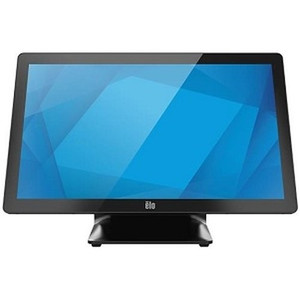
ELO Touch E428860 21.5-inch I-Series 3
Compact, integrated point-of-sale terminal that consolidates display, processor, memory, and storage into a single footprint
- 1920×1080 Full HD display renders POS menus and signage without upscaling artifacts.
- 10-point projected capacitive touch enables multi-gesture input with no stylus required.
- Bluetooth connectivity supports wireless peripheral integration, reducing countertop cabling.
Usually Ships in 2-3 Weeks Free shipping over $499$3,960.00 $3,623.99 Save $336.01 -
Save $153.01

ELO Touch E705229 15.6-inch I-Series 3 AiO
Compact all-in-one POS terminal designed for retail, hospitality, and quick-service environments requiring a durable, integrated touchscreen
- 1920×1080 frameless 15.6" display delivers sharp transaction and KDS interfaces at the counter.
- Bluetooth 5.2 plus Ethernet and Wi-Fi enable flexible peripheral pairing and network deployment.
- 128GB SSD and 8GB RAM support POS software stacks with fast boot; no OS lock-in required.
Usually Ships in 2-3 Weeks Free shipping over $499$2,303.00 $2,149.99 Save $153.01 -
Save $0.01

ELO Touch E727568 - IDS 3 Series Pen
Replacement passive stylus designed for the ELO IDS 3 and IDS 4 series interactive display systems
- Passive design requires no battery or pairing—ready to use immediately on deployment.
- Compatible exclusively with ELO IDS 3 and IDS 4 series IR touch displays.
- Straightforward consumable replacement; reorder by MPN E727568 to minimize downtime.
Usually Ships in 2-3 Weeks Free shipping over $499$70.00 $69.99 Save $0.01 -
Save $298.01
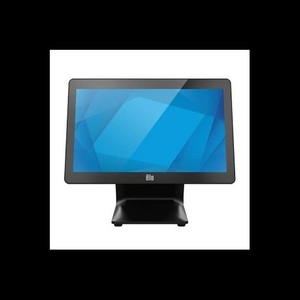
ELO Touch E743853 15.6-inch I-Series AiO
Self-contained 15.6-inch all-in-one (AiO) POS terminal built on the I-Series 3 platform
- 1920×1080 full-HD PCAP 10-touch display supports multi-touch gesture input.
- Intel Core i5 with 16 GB RAM handles concurrent POS and inventory workloads.
- Bluetooth-enabled all-in-one form factor eliminates separate CPU and monitor cabling.
Usually Ships in 2-3 Weeks Free shipping over $499$3,492.00 $3,193.99 Save $298.01