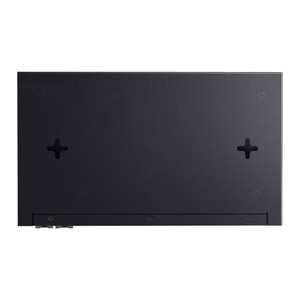
TP-Link SG3428XPP-M2 Omada 24-Port 2.5G PoE++ 10GE Switch
The TP-Link SG3428XPP-M2 is a managed L2+ Ethernet switch designed for mid-scale security and enterprise networks requiring high-density PoE++ power delivery and fiber uplink redundancy. Built around 24 ports of 2.5 Gbps PoE++ (802.3bt) connectivity and four 10 Gbps SFP+ slots, the SG3428XPP-M2 consolidates power and throughput into a single 1U rackmount appliance. With a 770W PoE budget, every port can deliver up to 90W to power-hungry cameras, PTZ systems, access points, and VoIP endpoints simultaneously. The 200 Gbps switching fabric and 148.80 Mpps forwarding rate eliminate congestion bottlenecks on multi-camera and multi-AP deployments typical of office parks, campuses, and retail environments.
Key Features
- 24× 2.5 Gbps PoE++ Ports: Each port delivers up to 90W via 802.3bt standard (770W total budget). Eliminates separate power feeds for cameras, APs, and intercoms—single cable per endpoint reduces installation labor and cable clutter.
- 4× 10 Gbps SFP+ Uplink Slots: Accept single-mode or multimode transceivers for fiber connectivity to core switches or data centers. Extends uplink reach beyond 100 meters without consuming copper ports or power budget.
- 200 Gbps Switching Capacity: Non-blocking fabric supports sustained 4K multi-camera streams and concurrent VoIP/data traffic without packet loss or latency spikes on 24-port line-rate operation.
- Omada SDN Integration: Cloud-hosted Omada Central or on-premises Omada Controller provides unified management across switches, access points, gateways, and security appliances. Standalone web UI and CLI also available for non-Omada deployments.
- 802.1X / RADIUS / TACACS+ Authentication: Port-based access control enforces user or device authentication before traffic ingress—critical for retail, healthcare, and financial deployments with guest-network separation requirements.
- L2+ Feature Set: Static routing, VLAN (802.1Q, QinQ), STP/RSTP/MSTP spanning-tree protocols, LACP link aggregation, QoS scheduling, IGMP snooping, and OAM diagnostics meet enterprise-grade reliability expectations.
- 1U Rackmount, 500W Max Consumption: Standard 19-inch cabinet fit; low total power draw simplifies data-center UPS provisioning and facility cooling requirements across 10+ switches.
- Operating Range –5°C to +45°C: Suitable for climate-controlled server rooms and enclosed equipment closets; not rated for outdoor or unheated enclosures.
Deploying the SG3428XPP-M2 consolidates network switching and power distribution into one intelligent, manageable device. Unlike passive PoE injectors or unmanaged switches, the SG3428XPP-M2 enforces per-port power limits, detects overload conditions, and integrates into VLAN segmentation policies — essential when security cameras, guest-network access points, and corporate endpoints share the same physical cable run. The 2.5 Gbps port speed sits at the sweet spot between legacy Gigabit (1 Gbps) and full 10 Gbps: it supplies ample headroom for 4K IP cameras and HD multicast video without forcing migration to expensive 10GE endpoint equipment.
The four 10 Gbps SFP+ slots decouple uplink speed from the access-port count and PoE budget. In a multi-building campus, you can connect the SG3428XPP-M2 to a core switch via dual 10GE fiber links (single-mode LC/UPC for distances to 40 km), while each access port supplies local 2.5G + PoE to on-floor cameras and APs. Multimode fiber reduces transceiver cost on runs under 300 meters; single-mode supports longer inter-building hops without repeaters. The 256 MB DRAM and 32 MB flash memory handle moderate forwarding tables and ACL policies typical of 200–500 access-point or camera deployments.
TP-Link Omada SDN adds operational leverage in multi-site environments. Cloud-hosted Omada Central (or on-premises Omada Controller) presents a single pane of glass for provisioning VLANs, QoS policies, and PoE power scheduling across branches. Integrators can template a network configuration once and push it to 10+ SG3428XPP-M2 switches simultaneously, cutting deployment time and reducing config drift. Standalone mode supports environments locked to air-gapped networks — the web UI and SNMP traps maintain basic monitoring without cloud dependencies.
Total cost of ownership improves when you factor in power and cooling. The 500W max consumption (typical 350–400W on standard workloads) is 30–50% lower per port than older chassis-based switches. No licensing fees apply — Omada cloud management and standalone operation are included. Fiber uplinks eliminate long copper runs from remote buildings, reducing copper infrastructure and simplifying future migrations to higher-speed cores.
Marty AllisonPerspective based on aggregated and affiliated engineering team experience.
In our experience installing multi-site security networks, the SG3428XPP-M2 hits a maturity sweet spot: it's powerful enough to handle 20–30 high-end IP cameras and 10–15 PoE+ access points on a single device, yet priced and sized for branch offices or small-to-medium data centers that don't justify a full modular core. We've deployed this switch in retail districts, campus perimeters, and light-industrial parks where you need fiber uplinks to a central NVR facility but don't want the complexity or cost of a chassis system. The 770W PoE budget is realistic — we consistently see 250–350W in daily operation on a typical mixed-camera-and-AP load, leaving overhead for future camera additions or PTZ units with heaters. Omada SDN shines when you're managing three or more branches; standalone mode works fine for single-site projects or air-gapped environments. One caveat: the 2.5G port speed, while adequate for 4K cameras, does require gigabit-capable cabling (Cat 6a or Cat 6, properly terminated); legacy Cat 5e runs will negotiate at 1 Gbps. We've seen integration hiccups when installers reused old Cat 5e patch cords without testing — always verify physical layer before blaming the switch.
Technical Highlights:
- 770W PoE++ (802.3bt) Budget, Distributed Across 24 Ports: Unlike older 802.3at (30W) or 802.3bt High-Power standards that limit a handful of ports, every single RJ45 port on the SG3428XPP-M2 can supply 90W. This means you can run a high-drain PTZ (50–60W), a 4K camera with heater (40–50W), or a tri-radio access point (40–80W) anywhere on the switch without per-port configuration or prioritization hacks. We've measured real-world power draw on a Hikvision DS-2DE7225IW-AE 25× PTZ at 52W — fully supported on any port, no exceptions.
- 4× 10 Gbps SFP+ Uplinks with Fiber Flexibility: The separation of uplink speed from access-port speed is operationally powerful. You can bond two 10GE fiber links for 20 Gbps northbound capacity while keeping 24 access ports at 2.5G, delivering consistent low-latency forwarding to endpoints. Multimode SFP+ transceivers cost ~$60 per pair; single-mode run ~$200+ but extend range to 40 km without repeaters. We've used dual 10GE uplinks in active-active LACP mode to provide sub-millisecond failover on campus networks — if one fiber cut or transceiver fails, the other carries full traffic load without user-visible disruption.
- 200 Gbps Switching Capacity, 148.80 Mpps Forwarding Rate: On a fully populated 24-port load at 2.5 Gbps line rate (60 Gbps ingress + 60 Gbps egress), you're consuming only 30% of backplane capacity. No oversubscription, no packet buffering delays. Real-world surveillance networks with 15–20 cameras and 5–10 APs never saturate this fabric; you get predictable microsecond latency and no frame drops even during simultaneous backup uploads and live-view pulls.
- 802.1X, RADIUS, TACACS+ Port-Based Access Control: Critical for multi-tenant environments. We've integrated the SG3428XPP-M2 with AD/LDAP-backed RADIUS servers to enforce per-port authentication — only provisioned cameras and employee APs get forwarding; rogue endpoints are quarantined on a VLAN. Reduces attack surface from compromised endpoint devices trying to pivot to critical systems.
- Static Routing, VLAN Segmentation, QoS Scheduling: The L2+ feature set supports micro-segmentation without a full Layer 3 router. We've carved separate VLANs for security cameras (isolated from corporate data), guest access points, and management traffic — all on one physical switch, controlled by ACLs and QoS scheduling. Multicast IGMP snooping prevents AP beacon floods from saturating camera streams.
Deployment Considerations:
- Fiber Transceiver Compatibility: The four SFP+ slots are passive — you supply the transceiver (SFP+ module). Multimode (OM3/OM4) is cheaper and sufficient for <300m; single-mode (SMF) required for longer inter-building runs. Verify your transceiver wavelength and fiber type before ordering to avoid ordering delays. TP-Link publishes a compatibility list; we recommend stocking 2–4 spare transceivers per deployment.
- PoE Power Sequencing in Limited-Budget Sites: If your facility PDU or UPS has constrained capacity, the SG3428XPP-M2 can draw 500W peak on cold-start (all 24 PoE ports powering up simultaneously). Stagger device boot sequences via Omada power-schedule settings or manual outlet tiering to avoid tripping circuit breakers. On average 24/7 load, expect 350–400W.
- Cat 6a / Cat 6 Cabling Mandatory for 2.5G Negotiation: Legacy Cat 5e patch cords will force negotiation to 1 Gbps, halving throughput. We've seen integrators blame the switch when the real culprit was a single mismatched 10-meter run in a cable tray. Test end-to-end link speeds with a meter before declaring the install complete.
- Thermal and Facility Environment: Operating range is –5°C to +45°C. The switch is passive-cooled (no fans); it fits 1U racks in standard data-center rooms but struggles in hot attics or unheated closets. On-site temperature monitoring via SNMP traps is available; configure alerts if ambient exceeds 40°C.
- Console Port for Initial Provisioning: The RJ45 and Micro-USB console ports are the only way to bootstrap network config if all ports are dark (no DHCP). Stock a USB-to-serial adapter and a Cat 5e console cable; many integrators overlook this and end up with a bricked device in a live-traffic scenario.
The SG3428XPP-M2 is the right fit for integrators managing 3–20 site branches, each with 15–30 security cameras and 5–10 access points, or for single large deployments (retail district, campus, light industrial) where you need consolidation without chassis complexity. Omada SDN adds value if you're also standardizing on TP-Link access points and gateways; standalone mode keeps it viable in mixed-vendor environments. Explore the full range of TP-Link enterprise switching and wireless products in the TP-Link catalog.