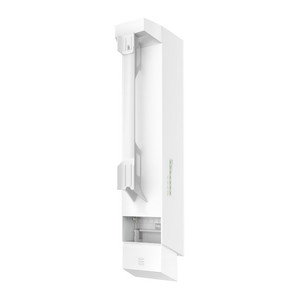
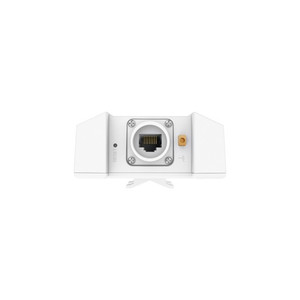
Product images are provided for reference and may not represent the exact model, configuration, or included components.

Overview

SKU: EAP211-BRIDGE KIT
Condition: New
Availability: Backorder Available — Contact for ETA
Warranty Manufacturer Warranty
Write a Review

TP-Link EAP211-BRIDGE KIT 5GHz AC867 Indoor/Outdoor Access Point

TP-Link EAP211-BRIDGE KIT 5GHz AC867 Access Point Overview The EAP211-BRIDGE KIT is a 5GHz AC867 access point designed to extend and bridge wireless n…

$103.99
Special Order
Usually Ships in 2-3 Weeks

Quantity:

Adding to cart… The item has been added
Compatibility guidance available for your deployment
Experts for pre and post-sales support
Technical and documentation support
Shipping and lead-time confirmation before install

Laura Bennett, IPSD Senior Specialist

Talk to Laura

Specialized training • U.S - based

Senior Specialist • 877-277-7147

TP-Link EAP211-BRIDGE KIT 5GHz AC867 Indoor/Outdoor Access Point

$103.99

Overview

SKU: EAP211-BRIDGE KIT
Condition: New
Availability: Backorder Available — Contact for ETA
Warranty Manufacturer Warranty

No Bots, Just Experts

Questions about this product? Free pre-sales support from a senior specialist — product questions, compatibility checks, BOM quotes, price confirmation — typically answered within one business day. Need camera placement or system design work? Engineering time is $175 per hour (qty 1 = 1 hour). Hardware buyers get up to one hour ($175) credited back on their order.

Description

TP-Link EAP211-BRIDGE KIT 5GHz AC867 Access Point

Overview

The EAP211-BRIDGE KIT is a 5GHz AC867 access point designed to extend and bridge wireless networks in surveillance, retail, and warehouse deployments. Delivers 867 Mbps peak throughput over 5 GHz — sufficient for multi-camera streaming without congestion on lightly-loaded sites. Three Gigabit RJ45 ports support wired backhaul or local device connection. Accepts either 12V DC or 24V passive PoE power, eliminating the need for separate AC outlets in remote monitoring installations. The wireless bridge and mesh modes allow daisy-chaining across buildings or floor sections without dedicated trunk lines.

Compatibility

Works as a standalone access point or integrates into the TP-Link Omada SDN controller ecosystem for centralized provisioning and roaming across multiple EAP units. Compatible with any 802.11ac client device (laptops, tablets, IP cameras with Wi-Fi modules, mobile computers). The passive PoE option (12V or 24V input) pairs well with existing PoE switches or injectors already powering your surveillance backbone. No vendor lock-in — standard 802.11ac and Ethernet mean it co-exists with third-party IP surveillance infrastructure.

Installation Notes

Mount indoors or outdoors — dual internal antennas handle typical ceiling or wall placement. PoE power adapter not included; verify your power source supplies either 12V or 24V passive PoE before installation. RJ45 connector is standard — no special cabling. Omada App or web interface allows quick initial setup; for multi-unit deployments, the centralized Omada SDN controller eliminates repetitive per-unit configuration.

What's in the Box

  • 1x EAP211-BRIDGE KIT access point
  • 2x internal antennas
  • Mounting hardware
  • Quick start guide
Specifications
Source: 1
Brand: TP-Link
MPN: EAP211-BRIDGE KIT
Type: Power Supply
Connectivity: PoE
Power: 12V DC
Q&A
Reviews
Have Questions? Ask an Expert.

RELATED PRODUCTS

System Design, Deployment & Technical Support

Support services and planning resources for commercial surveillance, access control, and infrastructure deployments.

Fixed scope • Fixed price

System Design Assistance

  • Get help validating product compatibility
  • Coverage requirements
  • Storage planning and deployment architecture before you buy.
Request Design Help

Deployment & Configuration Support

  • Access fixed-scope support for rollout planning
  • User setup guidance
  • Migration and system standardization across single-site or multi-site deployments
View Support Services

Guides, Tools & Calculators

  • PoE requirements
  • Storage retention
  • Camera selection and deployment methodology
Open Technical Resources