


System Sensor
System Sensor 4WTR-B i3 Series 4-Wire Photoelectric Smoke Detector ...
$130.20
$98.99
Save $31.21

Overview
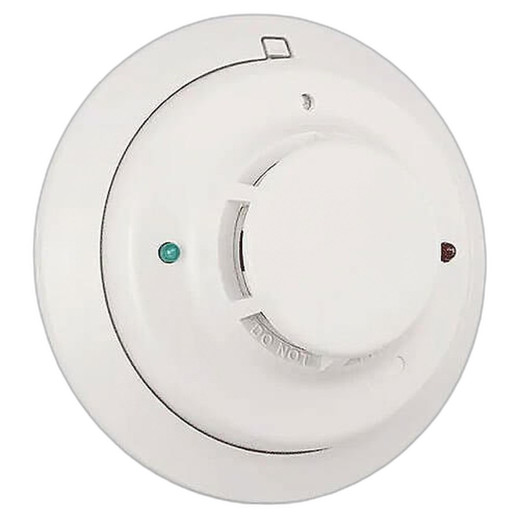
System Sensor 4WT-B i3 Series 4-Wire Photoelectric Smoke Detector Overview The System Sensor 4WT-B is a 4-wire photoelectric smoke detector engineere…
Review items below — quantities update pricing automatically.
Overview
The System Sensor 4WT-B is a 4-wire photoelectric smoke detector engineered for integration into addressable fire detection and alarm systems. Operating on a 4-wire configuration, the 4WT-B delivers reliable smoke detection in both commercial and institutional applications where hardwired connectivity and continuous power supervision are required. This detector is part of System Sensor's established i3 detection platform, designed to meet building code requirements and provide consistent performance across diverse facility layouts.
The 4WT-B (often searched as 4WT B) connects directly to addressable fire alarm control panels that support 4-wire photoelectric detector modules. The detector operates on supervised circuits, meaning the control panel continuously monitors detector status and wiring integrity. This architecture provides real-time alerts for detector disconnection, fouling, or malfunction—critical for facilities requiring proof of system readiness. Integration requires compatible addressable modules and terminal blocks supplied by the fire alarm panel manufacturer. Consult your control panel documentation to confirm 4-wire detector support before ordering.
The System Sensor 4WT-B is commonly deployed in:
The photoelectric principle makes the 4WT-B well-suited for areas where cooking smoke, dust, or steam may trigger ionization-based detectors. Spaces with variable lighting conditions benefit from the photoelectric sensor's inherent resistance to LED flicker and fluorescent ballast interference. For areas with high ambient light or direct sunlight, supplemental shielding may be required—verify with your fire protection engineer.
The 4WT-B features straightforward terminal connections accepting 18–12 AWG wire for power and signaling circuits. Mounting hardware accommodates standard ceiling escutcheons and wall brackets. After installation, detectors should be tested using an approved smoke source (e.g., canned aerosol or official test gas) to confirm sensitivity and alarm response. Periodic cleaning with compressed air removes dust accumulation, extending detector life and maintaining calibrated sensitivity. Annual or biennial testing per NFPA 72 and local fire codes ensures continued compliance and operational readiness.

I've specified the System Sensor 4WT-B in several retrofit and new-build fire alarm projects, and it remains a reliable choice for facilities moving away from older ionization-based systems or expanding addressable detection networks. The 4-wire topology provides excellent supervision and real-time fault reporting that building owners and AHJs appreciate.
Technical Highlights:
Deployment Considerations:
For integrators upgrading existing systems or building out new networks, the 4WT-B delivers proven detection performance with the fault visibility that modern fire alarm systems demand. Confirm detector module compatibility with your panel manufacturer's documentation, and always follow local AHJ requirements for placement and testing.
System Sensor

System Sensor

System Sensor

System Sensor
System Sensor
Support services and planning resources for commercial surveillance, access control, and infrastructure deployments.
Fixed scope • Fixed price