
Zebra TC2205-0G1250SS-US vs Zebra TC2205-0G1250SS-FT: Specification Comparison
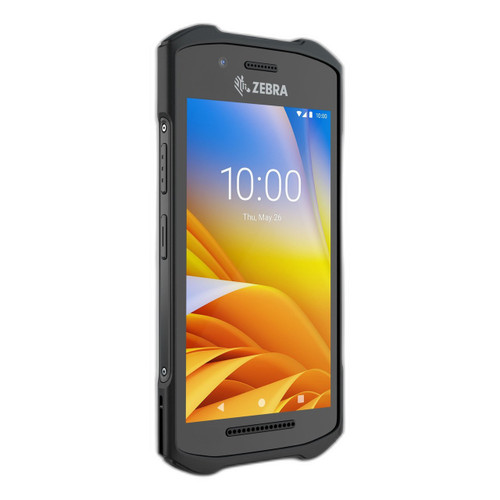
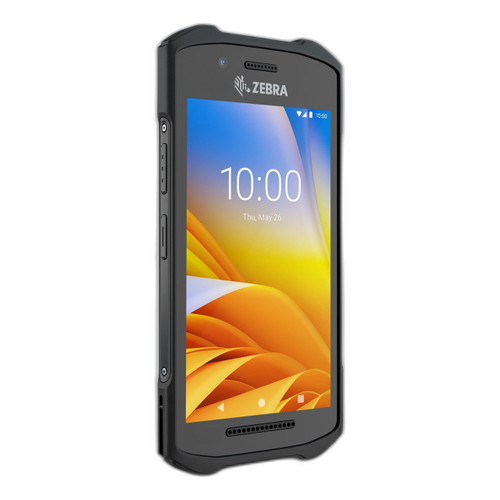
Both the Zebra TC2205-0G1250SS-US and TC2205-0G1250SS-FT are wearable RFID scanners in the TC22R family, targeting warehouse and distribution-center workers who need hands-free 1D/2D barcode and RFID capture. They share a common platform—Qualcomm Snapdragon 660 octa-core processor, 4 GB RAM, 3100 mAh battery, Android OS, and Bluetooth 5.0 BLE—but diverge on Wi-Fi standard coverage, storage architecture, and a small number of disclosed software and mounting details that matter to IT buyers planning a deployment.
In This Guide
- Which model delivers broader wireless connectivity for dense warehouse RF environments?
- Do the two models differ in scan engine capability or operating system version?
- How do onboard storage architecture and wearable mounting options compare?
- Which should you choose: the TC2205-0G1250SS-US or the TC2205-0G1250SS-FT?
- Side-by-Side Specs
- FAQ
Which model delivers broader wireless connectivity for dense warehouse RF environments?
The TC2205-0G1250SS-FT specifies Wi-Fi 802.11a/b/g/n/ac, adding the 802.11ac (Wi-Fi 5) standard to its radio suite. The TC2205-0G1250SS-US specifies only 802.11a/b/g/n. In environments with modern 802.11ac access points, the -FT variant can negotiate higher throughput and may associate more reliably in congested 5 GHz bands.
Both units list WPA and WPA2 security certifications. Neither spec set discloses WPA3 support or MU-MIMO capability. For sites still running legacy 802.11n infrastructure, both models will perform equivalently; the 802.11ac advantage of the -FT is only realized where the access-point infrastructure supports that standard.
Do the two models differ in scan engine capability or operating system version?
Both models share a 1D/2D scan engine with RFID capability. The TC2205-0G1250SS-US explicitly lists supported symbologies: QR Code, Data Matrix, PDF417, Code 128, Code 39, UPC, and EAN. The TC2205-0G1250SS-FT does not enumerate specific symbologies in the provided spec set.
On the operating system, the TC2205-0G1250SS-FT explicitly states Android 10. The TC2205-0G1250SS-US lists 'Android' without specifying a version. This distinction matters for IT security policy compliance, MDM enrollment profiles, and enterprise app compatibility windows.
How do onboard storage architecture and wearable mounting options compare?
The TC2205-0G1250SS-US specifies 64 GB flash internal storage. The TC2205-0G1250SS-FT lists microSD card as its storage medium; 64 GB appears in the Storage Capacity field but the underlying spec text references microSD rather than integrated flash, suggesting removable media as the primary or supplemental storage path. Removable microSD allows swappable storage pools; integrated flash is generally more ruggedized against vibration and card ejection.
On form factor, the -US model describes belt-mounted, chest harness, and handheld mounting options. The -FT model describes wrist, arm, and chest mount configurations. Both are wearable, but the specific harness ecosystems differ, which affects accessory procurement. Both models also list wall mount type in the spec data, which appears to be a data artifact carried from a shared template rather than a meaningful product differentiator.
Which should you choose: the TC2205-0G1250SS-US or the TC2205-0G1250SS-FT?
Our take: The TC2205-0G1250SS-FT is the stronger choice when the deployment site runs 802.11ac (Wi-Fi 5) access points and requires a confirmed Android 10 OS baseline, as it explicitly covers the 802.11ac radio standard versus the -US model's 802.11a/b/g/n only, and names Android 10 where the -US spec omits the version. The -US model counters with a fully enumerated symbology set (QR Code, Data Matrix, PDF417, Code 128, Code 39, UPC, EAN) and explicitly specified belt/chest/handheld mounting options, whereas the -FT leaves symbologies unspecified and references microSD-based storage rather than the -US model's confirmed 64 GB internal flash. For legacy-network warehouses where 802.11n is the ceiling, both models are equivalent on radio; the -US model's documented internal flash may be preferable where card-ejection risk in rugged handling is a concern. Confirm Wi-Fi infrastructure generation before selecting.
Side-by-Side Comparison
Spec-for-spec, from manufacturer data.
| Specification | Zebra TC2205-0G1250SS-US | Zebra TC2205-0G1250SS-FT |
|---|---|---|
| SKU | TC2205-0G1250SS-US | TC2205-0G1250SS-FT |
| Product Family | TC22R Wearable RFID Scanner | TC22R Wearable RFID Scanner |
| Wi-Fi Standard | 802.11a/b/g/n | 802.11a/b/g/n/ac |
| Wi-Fi Security | WPA, WPA2 | WPA, WPA2 |
| Bluetooth | Bluetooth 5.0 BLE | Bluetooth 5.0 BLE |
| Operating System | Android (version not specified) | Android 10 |
| Processor | Qualcomm Snapdragon 660 octa-core, 1.8 GHz | Qualcomm Snapdragon 660 octa-core, 1.8 GHz |
| RAM | 4 GB | 4 GB |
| Storage | 64 GB internal flash | microSD (64 GB capacity listed) |
| Battery Capacity | 3100 mAh | 3100 mAh |
| Display | 5.0 in. HD (1280x720), LED backlight | 5.0 in. HD (1280x720), LED backlight |
| Screen Size (spec field) | 6 inch | 6 inch |
| Scan Engine | 1D/2D + RFID | 1D/2D + RFID |
| Symbologies | Code 128, Code 39, UPC, EAN, QR Code, Data Matrix, PDF417 | Not specified in provided specs |
| Wearable Mount Options | Belt, chest harness, handheld | Wrist, arm, chest |
| Warranty | 1 year | 1 year |
Frequently Asked Questions
Which should you choose: the TC2205-0G1250SS-US or the TC2205-0G1250SS-FT?
The TC2205-0G1250SS-FT is the stronger choice when the deployment site runs 802.11ac (Wi-Fi 5) access points and requires a confirmed Android 10 OS baseline, as it explicitly covers the 802.11ac radio standard versus the -US model's 802.11a/b/g/n only, and names Android 10 where the -US spec omits the version. The -US model counters with a fully enumerated symbology set (QR Code, Data Matrix, PDF417, Code 128, Code 39, UPC, EAN) and explicitly specified belt/chest/handheld mounting options, whereas the -FT leaves symbologies unspecified and references microSD-based storage rather than the -US model's confirmed 64 GB internal flash. For legacy-network warehouses where 802.11n is the ceiling, both models are equivalent on radio; the -US model's documented internal flash may be preferable where card-ejection risk in rugged handling is a concern. Confirm Wi-Fi infrastructure generation before selecting.
Is the TC2205-0G1250SS-US or TC2205-0G1250SS-FT better for a site running modern 802.11ac access points?
Based on the provided specs, the TC2205-0G1250SS-FT is the better fit. It explicitly lists 802.11a/b/g/n/ac support, while the TC2205-0G1250SS-US is specified only for 802.11a/b/g/n. On a legacy 802.11n network both models are equivalent.
Which model has a confirmed Android version, and does it matter for MDM deployments?
The TC2205-0G1250SS-FT specifies Android 10. The TC2205-0G1250SS-US lists 'Android' without a version number in the provided specs. If your MDM or enterprise app policy requires a minimum confirmed OS version, the -FT provides that assurance from the spec sheet; you would need to verify the -US version through Zebra's official documentation.
Do both models support the same barcode symbologies and RFID in a single device?
Both models are specified as 1D/2D barcode plus RFID scanners. The TC2205-0G1250SS-US explicitly enumerates QR Code, Data Matrix, PDF417, Code 128, Code 39, UPC, and EAN. The TC2205-0G1250SS-FT confirms 1D/2D plus RFID capability but does not enumerate individual symbologies in the provided spec data. Verify symbology support for the -FT against Zebra's official datasheet before purchase.
More Mobile Computer Comparisons
- Honeywell CW45-X0N-AND10XG vs Unitech HT730-LJ6122BG
- Honeywell CW45-X0N-AND10XG vs Unitech HT730-LJ6142BG
- Honeywell CW45-X0N-AND10XG vs Unitech HT330-QA62TM3G-Z3
- Honeywell CW45-X0N-AND10XG vs Zebra TC2205-0G1250SS-US
- Honeywell CW45-X0N-AND10XG vs Honeywell CW45-X0N-AND10SG
- Honeywell CW45-X0N-AND10XG vs Honeywell CW45-X0N-BND10XG
Mobile Computer Buying Guides
Get a Second Opinion on Your Camera Choice
Share your site layout, coverage goals, and budget. Our team will validate the camera selection, flag anything we would change, and recommend products that match the use case.