
Ubiquiti UAP-AC-M-5-US vs TP-Link EAP225-OUTDOOR: Specification Comparison
Both the Ubiquiti UAP-AC-M-5-US and the TP-Link EAP225-OUTDOOR are 802.11ac (Wi-Fi 5) dual-band outdoor-capable wireless access points powered via 802.3af PoE and terminated with a Gigabit Ethernet uplink. A buyer evaluating outdoor Wi-Fi coverage for a campus, facility perimeter, or distributed site would reasonably cross-shop these two units. The primary axes of comparison are aggregate throughput and radio capability, environmental and physical durability, and management platform fit—each of which differs meaningfully between the two products.
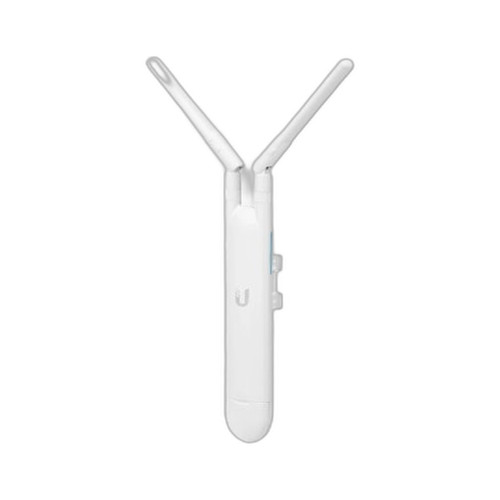
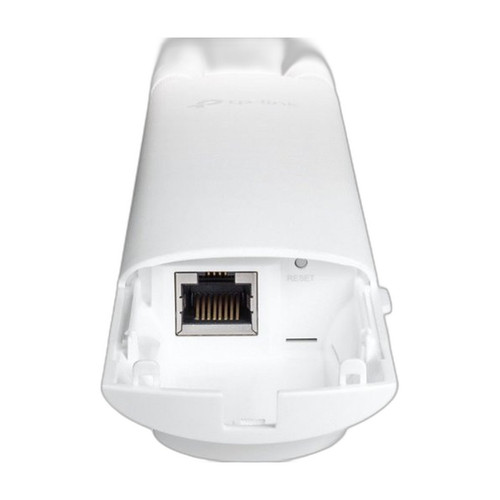
In This Guide
- Which access point delivers more wireless throughput and radio capacity?
- How do these access points compare for outdoor environmental durability and power requirements?
- Which management platform and ecosystem does each access point require, and how does that affect multi-site or enterprise deployments?
- Which should you choose: the UAP-AC-M-5-US or the EAP225-OUTDOOR?
- Side-by-Side Specs
- FAQ
Which access point delivers more wireless throughput and radio capacity?
The UAP-AC-M-5-US is specified at 1,750 Mbps aggregate dual-band throughput across 2.4 GHz and 5 GHz simultaneously. The EAP225-OUTDOOR is specified as AC1200, combining 867 Mbps on 5 GHz and 300 Mbps on 2.4 GHz for a 1,167 Mbps aggregate. That is approximately a 550 Mbps difference in rated aggregate throughput in favor of the Ubiquiti unit.
Both products operate in the 802.11ac (Wi-Fi 5) standard with simultaneous dual-band radios. The UAP-AC-M-5-US spec lists a maximum range figure of 1,750 m, though this figure is not directly specified for the EAP225-OUTDOOR in the provided data. Neither datasheet breaks out spatial stream count or channel-width details in the provided specs, so MIMO configuration cannot be compared here.
The UAP-AC-M-5-US is sold as a 5-pack (SKU suffix -5-US), meaning the throughput advantage applies across five discrete units in a single purchase. The EAP225-OUTDOOR is a single unit per SKU. Buyers comparing on a per-AP basis should note this distinction when evaluating total deployment cost.
How do these access points compare for outdoor environmental durability and power requirements?
The TP-Link EAP225-OUTDOOR carries an IP65 ingress-protection rating, which is explicitly stated in the provided specs. The UAP-AC-M-5-US specs do not include an IP rating in the provided data; the product is described as suitable for outdoor locations, but no IEC IP code is listed. Buyers deploying in rain-exposed or dusty environments should verify UAP-AC-M-5-US IP rating directly from the manufacturer's current datasheet before specifying.
Both units share the same bottom operating temperature limit of -30°C. The UAP-AC-M-5-US is rated to 70°C on the high end; the EAP225-OUTDOOR is rated to 65°C. For high-heat deployments such as rooftop installations in warm climates, the Ubiquiti unit's 5°C higher ceiling is a marginal advantage.
Both access points are powered by 802.3af PoE, enabling a single-cable installation without a dedicated AC run. The UAP-AC-M-5-US additionally lists support for 24V Passive PoE (pairs 4,5+; 7,8 return) and ships with a 24V, 0.5A Gigabit PoE adapter. The EAP225-OUTDOOR specifies PoE input under 13W. Power supply bundling for the EAP225-OUTDOOR is not confirmed in the provided specs. Both support wall and/or pole mounting; UAP-AC-M-5-US explicitly lists wall and pole mount types.
Which management platform and ecosystem does each access point require, and how does that affect multi-site or enterprise deployments?
The UAP-AC-M-5-US is managed exclusively through the Ubiquiti UniFi Network Controller, which provides centralized firmware management, client roaming coordination, and guest network configuration across all five units in the pack. Organizations already running UniFi infrastructure can absorb these APs with no additional management tooling.
The EAP225-OUTDOOR is a TP-Link Omada-series EAP product (based on its product family designation). The provided specs do not explicitly name the Omada controller, but TP-Link EAP225-OUTDOOR units in this product line are managed via TP-Link Omada Software Controller or hardware controller. Buyers should verify controller compatibility with their existing TP-Link infrastructure from the manufacturer's current documentation, as the provided spec data does not enumerate controller requirements.
The two platforms are not interoperable: UniFi APs cannot be managed by Omada and vice versa. For greenfield deployments, either ecosystem is viable. For sites with an existing controller investment, this is a hard constraint—adding the wrong brand would require a parallel management stack. Both products hold CE and FCC certifications (UAP-AC-M-5-US explicitly; EAP225-OUTDOOR certifications are not listed in the provided specs).
Which should you choose: the UAP-AC-M-5-US or the EAP225-OUTDOOR?
Our take: The UAP-AC-M-5-US is the stronger choice when deploying a multi-AP outdoor network under the UniFi ecosystem at sites prioritizing higher aggregate throughput. It offers a rated 1,750 Mbps aggregate versus the EAP225-OUTDOOR's 1,200 Mbps—a 46% throughput advantage—and a slightly wider operating temperature ceiling (70°C vs 65°C). The UAP-AC-M-5-US is purchased as a 5-pack, which simplifies procurement for larger deployments. However, the EAP225-OUTDOOR carries an explicit IP65 weatherproofing rating that is absent from the UAP-AC-M-5-US's provided specs, which is a material consideration for exposed outdoor installations. The EAP225-OUTDOOR is also a single-unit SKU, making it more accessible for small or incremental deployments. Platform lock-in is the dominant decision factor: buyers committed to UniFi should choose the UAP-AC-M-5-US; those on TP-Link Omada should choose the EAP225-OUTDOOR.
Side-by-Side Comparison
Spec-for-spec, from manufacturer data.
| Specification | Ubiquiti UAP-AC-M-5-US | TP-Link EAP225-OUTDOOR |
|---|---|---|
| Wi-Fi Standard | 802.11ac (Wi-Fi 5) | 802.11ac (Wi-Fi 5) |
| Aggregate Throughput | 1,750 Mbps | 1,200 Mbps (867 + 300) |
| 5 GHz Throughput | Not specified separately | 867 Mbps |
| 2.4 GHz Throughput | Not specified separately | 300 Mbps |
| Frequency Bands | 2.4 GHz and 5 GHz | 2.4 GHz and 5 GHz |
| PoE Standard | 802.3af; 24V Passive PoE | 802.3af (under 13W) |
| Uplink Port | (1) 10/100/1000 Ethernet | Gigabit Ethernet |
| IP Rating | — | IP65 |
| Operating Temp (Low) | -30°C | -30°C |
| Operating Temp (High) | 70°C | 65°C |
| Mount Type | Wall; Pole | — |
| Management Platform | UniFi Network Controller | — |
| Certifications | CE, FCC, IC | — |
| Country of Origin | CN | — |
| Pack Quantity | 5-pack | Single unit |
| Packaged Weight | 3.4 lbs (5-pack) | — |
Frequently Asked Questions
Which should you choose: the UAP-AC-M-5-US or the EAP225-OUTDOOR?
The UAP-AC-M-5-US is the stronger choice when deploying a multi-AP outdoor network under the UniFi ecosystem at sites prioritizing higher aggregate throughput. It offers a rated 1,750 Mbps aggregate versus the EAP225-OUTDOOR's 1,200 Mbps—a 46% throughput advantage—and a slightly wider operating temperature ceiling (70°C vs 65°C). The UAP-AC-M-5-US is purchased as a 5-pack, which simplifies procurement for larger deployments. However, the EAP225-OUTDOOR carries an explicit IP65 weatherproofing rating that is absent from the UAP-AC-M-5-US's provided specs, which is a material consideration for exposed outdoor installations. The EAP225-OUTDOOR is also a single-unit SKU, making it more accessible for small or incremental deployments. Platform lock-in is the dominant decision factor: buyers committed to UniFi should choose the UAP-AC-M-5-US; those on TP-Link Omada should choose the EAP225-OUTDOOR.
Is the UAP-AC-M-5-US or the EAP225-OUTDOOR better for a larger outdoor campus with 20+ access points?
The UAP-AC-M-5-US is sold in a 5-pack and is designed for mid-scale deployments with 20–50 concurrent clients per AP, managed centrally through the UniFi Network Controller. Its 1,750 Mbps rated throughput also exceeds the EAP225-OUTDOOR's 1,200 Mbps. For large multi-AP campus rollouts already on UniFi infrastructure, the UAP-AC-M-5-US is the more scalable choice based on the provided specs. If the site runs TP-Link Omada, the EAP225-OUTDOOR is the appropriate option, as the two ecosystems are not interoperable.
Which access point is better rated for harsh weather, rain, or dusty environments?
The EAP225-OUTDOOR carries an explicit IP65 ingress-protection rating per the provided specs, confirming protection against dust ingress and low-pressure water jets. The UAP-AC-M-5-US is described as suitable for outdoor use, but no IP rating appears in the provided spec data. Buyers installing APs in rain-exposed, dusty, or high-humidity environments should confirm the UAP-AC-M-5-US's weatherproofing specification directly from Ubiquiti's current datasheet before selecting it for those conditions.
Can I mix UAP-AC-M-5-US and EAP225-OUTDOOR units on the same network and manage them together?
No. The UAP-AC-M-5-US requires the Ubiquiti UniFi Network Controller for management, while the EAP225-OUTDOOR operates within the TP-Link Omada ecosystem. These are separate, non-interoperable management platforms. Running both on the same network would require maintaining two parallel controller environments. For a unified management experience, a buyer should standardize on one platform throughout the deployment.
More Wireless Access Point Comparisons
Get a Second Opinion on Your Camera Choice
Share your site layout, coverage goals, and budget. Our team will validate the camera selection, flag anything we would change, and recommend products that match the use case.