
Ubiquiti UAP-AC-M-5-US vs Ubiquiti UAP-AC-HD-5-US: Specification Comparison
Both the UAP-AC-M-5-US and UAP-AC-HD-5-US are Ubiquiti UniFi Wi-Fi 5 (802.11AC) dual-band access points sold in 5-unit packs, managed by the same UniFi Network Controller. The AC-M targets mid-scale and mixed indoor/outdoor deployments with modest client densities, while the AC-HD targets high-density enterprise environments requiring higher aggregate throughput and greater PoE power budgets. Buyers cross-shopping these packs are typically choosing between a cost-appropriate distributed mesh rollout and a high-capacity enterprise-grade installation.
In This Guide
- Which pack delivers higher aggregate throughput and a more capable Wi-Fi standard?
- What are the PoE power requirements and environmental operating ranges for each pack?
- Which pack is better suited to its target deployment scale, and how do they compare on management and physical installation?
- Which should you choose: the UAP-AC-M-5-US or the UAP-AC-HD-5-US?
- Side-by-Side Specs
- FAQ
Which pack delivers higher aggregate throughput and a more capable Wi-Fi standard?
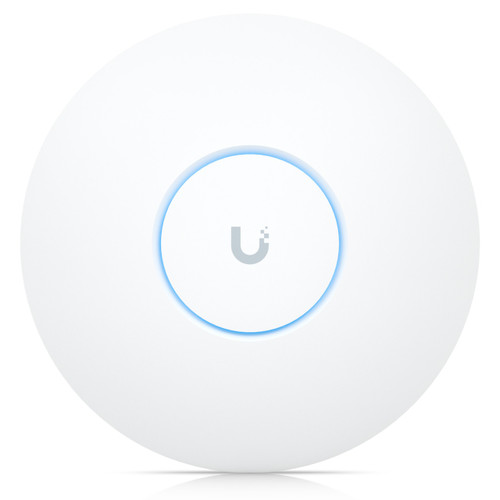
The UAP-AC-M-5-US is rated at 1,750 Mbps aggregate dual-band throughput and operates on standard 802.11AC (Wi-Fi 5). The UAP-AC-HD-5-US raises that ceiling to 2,533 Mbps aggregate and operates on 802.11AC Wave 2, which adds MU-MIMO capability allowing simultaneous transmission to multiple clients rather than sequential polling. The throughput delta across the 5-pack is meaningful in practice: the AC-HD pack collectively supports roughly 44% more aggregate bandwidth than the AC-M pack. For deployments where concurrent client counts per AP are moderate—the AC-M spec sheet cites 20–50 clients per AP—the AC-M's 1,750 Mbps is generally sufficient. For high-density scenarios with significantly more simultaneous clients per AP, the AC-HD's Wave 2 MU-MIMO architecture and higher throughput rating provide a tangible capacity advantage. No per-radio (2.4 GHz vs. 5 GHz) split is provided in the supplied specs for either model.
What are the PoE power requirements and environmental operating ranges for each pack?
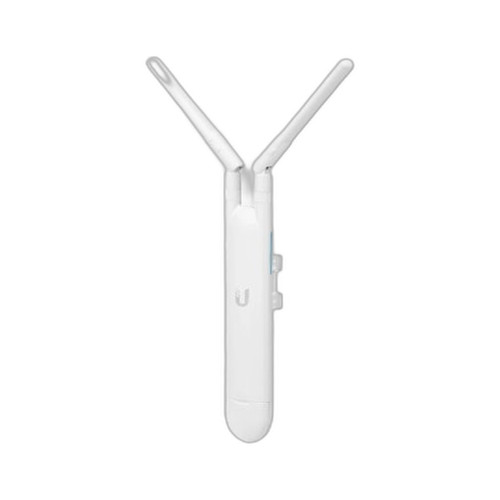
The UAP-AC-M-5-US is powered via 802.3af PoE or 24V Passive PoE (pairs 4,5+; 7,8 return) and ships with a 24V, 0.5A Gigabit PoE adapter per unit. Its operating temperature range is specified at -30 to 70°C (-22 to 158°F), and it is rated for both indoor and outdoor use with wall and pole mounting options, making it suitable for outdoor deployments. The UAP-AC-HD-5-US requires PoE+ and is listed at 90W per unit power consumption, placing aggregate PoE demand for the 5-pack at 450W—a critical switch-selection factor. The AC-HD's operating temperature range and outdoor rating are not stated in the provided specifications. Buyers deploying the AC-HD pack must verify their PoE switch delivers compliant PoE+ on all ports simultaneously. The AC-M's lower power draw and confirmed outdoor/wide-temperature rating give it a clear advantage in distributed or outdoor-adjacent installations.
Which pack is better suited to its target deployment scale, and how do they compare on management and physical installation?
Both packs are managed identically through the UniFi Network Controller, supporting centralized firmware updates, RF policy, guest networks, and roaming configuration across all five APs—no differentiation on the management plane. Physical installation differs: the UAP-AC-M-5-US supports wall and pole mounting with a wireless uplink capability noted in the specs, enabling flexible mesh-style placement without running Ethernet to every AP. The 5-pack weighs 3.4 lbs total (packaged). The UAP-AC-HD-5-US is positioned for high-density enterprise indoor use per its spec tagline; its packaged dimensions are 10.20 × 11.30 × 10.30 inches and the 5-pack weighs 15.6 lbs, reflecting a larger physical footprint per unit. Mounting options and wireless uplink capability are not specified for the AC-HD in the provided data. Certifications (CE, FCC, IC) are listed only for the AC-M; certification status for the AC-HD is absent from the provided specs.
Which should you choose: the UAP-AC-M-5-US or the UAP-AC-HD-5-US?
Our take: The UAP-AC-M-5-US is the stronger choice when deploying across mixed indoor/outdoor environments, distributed sites, or mid-scale networks with 20–50 concurrent clients per AP, while the UAP-AC-HD-5-US is the stronger choice for high-density enterprise indoor deployments demanding maximum throughput. The AC-HD delivers 2,533 Mbps aggregate versus the AC-M's 1,750 Mbps—a 783 Mbps difference—and adds 802.11AC Wave 2 MU-MIMO capability absent from the AC-M. However, the AC-HD requires PoE+ at 90W per unit (450W across the pack), versus the AC-M's 802.3af or 24V passive PoE at a fraction of that draw—a significant infrastructure cost delta. The AC-M also carries a confirmed -30 to 70°C operating range and outdoor rating; neither is specified for the AC-HD. Both packs share the UniFi Controller management platform, so the decision turns on client density, PoE infrastructure budget, and whether outdoor or harsh-environment placement is required.
Side-by-Side Comparison
Spec-for-spec, from manufacturer data.
| Specification | Ubiquiti UAP-AC-M-5-US | Ubiquiti UAP-AC-HD-5-US |
|---|---|---|
| Wi-Fi Standard | 802.11AC (Wi-Fi 5) | 802.11AC Wave 2 (Wi-Fi 5) |
| Aggregate Throughput | 1,750 Mbps | 2,533 Mbps |
| MU-MIMO | — | Yes (Wave 2) |
| Frequency Bands | 2.4 GHz and 5 GHz | Dual-band 2.4 GHz and 5 GHz |
| PoE Standard | 802.3af / 24V Passive PoE | PoE+ |
| Power Consumption (per unit) | — | 90W |
| PoE Adapter Included | 24V, 0.5A Gigabit PoE Adapter | — |
| Operating Temperature | -30 to 70°C (-22 to 158°F) | — |
| Indoor/Outdoor Rating | Indoor/Outdoor | — |
| Mount Types | Wall; Pole | — |
| Wireless Uplink | Yes | — |
| Ethernet Ports (per unit) | 1x 10/100/1000 | — |
| Pack Weight | 3.4 lbs (5-pack packaged) | 15.6 lbs (5-pack) |
| Packaged Dimensions | 5.60 x 9.40 x 9.90 in | 10.20 x 11.30 x 10.30 in |
| Management | UniFi Network Controller | UniFi Network Controller |
| Certifications | CE, FCC, IC | — |
Frequently Asked Questions
Which should you choose: the UAP-AC-M-5-US or the UAP-AC-HD-5-US?
The UAP-AC-M-5-US is the stronger choice when deploying across mixed indoor/outdoor environments, distributed sites, or mid-scale networks with 20–50 concurrent clients per AP, while the UAP-AC-HD-5-US is the stronger choice for high-density enterprise indoor deployments demanding maximum throughput. The AC-HD delivers 2,533 Mbps aggregate versus the AC-M's 1,750 Mbps—a 783 Mbps difference—and adds 802.11AC Wave 2 MU-MIMO capability absent from the AC-M. However, the AC-HD requires PoE+ at 90W per unit (450W across the pack), versus the AC-M's 802.3af or 24V passive PoE at a fraction of that draw—a significant infrastructure cost delta. The AC-M also carries a confirmed -30 to 70°C operating range and outdoor rating; neither is specified for the AC-HD. Both packs share the UniFi Controller management platform, so the decision turns on client density, PoE infrastructure budget, and whether outdoor or harsh-environment placement is required.
Is the UAP-AC-M-5-US or UAP-AC-HD-5-US better for larger, high-density deployments?
The UAP-AC-HD-5-US is specified for high-density enterprise deployments, with 2,533 Mbps aggregate throughput and 802.11AC Wave 2 MU-MIMO—both designed to serve more concurrent clients simultaneously per AP than the AC-M's 1,750 Mbps standard 802.11AC. If your deployment involves densely packed users (conference centers, open-plan offices, auditoriums), the AC-HD is the appropriate choice based on the provided specifications.
Can I use existing 802.3af PoE switches with either 5-pack?
The UAP-AC-M-5-US is compatible with 802.3af PoE (as well as 24V Passive PoE), so standard 802.3af switches will power it. The UAP-AC-HD-5-US requires PoE+, which delivers higher wattage than 802.3af. The AC-HD's per-unit power consumption is listed at 90W in the provided specs, which exceeds standard PoE+ (30W per port) as well, so buyers should verify switch compatibility carefully before purchasing.
Which pack is suitable for outdoor installation?
Based on the provided specifications, only the UAP-AC-M-5-US is explicitly rated for outdoor use, with an operating temperature range of -30 to 70°C and support for wall and pole mounting. The UAP-AC-HD-5-US is described in its spec tagline as targeting enterprise deployments, but no outdoor rating or operating temperature range is provided in the supplied data. For outdoor installations, the AC-M is the documented choice.
More Wireless Access Point Comparisons
Get a Second Opinion on Your Camera Choice
Share your site layout, coverage goals, and budget. Our team will validate the camera selection, flag anything we would change, and recommend products that match the use case.