
Ubiquiti UK-ULTRA vs TP-Link EAP225-OUTDOOR: Specification Comparison
Both the Ubiquiti UK-ULTRA and TP-Link EAP225-OUTDOOR are WiFi 5 (802.11ac) dual-band outdoor access points designed for single-cable PoE deployment in environments where weather resistance is mandatory. This comparison covers the three dimensions that drive purchasing decisions for outdoor APs: RF throughput and radio specifications, physical durability and environmental ratings, and power, mounting, and management characteristics. Neither product is an NVR, switch, or accessory — both are directly comparable outdoor wireless infrastructure units a buyer would evaluate side by side.
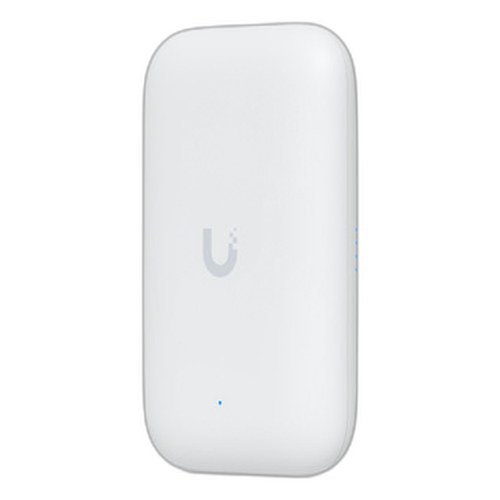
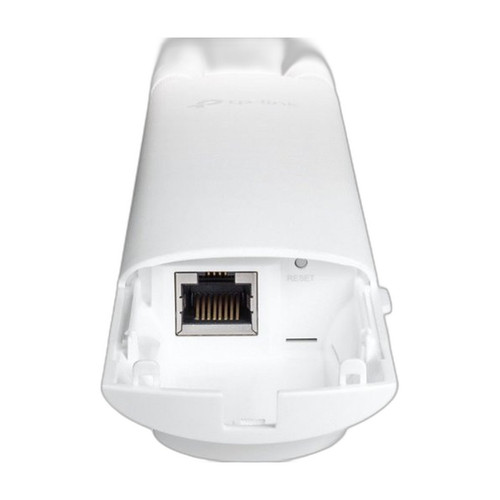
In This Guide
- How do the RF throughput and radio specifications compare between the UK-ULTRA and EAP225-OUTDOOR?
- Which unit offers stronger physical durability and environmental protection for outdoor deployment?
- How do power requirements, mounting options, and management compare?
- Which should you choose: the UK-ULTRA or the EAP225-OUTDOOR?
- Side-by-Side Specs
- FAQ
How do the RF throughput and radio specifications compare between the UK-ULTRA and EAP225-OUTDOOR?
Both units deliver nearly identical aggregate throughput figures. The Ubiquiti UK-ULTRA specifies 866.7 Mbps on 5 GHz and 300 Mbps on 2.4 GHz. The TP-Link EAP225-OUTDOOR is marketed as AC1200, which corresponds to 867 Mbps on 5 GHz and 300 Mbps on 2.4 GHz — a rounding-level difference of 0.3 Mbps on the 5 GHz band that is not operationally meaningful.
The UK-ULTRA's provided specifications include explicit channel bandwidth detail: HT 20/40 (2.4 GHz), VHT 20/40/80, and HE 20/40/80 (MHz) on 5 GHz, confirming 80 MHz VHT support consistent with 866.7 Mbps MCS9 rates. The EAP225-OUTDOOR's channel bandwidth support is not specified in the provided data. The UK-ULTRA also documents VLAN support with 8 BSSIDs per radio; VLAN or multi-SSID capability for the EAP225-OUTDOOR is not specified in the provided data.
Which unit offers stronger physical durability and environmental protection for outdoor deployment?
The two products differ on ingress protection rating and operating temperature floor. The TP-Link EAP225-OUTDOOR carries an IP65 rating, which certifies complete dust ingress protection (6) and protection against water jets from any direction (5). The Ubiquiti UK-ULTRA carries an IPX6 rating — the X indicates dust ingress protection is not rated by the provided specification, while the 6 certifies protection against powerful water jets.
On operating temperature, the EAP225-OUTDOOR is specified for −30°C to 65°C. The UK-ULTRA is specified for −40°C to 60°C, giving it a 10°C advantage at the cold end (relevant for northern climates, unheated enclosures, and high-altitude sites) while the EAP225-OUTDOOR has a 5°C advantage at the upper limit. The UK-ULTRA enclosure material is documented as UV-stabilized polycarbonate with SGCC steel mount hardware. Enclosure material for the EAP225-OUTDOOR is not specified in the provided data.
The UK-ULTRA additionally specifies a wind loading rating of 33.2 N at 200 km/h (7.5 lbf at 125 mph), a structural parameter relevant for exposed pole mounts in high-wind zones. No equivalent wind loading figure is provided for the EAP225-OUTDOOR.
How do power requirements, mounting options, and management compare?
Both units use PoE as their power source over a single Ethernet cable. The UK-ULTRA specifies 802.3af compatibility (44–57V DC) with a maximum draw of 8W. The EAP225-OUTDOOR specifies PoE 802.3af input at under 13W — both are 802.3af-compatible, but the UK-ULTRA's 8W ceiling is lower, drawing less budget from a shared PoE switch.
Both units provide one Gigabit Ethernet RJ45 port as their uplink. The UK-ULTRA documents its weight at 173 g and its physical dimensions as 137 × 84 × 34 mm, and specifies a 1–2 inch (25–50 mm) pole mount as its intended mounting method with the mount included. Dimensions, weight, and mounting specifications for the EAP225-OUTDOOR are not provided in the available data.
The UK-ULTRA lists management via Ethernet and notes NDAA compliance. The EAP225-OUTDOOR's management interface and NDAA status are not specified in the provided data. The UK-ULTRA holds CE, FCC, IC, and Anatel certifications; certifications for the EAP225-OUTDOOR are not specified in the provided data.
Which should you choose: the UK-ULTRA or the EAP225-OUTDOOR?
Our take: The UK-ULTRA is the stronger choice when cold-climate tolerance, documented wind resistance, or NDAA compliance are project requirements. At the cold end, the UK-ULTRA is rated to −40°C versus the EAP225-OUTDOOR's −30°C — a 10°C advantage meaningful for northern outdoor deployments. The UK-ULTRA also carries a documented wind load rating of 33.2 N at 200 km/h and draws only 8W maximum versus the EAP225-OUTDOOR's under-13W figure, preserving more headroom on shared PoE budgets. The EAP225-OUTDOOR holds an IP65 dust-seal rating where the UK-ULTRA's IPX6 leaves dust ingress unrated — a meaningful differentiator in dusty industrial or agricultural environments. RF throughput is functionally identical between the two (866.7 vs 867 Mbps on 5 GHz). Buyers deploying on Ubiquiti UniFi infrastructure will find the UK-ULTRA a natural fit; buyers running TP-Link Omada networks should favor the EAP225-OUTDOOR for controller compatibility.
Side-by-Side Comparison
Spec-for-spec, from manufacturer data.
| Specification | Ubiquiti UK-ULTRA | TP-Link EAP225-OUTDOOR |
|---|---|---|
| WiFi Standard | WiFi 5 (802.11ac) | WiFi 5 (802.11ac) |
| 5 GHz Throughput | 866.7 Mbps | 867 Mbps |
| 2.4 GHz Throughput | 300 Mbps | 300 Mbps |
| Uplink Port | 1× GbE RJ45 | 1× GbE RJ45 |
| Power Input | PoE 802.3af (44–57V DC) | PoE 802.3af |
| Max Power Draw | 8W | Under 13W |
| IP / Ingress Rating | IPX6 (water jets; dust not rated) | IP65 (dust-tight + water jets) |
| Operating Temp (Low) | −40°C | −30°C |
| Operating Temp (High) | 60°C | 65°C |
| Wind Load Rating | 33.2 N at 200 km/h | — |
| Dimensions | 137 × 84 × 34 mm | — |
| Weight | 173 g (6.1 oz) | — |
| Mount Type | Pole mount 1–2 in (25–50 mm) | — |
| Enclosure Material | UV-stabilized polycarbonate | — |
| VLAN / Multi-SSID | Yes (8 BSSIDs per radio) | — |
| NDAA Compliant | Yes | — |
Frequently Asked Questions
Which should you choose: the UK-ULTRA or the EAP225-OUTDOOR?
The UK-ULTRA is the stronger choice when cold-climate tolerance, documented wind resistance, or NDAA compliance are project requirements. At the cold end, the UK-ULTRA is rated to −40°C versus the EAP225-OUTDOOR's −30°C — a 10°C advantage meaningful for northern outdoor deployments. The UK-ULTRA also carries a documented wind load rating of 33.2 N at 200 km/h and draws only 8W maximum versus the EAP225-OUTDOOR's under-13W figure, preserving more headroom on shared PoE budgets. The EAP225-OUTDOOR holds an IP65 dust-seal rating where the UK-ULTRA's IPX6 leaves dust ingress unrated — a meaningful differentiator in dusty industrial or agricultural environments. RF throughput is functionally identical between the two (866.7 vs 867 Mbps on 5 GHz). Buyers deploying on Ubiquiti UniFi infrastructure will find the UK-ULTRA a natural fit; buyers running TP-Link Omada networks should favor the EAP225-OUTDOOR for controller compatibility.
Which unit handles colder outdoor temperatures better — the UK-ULTRA or the EAP225-OUTDOOR?
The UK-ULTRA is rated to −40°C at the low end; the EAP225-OUTDOOR is rated to −30°C. For deployments in northern climates, high-altitude sites, or unheated enclosures where temperatures can drop below −30°C, the UK-ULTRA's specification provides a 10°C margin the EAP225-OUTDOOR does not.
Does either access point have an advantage in dusty or particle-heavy environments?
Yes. The TP-Link EAP225-OUTDOOR carries an IP65 rating, which includes a dust-tight (6) seal. The Ubiquiti UK-ULTRA is rated IPX6 — the 'X' means dust ingress protection is not rated per the provided specification. For sawmill, agriculture, quarry, or similar dusty outdoor sites, the EAP225-OUTDOOR's IP65 rating is the documented advantage.
Is the UK-ULTRA or EAP225-OUTDOOR better for a mixed controller environment where NDAA compliance matters?
The UK-ULTRA explicitly lists NDAA compliance in its specifications; the EAP225-OUTDOOR's NDAA status is not specified in the available data. For federal, state, or municipal projects with NDAA Section 889 procurement requirements, the UK-ULTRA is the only unit with a documented compliance claim in this comparison.
More Wireless Access Point Comparisons
Get a Second Opinion on Your Camera Choice
Share your site layout, coverage goals, and budget. Our team will validate the camera selection, flag anything we would change, and recommend products that match the use case.