
Speco Technologies ZIPK4T2 vs Hanwha HRX-435: Specification Comparison
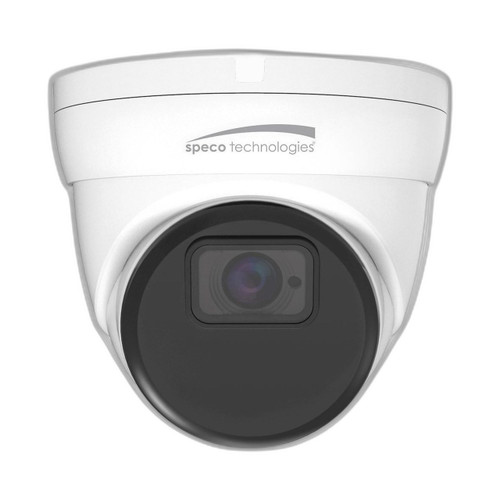
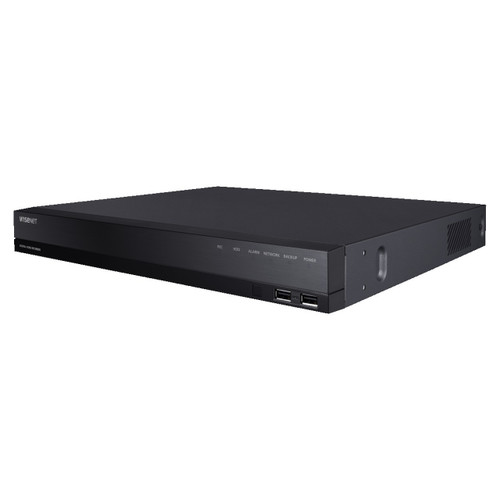
The Speco ZIPK4T2 and Hanwha HRX-435 are both 4-channel security recorders, but they represent two distinct recorder architectures that installers sometimes cross-shop at the same channel count: the ZIPK4T2 is an all-IP NVR bundled with five 5MP PoE cameras, while the HRX-435 is a standalone pentabrid DVR that accepts analog (AHD/HDTVI/HDCVI/CVBS) inputs up to 8MP plus up to 6 additional IP channels. Buyers choosing between them are weighing an out-of-box IP kit against a flexible analog-plus-IP hybrid recorder.
In This Guide
- How do the two differ in channel capacity, camera compatibility, and maximum resolution?
- What are the storage capacities, power requirements, and operating environment ratings?
- How do the two products compare on integration, remote access, and management software ecosystems?
- Which should you choose: the ZIPK4T2 or the HRX-435?
- Side-by-Side Specs
- FAQ
How do the two differ in channel capacity, camera compatibility, and maximum resolution?
The ZIPK4T2 is a 4-channel NVR that accepts IP cameras only; the included cameras deliver 5MP (2560×1920) resolution, and H.265 compression is specified. No spec indicates the NVR supports additional channels beyond 4, and no analog input is listed.
The HRX-435 supports 4 analog BNC inputs accepting AHD, HDTVI, HDCVI, and CVBS signals at up to 8MP, plus up to 6 IP network camera channels (ONVIF / SUNAPI), for a potential combined maximum of 6 simultaneous channels (per the 'Max. 6CH' live display and playback specs). Analog recording is specified at up to 8MP at 8fps per channel, or 2MP at 30fps per channel. H.265, H.264, and MJPEG compression are all listed for the HRX-435.
For resolution ceiling, the HRX-435's 8MP analog capability exceeds the ZIPK4T2's 5MP camera spec. However, the ZIPK4T2 ships as a complete kit with cameras included; the HRX-435 is a recorder only—cameras must be sourced separately.
What are the storage capacities, power requirements, and operating environment ratings?
The ZIPK4T2 includes a 1TB pre-installed hard drive; no additional HDD slot count or maximum capacity is specified in the provided specs. The NVR is powered at 48VDC 1.2A; the included cameras are PoE (802.3af). Camera operating temperature is stated as -22°F to 131°F (-30°C to 55°C) with IP66 weather resistance. NVR operating temperature is not separately stated in the provided specs.
The HRX-435 provides two SATA slots supporting up to 6TB per drive, for a stated maximum of 12TB total storage—a significantly larger storage ceiling. Operating temperature for the HRX-435 is 0°C to +40°C (+32°F to +104°F), and no outdoor or ingress-protection rating is listed (the unit is a rack-mount DVR, not an outdoor device). Power input is DC 12V with a maximum draw of 40W (with four 6TB HDDs installed). No pre-installed drive is specified.
The HRX-435's dual-SATA, up-to-12TB capacity substantially exceeds the ZIPK4T2's 1TB pre-installed drive for long-term retention. The ZIPK4T2's included IP66-rated cameras and wide temperature range are relevant only for the camera endpoints, not the NVR unit itself.
How do the two products compare on integration, remote access, and management software ecosystems?
The ZIPK4T2 specs list an RJ-45 100/1000M port and PoE (802.3af) camera power delivery. No VMS platform, mobile app, ONVIF profile, alarm I/O count, or remote user limit is specified in the provided data.
The HRX-435 provides a substantially documented integration profile: ONVIF Profile-S, SUNAPI, RTP/RTSP/HTTP/CGI protocol support, Wisenet DDNS, P2P QR Code setup, and compatibility with SSM, Webviewer, SmartViewer, and Wisenet Mobile (iOS and Android). Alarm I/O is 4 inputs and 2 relay outputs. Remote user limits are stated as 10 live unicast, 20 multicast, and 3 simultaneous search sessions. RS-485/422 serial port supports PTZ control via Pelco-D, Pelco-P, and Samsung-T protocols. Coaxial control (CVBS Pelco-C, AHD, CVI, TVI) is also listed. 802.1x authentication, ID/PW encryption, and recording/transmission encryption are specified.
The HRX-435 carries a far more detailed and verified integration specification. The ZIPK4T2's integration capabilities beyond basic PoE networking are not described in the provided specs, making direct comparison on VMS compatibility, alarm I/O, or remote access limits impossible from the available data.
Which should you choose: the ZIPK4T2 or the HRX-435?
Our take: The ZIPK4T2 is the stronger choice when a buyer needs an immediately deployable, all-IP outdoor camera kit with no existing analog infrastructure and a constrained budget for commissioning time. It ships with four 5MP IP66-rated cameras, PoE connectivity, and H.265 compression on a 1TB drive, ready to mount. The HRX-435 is the stronger choice when the installation involves existing analog cameras (AHD/HDTVI/HDCVI/CVBS at up to 8MP), requires larger on-site storage (dual SATA, up to 12TB versus 1TB pre-installed), or demands documented enterprise integration: the HRX-435 specifies ONVIF Profile-S, SUNAPI, 4 alarm inputs, 2 relay outputs, and verified compatibility with Wisenet VMS and mobile platforms—none of which are specified for the ZIPK4T2. Buyers on Hanwha's Wisenet ecosystem or migrating from analog coax should specify the HRX-435; greenfield all-IP small sites wanting a turnkey outdoor kit should specify the ZIPK4T2.
Side-by-Side Comparison
Spec-for-spec, from manufacturer data.
| Specification | Speco Technologies ZIPK4T2 | Hanwha HRX-435 |
|---|---|---|
| Recorder Type | NVR (IP only) | Pentabrid DVR (analog + IP) |
| Analog Inputs | — | 4 × BNC (AHD/HDTVI/HDCVI/CVBS) |
| IP Camera Channels | 4 (max per specs) | Up to 6 (max simultaneous) |
| Max Camera Resolution | 5MP (2560×1920) | 8MP (analog); 8MP (IP) |
| Video Compression | H.265 | H.265, H.264, MJPEG |
| Analog Record Rate | — | 30fps max (2MP); 8fps (8MP) |
| HDD Slots | Not specified (1TB pre-installed) | 2 × SATA (up to 12TB total) |
| Included Storage | 1TB pre-installed | None specified |
| Cameras Included | 4 × 5MP IP66 outdoor IR PoE | None (recorder only) |
| PoE Output | Yes (802.3af) | — |
| Alarm I/O | — | 4 in / 2 relay out |
| ONVIF Support | — | Yes (Profile-S) |
| Remote Live Users (max) | — | 10 unicast / 20 multicast |
| Display Outputs | — | 1 × HDMI (4K) + 1 × VGA (1080p) |
| Operating Temperature | -22°F to 131°F (cameras) | 32°F to 104°F (0°C to +40°C) |
| Warranty | 3 years | — |
Frequently Asked Questions
Which should you choose: the ZIPK4T2 or the HRX-435?
The ZIPK4T2 is the stronger choice when a buyer needs an immediately deployable, all-IP outdoor camera kit with no existing analog infrastructure and a constrained budget for commissioning time. It ships with four 5MP IP66-rated cameras, PoE connectivity, and H.265 compression on a 1TB drive, ready to mount. The HRX-435 is the stronger choice when the installation involves existing analog cameras (AHD/HDTVI/HDCVI/CVBS at up to 8MP), requires larger on-site storage (dual SATA, up to 12TB versus 1TB pre-installed), or demands documented enterprise integration: the HRX-435 specifies ONVIF Profile-S, SUNAPI, 4 alarm inputs, 2 relay outputs, and verified compatibility with Wisenet VMS and mobile platforms—none of which are specified for the ZIPK4T2. Buyers on Hanwha's Wisenet ecosystem or migrating from analog coax should specify the HRX-435; greenfield all-IP small sites wanting a turnkey outdoor kit should specify the ZIPK4T2.
Can the HRX-435 use the same IP cameras included with the ZIPK4T2?
Potentially, but this cannot be confirmed from the provided specs alone. The HRX-435 supports ONVIF Profile-S and SUNAPI IP cameras on up to 6 network channels; whether the Speco cameras included in the ZIPK4T2 kit are ONVIF-compliant is not stated in the ZIPK4T2 specs. Verify ONVIF profile support with Speco before assuming interoperability.
Is the ZIPK4T2 or HRX-435 better suited for a site that already has analog coax cabling?
The HRX-435 is the appropriate choice for existing analog coax infrastructure. It accepts AHD, HDTVI, HDCVI, and CVBS signals on 4 BNC inputs at up to 8MP, and supports coaxial PTZ control. The ZIPK4T2 is an IP-only NVR; no analog BNC input is listed in its specifications.
Which recorder supports longer video retention out of the box?
The HRX-435 supports up to 12TB across its two SATA slots (no drive included per the specs). The ZIPK4T2 ships with a 1TB pre-installed drive and no additional HDD capacity is specified. For longer retention, the HRX-435's 12TB ceiling provides significantly more headroom, though drives must be purchased and installed separately.
Get a Second Opinion on Your Camera Choice
Share your site layout, coverage goals, and budget. Our team will validate the camera selection, flag anything we would change, and recommend products that match the use case.