
Speco Technologies ZIP8T2B vs Speco Technologies ZIPK8T2: Specification Comparison
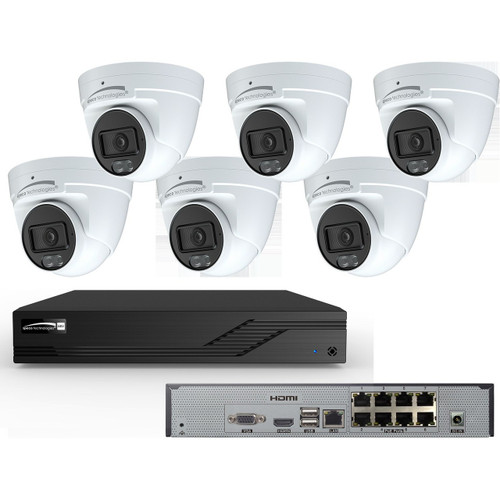
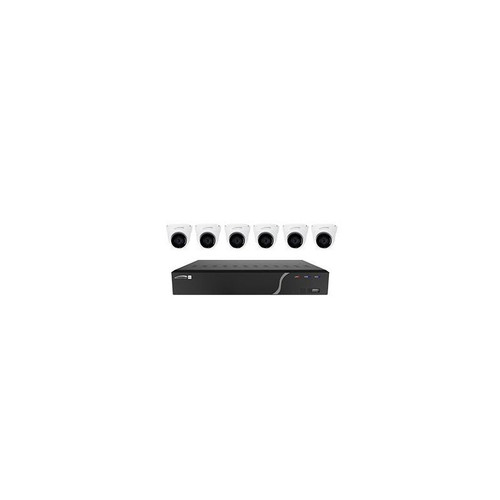
Both the ZIP8T2B and ZIPK8T2 are Speco Technologies 8-channel NVR kits bundled with six fixed-dome IP cameras, 2TB onboard storage, and PoE connectivity — placing them squarely in the same entry-to-mid-tier IP surveillance kit category. The key differentiators are camera resolution (4MP vs. 5MP), IP environmental rating, IR night-vision range, and low-light feature implementation. Buyers comparing these two kits are typically weighing image detail and night-vision performance against each other within a matched channel count, storage, and compression baseline.
In This Guide
- Which kit delivers higher image resolution and better low-light performance?
- Which kit is better suited for outdoor and harsh-environment deployment?
- Are the NVR recording capacity, compression, and expansion options equivalent between the two kits?
- Which should you choose: the ZIP8T2B or the ZIPK8T2?
- Side-by-Side Specs
- FAQ
Which kit delivers higher image resolution and better low-light performance?
The ZIP8T2B includes six O4KT1 turret cameras at 4MP (2688×1520), providing adequate detail for face identification at 10–12 ft according to the product specs. Its low-light capability is described as IR with Day/Night switching, supplemented by WDR. No IR distance is specified in the provided data.
The ZIPK8T2 ships with six 5MP (2592×1944) outdoor IR dome cameras, a 25% pixel-count increase over the ZIP8T2B. The specs explicitly state a 100 ft IR range and True Day/Night operation, plus DWDR (Digital Wide Dynamic Range). The higher pixel count and documented IR throw give the ZIPK8T2 a measurable edge in both daytime resolution and low-light perimeter coverage.
Neither kit's datasheet specifies sensor size, minimum illumination (lux), or frame rate per resolution tier, so comparisons beyond stated pixel count and IR distance cannot be made from the provided specs.
Which kit is better suited for outdoor and harsh-environment deployment?
The ZIPK8T2 cameras carry an explicit IP66 ingress-protection rating, confirming dust-tight and heavy-rain resistance. Operating temperature is stated as −22°F to 131°F. The product is described as an outdoor-rated fixed dome.
The ZIP8T2B's camera (O4KT1) is described as a turret form factor with wall and ceiling mount support. No IP rating is listed in the provided specifications, and no outdoor/indoor classification is stated. The NVR side lists an operating temperature of −22°F to 140°F, but it is not clear whether that figure applies to the cameras or the recorder chassis.
For confirmed outdoor or exposed installations, only the ZIPK8T2 provides a documented IP66 rating. Installers requiring a certified environmental spec for the ZIP8T2B cameras would need to consult the datasheet at /content/product-datasheets/ZIP8T2B.pdf, as the provided specs do not include an IP rating.
Are the NVR recording capacity, compression, and expansion options equivalent between the two kits?
Both kits include an 8-channel NVR with 2TB internal storage and support H.265 and H.264 compression. H.265 reduces bitrate versus H.264, extending effective retention at equivalent quality — both models support this codec.
The ZIP8T2B spec notes that the 8-channel NVR supports two camera expansion slots beyond the six included cameras, allowing growth to up to eight cameras without hardware replacement. No equivalent expansion note appears in the ZIPK8T2 specifications as provided.
The ZIP8T2B cameras are noted as compatible only with ZIP4T1B and ZIP8T2B NVRs, indicating a proprietary pairing. The ZIPK8T2 specs reference ONVIF is not explicitly stated in the provided data; neither kit lists third-party NVR compatibility beyond their bundled recorder. Both kits share ONVIF Profile S on the ZIP8T2B side; the ZIPK8T2 provided specs do not list an ONVIF declaration.
Which should you choose: the ZIP8T2B or the ZIPK8T2?
Our take: The ZIPK8T2 is the stronger choice when outdoor environmental durability and night-vision range are the primary requirements. Its cameras carry a documented IP66 rating versus no stated IP rating for the ZIP8T2B, its 5MP (2592×1944) sensors outresolve the ZIP8T2B's 4MP (2688×1520) cameras, and its 100 ft IR throw is explicitly specified where the ZIP8T2B lists no IR distance. The ZIP8T2B holds a narrow counterpoint: its NVR spec documents two open expansion slots for future camera growth to eight channels, and its cameras' O4KT1 model number confirms a verified platform pairing with the included recorder. For interior lobbies, retail floors, or climate-controlled environments where outdoor ingress protection is not required, the ZIP8T2B's expansion headroom and confirmed turret form factor may suit the deployment. For perimeter, parking, or any exposed outdoor application, the ZIPK8T2's IP66 rating and longer IR distance make it the specification-supported choice.
Side-by-Side Comparison
Spec-for-spec, from manufacturer data.
| Specification | Speco Technologies ZIP8T2B | Speco Technologies ZIPK8T2 |
|---|---|---|
| SKU | ZIP8T2B | ZIPK8T2 |
| NVR Channels | 8 | 8 |
| Cameras Included | 6 | 6 |
| Camera Resolution | 4MP (2688×1520) | 5MP (2592×1944) |
| Camera Form Factor | Turret | Fixed dome |
| IP Rating (Camera) | — | IP66 |
| IR Night Vision | IR / Day-Night (range not specified) | True Day/Night, 100 ft IR |
| WDR / DWDR | WDR | DWDR |
| Lens Focal Length | 2.8 mm | 2.8 mm (fixed) |
| Storage | 2TB integrated | 2TB onboard |
| Compression | H.265, H.264 | H.265, H.264 |
| ONVIF | Profile S | — |
| PoE Standard | 802.3af | 802.3af |
| Camera Power Consumption | — | 7W per camera |
| Operating Temperature (Camera) | —22°F to 140°F (NVR spec) | −22°F to 131°F |
| Warranty | 3-year | 3-year |
| NVR Expansion Slots | 2 open slots (up to 8 total) | — |
| Housing Color | White | White |
Frequently Asked Questions
Which should you choose: the ZIP8T2B or the ZIPK8T2?
The ZIPK8T2 is the stronger choice when outdoor environmental durability and night-vision range are the primary requirements. Its cameras carry a documented IP66 rating versus no stated IP rating for the ZIP8T2B, its 5MP (2592×1944) sensors outresolve the ZIP8T2B's 4MP (2688×1520) cameras, and its 100 ft IR throw is explicitly specified where the ZIP8T2B lists no IR distance. The ZIP8T2B holds a narrow counterpoint: its NVR spec documents two open expansion slots for future camera growth to eight channels, and its cameras' O4KT1 model number confirms a verified platform pairing with the included recorder. For interior lobbies, retail floors, or climate-controlled environments where outdoor ingress protection is not required, the ZIP8T2B's expansion headroom and confirmed turret form factor may suit the deployment. For perimeter, parking, or any exposed outdoor application, the ZIPK8T2's IP66 rating and longer IR distance make it the specification-supported choice.
Is the ZIP8T2B or ZIPK8T2 better for outdoor perimeter coverage?
Based on the provided specifications, the ZIPK8T2 is the appropriate choice for outdoor use. Its cameras are rated IP66 (dust-tight, rain-resistant) and carry a documented 100 ft IR range. The ZIP8T2B's camera specs do not include an IP ingress rating, and no IR distance is stated, making it impossible to confirm outdoor suitability from the available data.
Do both kits support future camera expansion?
The ZIP8T2B spec explicitly states the 8-channel NVR includes two open expansion slots, allowing the addition of up to two more cameras beyond the six included without replacing the recorder. The ZIPK8T2 specifications as provided do not mention available expansion slots. Buyers planning phased expansion should verify ZIPK8T2 expansion capability directly with Speco Technologies or the product datasheet.
Which kit offers better image detail — the ZIP8T2B or the ZIPK8T2?
The ZIPK8T2 cameras resolve at 5MP (2592×1944), versus 4MP (2688×1520) for the ZIP8T2B — approximately 25% more pixels per frame. Both kits use H.265 and H.264 compression. Neither kit's provided specs include minimum illumination (lux) figures or frame rate data, so the resolution advantage of the ZIPK8T2 is confirmed but a full low-light image-quality comparison cannot be made from the specs as supplied.
Get a Second Opinion on Your Camera Choice
Share your site layout, coverage goals, and budget. Our team will validate the camera selection, flag anything we would change, and recommend products that match the use case.