
Sato WD312-405DW-EX1-2 vs Zebra ZT51042-T110000Z: Specification Comparison
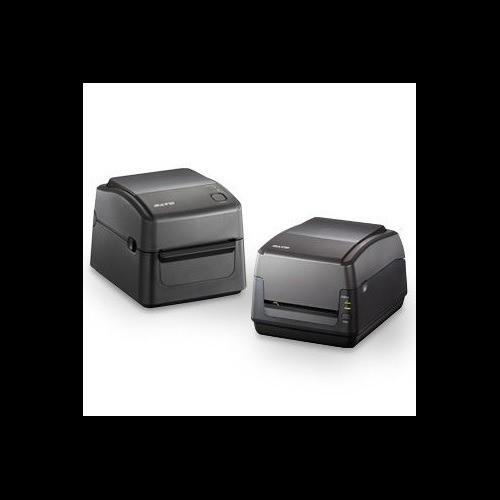
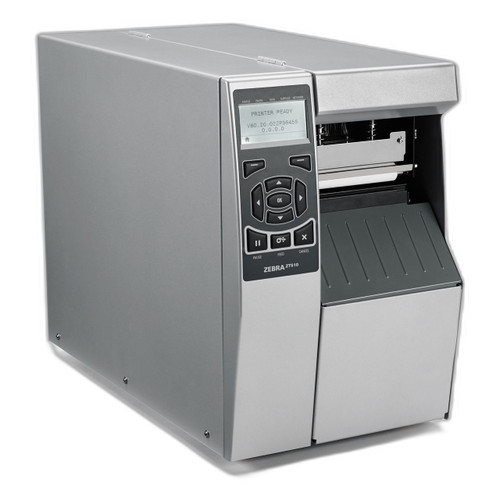
Both the Sato WS4 WD312-405DW-EX1-2 and the Zebra ZT51042-T110000Z are desktop-class, 203 DPI direct thermal/thermal transfer label printers targeting 4-inch media widths — a category commonly cross-shopped by warehouse, logistics, retail, and light-industrial buyers seeking a compact, networked barcode printing solution. This comparison evaluates their connectivity and interface breadth, physical and media handling characteristics, and memory and processing resources, drawing strictly from the specifications provided for each unit.
In This Guide
- Which printer offers broader connectivity and interface options for your network environment?
- How do the two printers compare on media handling range, print speed, and finishing capabilities?
- Which unit has more onboard memory and processing headroom, and what are the physical deployment considerations?
- Which should you choose: the WD312-405DW-EX1-2 or the ZT51042-T110000Z?
- Side-by-Side Specs
- FAQ
Which printer offers broader connectivity and interface options for your network environment?
The Sato WD312-405DW-EX1-2 provides four documented interfaces: USB, Ethernet (wired LAN), Wi-Fi, and Bluetooth. The inclusion of wired Ethernet makes it suitable for fixed workstation deployments where network stability is prioritized, while Bluetooth adds a pairing option for mobile host devices. RS-232C (serial) is also noted in the spec sheet, extending legacy system compatibility.
The Zebra ZT51042-T110000Z lists only Wi-Fi as its documented connectivity option in the provided specifications. No wired Ethernet, Bluetooth, or serial interface is confirmed in the data supplied. For environments requiring a wired network drop or serial host connection, this is a meaningful gap — buyers should verify against Zebra's full datasheet before assuming additional ports are present.
How do the two printers compare on media handling range, print speed, and finishing capabilities?
The Sato WD312-405DW-EX1-2 supports media widths from 1.00" to 4.65", a maximum media roll diameter of 5", and a ribbon length up to 984 ft (300 m). Print speed is specified at 6 inches per second (ips), and the unit supports both direct thermal and thermal transfer print methods, giving it flexibility across label stocks including polyester and other non-paper substrates that require a ribbon.
The Zebra ZT51042-T110000Z supports media widths from 0.79" (20 mm) to 4.5" (114 mm) — a slightly wider lower bound and a comparable upper bound to the Sato. A key differentiator is its integrated automated label cutter, which automates label separation and reduces operator handling in continuous or high-volume print runs. Print speed and ribbon specifications are not provided in the supplied data for the Zebra. Print method is listed as 'Thermal (no ink/toner),' but whether thermal transfer is supported is not confirmed by the provided specs.
Which unit has more onboard memory and processing headroom, and what are the physical deployment considerations?
The Sato WD312-405DW-EX1-2 documents 32 MB SDRAM, 16 MB Flash ROM, and 16 MB user storage. These figures are modest by current standards and set practical limits on the number and complexity of stored label formats, fonts, and graphics. The unit weighs 5.46 lbs (2.48 kg) and measures 8.69" × 10.96" × 7.38", consistent with a compact desktop footprint.
The Zebra ZT51042-T110000Z specifies 512 MB RAM — approximately 16 times the SDRAM of the Sato — suggesting substantially greater headroom for complex label formats, larger font libraries, and buffered print jobs. However, Flash/user storage figures are not provided in the supplied specifications. The Zebra's listed weight of 50 lbs (22.7 kg) appears anomalous for a desktop-class 4" printer and is likely a data entry error; buyers should verify with the manufacturer before making physical installation decisions based on this figure.
Which should you choose: the WD312-405DW-EX1-2 or the ZT51042-T110000Z?
Our take: The WD312-405DW-EX1-2 is the stronger choice when multi-interface connectivity, thermal transfer ribbon support, and verified physical specifications are the deciding factors. The Sato provides four confirmed interfaces — USB, Ethernet, Wi-Fi, and Bluetooth — versus only Wi-Fi documented for the Zebra, making it more versatile across mixed network environments. Both units share a 203 DPI resolution and comparable media width ranges (Sato 1"–4.65", Zebra 0.79"–4.5"). The Zebra holds a clear advantage in onboard RAM — 512 MB versus the Sato's 32 MB SDRAM — and adds an integrated label cutter absent from the Sato, making it more capable for high-volume automated print lines. The Sato is better suited for mixed-connectivity, mixed-substrate deployments; the Zebra is preferable where automated cutting and larger memory headroom matter more than interface breadth, provided buyers confirm its full interface complement directly with Zebra.
Side-by-Side Comparison
Spec-for-spec, from manufacturer data.
| Specification | Sato WD312-405DW-EX1-2 | Zebra ZT51042-T110000Z |
|---|---|---|
| Print Resolution | 203 DPI | 203 DPI |
| Print Method | Direct Thermal / Thermal Transfer | Thermal (Transfer support not confirmed) |
| Print Speed | 6 ips | — |
| Max Print Width | 4.09" | 4.0" |
| Media Width Range | 1.00" – 4.65" | 0.79" – 4.5" |
| Max Media Roll Diameter | 5" | — |
| Max Ribbon Length | 984 ft (300 m) | — |
| Connectivity | USB, Ethernet, Wi-Fi, Bluetooth, RS-232C | Wi-Fi only (per supplied specs) |
| Integrated Cutter | — | Yes (automated) |
| RAM | 32 MB SDRAM | 512 MB RAM |
| Flash / ROM | 16 MB | — |
| User Storage | 16 MB | — |
| Supported Symbologies | — | Code 128, Code 39, UPC, EAN, QR Code |
| Form Factor | Desktop | Desktop |
| Weight | 5.46 lbs (2.48 kg) | 50 lbs / 22.7 kg (verify — likely data error) |
| Warranty | 1-year | 1-year |
Frequently Asked Questions
Which should you choose: the WD312-405DW-EX1-2 or the ZT51042-T110000Z?
The WD312-405DW-EX1-2 is the stronger choice when multi-interface connectivity, thermal transfer ribbon support, and verified physical specifications are the deciding factors. The Sato provides four confirmed interfaces — USB, Ethernet, Wi-Fi, and Bluetooth — versus only Wi-Fi documented for the Zebra, making it more versatile across mixed network environments. Both units share a 203 DPI resolution and comparable media width ranges (Sato 1"–4.65", Zebra 0.79"–4.5"). The Zebra holds a clear advantage in onboard RAM — 512 MB versus the Sato's 32 MB SDRAM — and adds an integrated label cutter absent from the Sato, making it more capable for high-volume automated print lines. The Sato is better suited for mixed-connectivity, mixed-substrate deployments; the Zebra is preferable where automated cutting and larger memory headroom matter more than interface breadth, provided buyers confirm its full interface complement directly with Zebra.
Does the Sato WD312-405DW-EX1-2 or the Zebra ZT51042-T110000Z support wired Ethernet?
Based on the provided specifications, only the Sato WD312-405DW-EX1-2 lists wired Ethernet as a confirmed interface. The Zebra ZT51042-T110000Z documentation supplied here lists Wi-Fi only. Buyers requiring a wired LAN connection for the Zebra should verify against Zebra's official datasheet, as additional interfaces may exist but are not confirmed in the specs provided.
Which printer is better for high-volume automated label production lines?
The Zebra ZT51042-T110000Z has an advantage in high-volume scenarios due to its integrated automated label cutter — which eliminates manual label separation — and its 512 MB RAM, which provides significantly more buffer headroom for complex or large-volume print jobs compared to the Sato's 32 MB SDRAM. The Sato does not include a cutter based on the specs provided.
Can both printers handle thermal transfer printing for polyester or synthetic label stock?
The Sato WD312-405DW-EX1-2 explicitly supports both direct thermal and thermal transfer print methods, with a ribbon capacity of up to 984 ft (300 m). The Zebra ZT51042-T110000Z is described in the provided specs as 'Thermal (no ink/toner),' but whether it supports thermal transfer is not confirmed by the supplied data. Buyers who require ribbon-based thermal transfer printing on synthetic substrates should verify the Zebra's print method support directly with Zebra before purchasing.
More Label Printer Comparisons
- Sato WD212-409DN-EX1-2 vs Zebra ZT51042-T110000Z
- Sato WD212-409DN-EX1-2 vs Zebra ZT11142-D01000FZ
- Sato WD212-409DN-EX1-2 vs Sato WD212-409DW-EX1-2
- Sato WD212-409DN-EX1-2 vs Sato WT312-403DW-EX1-2
- Sato WD212-409DW-EX1-2 vs Zebra ZT51042-T110000Z
- Sato WD212-409DW-EX1-2 vs Zebra ZT11142-D01000FZ
Label Printer Buying Guides
Get a Second Opinion on Your Camera Choice
Share your site layout, coverage goals, and budget. Our team will validate the camera selection, flag anything we would change, and recommend products that match the use case.