
Sato WD212-409DW-EX1-2 vs Zebra ZT51042-T110000Z: Specification Comparison
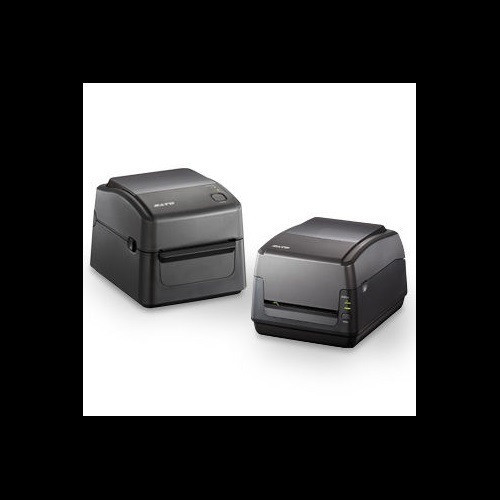
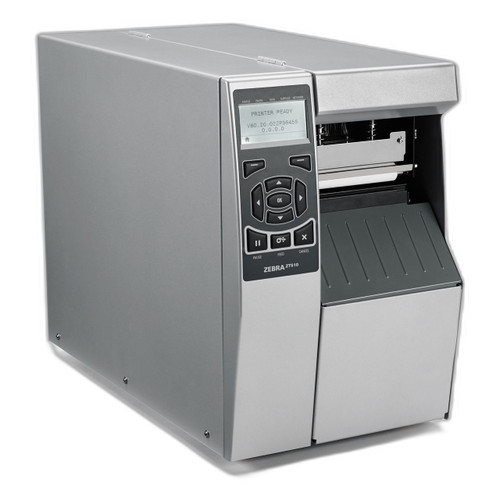
Both the Sato WS4 WD212-409DW-EX1-2 and the Zebra ZT51042-T110000Z are desktop-class, 4-inch, 203 DPI thermal label printers marketed to shipping, logistics, and barcode-compliance applications. A buyer evaluating either is choosing a compact workstation printer capable of direct thermal or thermal transfer output at the same resolution tier. The comparison below is grounded exclusively in the specifications provided; where a spec is absent for one model, it is noted as such.
In This Guide
- Which printer offers broader host connectivity and integration flexibility?
- How do the two printers compare on media handling, print method, and throughput?
- Which unit is better suited to demanding or space-constrained deployment environments?
- Which should you choose: the WD212-409DW-EX1-2 or the ZT51042-T110000Z?
- Side-by-Side Specs
- FAQ
Which printer offers broader host connectivity and integration flexibility?
The Sato WD212-409DW-EX1-2 ships with four documented interfaces: Ethernet (wired LAN), Wi-Fi, Bluetooth, and USB 2.0. This combination allows the unit to be hardwired to a network, connected wirelessly, paired directly to a mobile device via Bluetooth, or driven locally by a single host over USB — four distinct connection paths from a single SKU.
The Zebra ZT51042-T110000Z specifies Wi-Fi only among its connectivity attributes. No Ethernet, Bluetooth, or USB interface is listed in the provided specifications. For environments that require a wired network drop, a USB-tethered workstation, or mobile Bluetooth pairing, the Zebra's documented connectivity leaves those scenarios unsupported per available data.
For IT and deployment teams evaluating cabling flexibility or fallback connection modes, the Sato's four-interface spec is a material advantage. Buyers should verify whether the Zebra's retail configuration includes additional interfaces not reflected in the provided specification set before finalizing.
How do the two printers compare on media handling, print method, and throughput?
The Sato WD212-409DW-EX1-2 supports both direct thermal and thermal transfer print methods, handles media widths from 1 inch to 4.65 inches, accepts a 1-inch core, accommodates roll diameters up to 5 inches, and runs ribbon up to 984 feet. Print speed is rated at 6 inches per second. These specs indicate a printer designed for versatility across label stock types and long unattended ribbon runs.
The Zebra ZT51042-T110000Z specifies a 4-inch print width and 203 DPI resolution, and its product description notes an integrated automated label cutter — a feature not listed for the Sato. Media width range is listed as 0.79 inches (20 mm) to 4.5 inches (114 mm) in one field, though that field contains appended non-spec text suggesting data quality issues. Print method is listed only as 'Thermal (no ink/toner)'; direct thermal versus thermal transfer distinction is not clearly stated in the provided specs. Print speed is not specified.
The Sato provides a more complete and internally consistent media-handling specification set. The Zebra's integrated cutter is a documented hardware differentiator for high-volume cut-label lines, but the absence of a rated print speed and a clear print-method declaration limits direct throughput comparison.
Which unit is better suited to demanding or space-constrained deployment environments?
The Sato WD212-409DW-EX1-2 is specified at 5.46 lbs (2.48 kg), with dimensions of 8.69 inches wide by 10.96 inches deep by 7.38 inches tall. It operates on AC 100–240V, 50/60Hz (auto-ranging), and is rated for 41°F to 104°F (5°C to 40°C) operating temperature. Memory is 16 MB Flash plus 32 MB SDRAM with 16 MB user storage. These are typical desktop-tier figures suited to an office or light-industrial workstation.
The Zebra ZT51042-T110000Z is listed in the provided specifications at 50 lbs (22.7 kg). That figure is anomalous for a product described and marketed as a desktop unit alongside a 4-inch print width; it is inconsistent with the form-factor claim and may reflect a data entry error in the source record. Physical dimensions and operating temperature range are not provided in the available specs. Memory is listed as 512 MB RAM — substantially higher than the Sato's 32 MB SDRAM.
The Zebra's 512 MB RAM specification suggests a more capable firmware and label-processing platform, which may benefit complex label formats or large font/graphic libraries. However, the 50 lb weight figure cannot be treated as reliable given the context, and the absence of dimension and temperature data prevents a complete environmental comparison. Buyers should obtain a verified Zebra datasheet to confirm physical and environmental ratings before deployment planning.
Which should you choose: the WD212-409DW-EX1-2 or the ZT51042-T110000Z?
Our take: The WD212-409DW-EX1-2 is the stronger choice when verified, internally consistent specifications are the procurement baseline. The Sato provides four documented interfaces (Ethernet, Wi-Fi, Bluetooth, USB 2.0) versus the Zebra's single listed interface (Wi-Fi), supports both direct thermal and thermal transfer versus an unspecified thermal method on the Zebra, and carries a rated print speed of 6 ips where the Zebra lists none. The Zebra's 512 MB RAM (versus the Sato's 32 MB SDRAM) is a genuine advantage for complex label processing, and its integrated cutter is a meaningful workflow differentiator for cut-label lines — but the Zebra's provided specification record contains anomalies (50 lb weight for a desktop unit, fragmented media-width field) that reduce buyer confidence. For a deployment requiring wired Ethernet fallback, Bluetooth pairing, or thermal transfer ribbon capability, the Sato's spec sheet is both complete and unambiguous. The Zebra warrants a datasheet review before selection.
Side-by-Side Comparison
Spec-for-spec, from manufacturer data.
| Specification | Sato WD212-409DW-EX1-2 | Zebra ZT51042-T110000Z |
|---|---|---|
| Print Resolution | 203 DPI | 203 DPI |
| Print Width (max) | 4.09" | 4" |
| Print Method | Direct Thermal / Thermal Transfer | Thermal (method not specified) |
| Print Speed | 6 ips | — |
| Connectivity | Ethernet, Wi-Fi, Bluetooth, USB 2.0 | Wi-Fi only |
| Integrated Cutter | — | Yes |
| RAM / SDRAM | 32 MB SDRAM | 512 MB RAM |
| Flash Memory | 16 MB | — |
| User Storage | 16 MB | — |
| Media Width Range | 1" to 4.65" | 0.79" to 4.5" (field data quality uncertain) |
| Max Roll Diameter | 5" | — |
| Max Ribbon Length | 984 ft | — |
| Display | LCD | — |
| Power Input | AC 100–240V, 50/60 Hz | — |
| Operating Temp | 41°F–104°F (5°C–40°C) | — |
| Weight | 5.46 lb (2.48 kg) | 50 lb listed (anomalous — verify) |
| Warranty | 1-year | 1-year |
| Form Factor | Desktop | Desktop |
| Barcode Symbologies | — | Code 128, Code 39, UPC, EAN, QR Code |
Frequently Asked Questions
Which should you choose: the WD212-409DW-EX1-2 or the ZT51042-T110000Z?
The WD212-409DW-EX1-2 is the stronger choice when verified, internally consistent specifications are the procurement baseline. The Sato provides four documented interfaces (Ethernet, Wi-Fi, Bluetooth, USB 2.0) versus the Zebra's single listed interface (Wi-Fi), supports both direct thermal and thermal transfer versus an unspecified thermal method on the Zebra, and carries a rated print speed of 6 ips where the Zebra lists none. The Zebra's 512 MB RAM (versus the Sato's 32 MB SDRAM) is a genuine advantage for complex label processing, and its integrated cutter is a meaningful workflow differentiator for cut-label lines — but the Zebra's provided specification record contains anomalies (50 lb weight for a desktop unit, fragmented media-width field) that reduce buyer confidence. For a deployment requiring wired Ethernet fallback, Bluetooth pairing, or thermal transfer ribbon capability, the Sato's spec sheet is both complete and unambiguous. The Zebra warrants a datasheet review before selection.
Does the Sato WD212-409DW-EX1-2 or the Zebra ZT51042-T110000Z support wired Ethernet?
Based on the provided specifications, only the Sato WD212-409DW-EX1-2 lists Ethernet as a supported interface. The Zebra ZT51042-T110000Z's available specs document Wi-Fi only. Buyers requiring a hardwired network connection should confirm the Zebra's interface options directly against its official datasheet, as the provided spec record may be incomplete.
Which printer handles higher-volume, cut-label operations better?
The Zebra ZT51042-T110000Z specifies an integrated automated label cutter, which the Sato WD212-409DW-EX1-2 does not list. For high-volume lines where labels must be automatically separated, the Zebra's cutter is a documented hardware advantage. The Zebra also lists 512 MB RAM versus the Sato's 32 MB SDRAM, which may support more complex label jobs. However, the Zebra's print speed is not specified, so throughput cannot be directly compared.
Can either printer handle both direct thermal and thermal transfer media?
The Sato WD212-409DW-EX1-2 explicitly supports both direct thermal and thermal transfer print methods and lists a maximum ribbon length of 984 feet. The Zebra ZT51042-T110000Z's provided specifications describe the print technology only as 'Thermal (no ink/toner)' without distinguishing between direct thermal and thermal transfer. Buyers who need thermal transfer capability — for durability or chemical-resistance label requirements — should verify the Zebra's supported print methods against its official product documentation.
More Label Printer Comparisons
- Sato WD212-409DN-EX1-2 vs Zebra ZT51042-T110000Z
- Sato WD212-409DN-EX1-2 vs Zebra ZT11142-D01000FZ
- Sato WD212-409DN-EX1-2 vs Sato WD212-409DW-EX1-2
- Sato WD212-409DN-EX1-2 vs Sato WT312-403DW-EX1-2
- Sato WD212-409DW-EX1-2 vs Zebra ZT11142-D01000FZ
- Sato WD212-409DW-EX1-2 vs Sato WT312-403DW-EX1-2
Label Printer Buying Guides
Get a Second Opinion on Your Camera Choice
Share your site layout, coverage goals, and budget. Our team will validate the camera selection, flag anything we would change, and recommend products that match the use case.