
Hanwha XNP-9250R vs i-PRO X66700-Z3LS: Specification Comparison
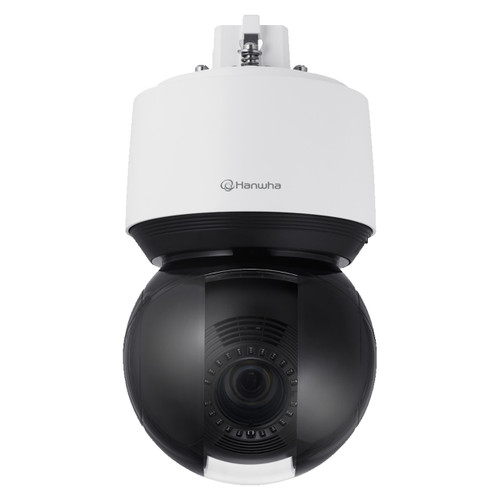
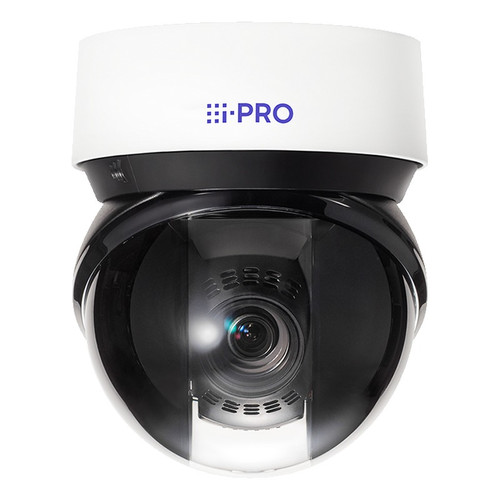
The Hanwha XNP-9250R and i-PRO WV-X66700-Z3LS are both outdoor 8MP 4K PTZ network cameras targeting the same perimeter and wide-area surveillance market. Both share IP66/IK10 ratings, IR illumination, AI-based analytics, H.265 compression, and PoE++ power — making them direct cross-shop candidates for integrators specifying high-resolution PTZ deployments. The comparison below examines imaging capability, installation and environmental suitability, and VMS/analytics integration based strictly on published specifications.
In This Guide
How do the imaging specs compare?
Both cameras use a 1/2.8" CMOS sensor at 8MP (3840×2160) and deliver 30fps. The Hanwha XNP-9250R offers a 25x optical zoom (5–125mm, F1.6–F3.73 wide-to-tele), while the i-PRO WV-X66700-Z3LS offers a 30x optical zoom (4.5–135mm, F1.8–F4.7 wide-to-tele). The i-PRO's wider aperture at tele is not specified as better than the Hanwha's F3.73, but the Hanwha has a brighter F1.6 wide-end aperture versus the i-PRO's F1.8. The i-PRO also supports an extra digital zoom up to 90x at 1280×720 resolution; the Hanwha specifies 32x digital zoom for a total 800x combined.
On dynamic range, the Hanwha specifies Extreme WDR at 120dB, while the i-PRO specifies Super Dynamic at up to 132dB (level 31). Minimum illumination is 0.1 lux color / 0 lux IR (Hanwha) versus 0.13 lux color / 0 lux IR (i-PRO), a slight advantage to Hanwha in color low-light. IR range is specified at 200m (Hanwha, Wise IR) versus 280m at 30IRE / 200m at 50IRE (i-PRO), giving the i-PRO a longer stated IR reach at 30IRE. DORI identification range at tele is 324.7m (Hanwha) versus 352.0m (i-PRO). Both include built-in gyro-based image stabilization.
What about installation and environment?
Both cameras carry IP66 and IK10 ratings and NEMA 4X certification. The i-PRO additionally specifies wind resistance up to 40 m/s (~89 mph) and NEMA-TS2 compliance; the Hanwha also specifies NEMA-TS2 (2.2.8, 2.2.9). Operating temperature for the Hanwha is −40°C to +55°C, while the i-PRO is rated −30°C to +60°C — the Hanwha reaches 10°C colder, while the i-PRO tolerates 5°C higher heat. Both are PoE++ (IEEE 802.3bt, Class 6); the Hanwha draws a typical 20W / max 40W and includes an injector; the i-PRO is rated at 45.9W. The Hanwha body is white aluminum with a polycarbonate dome (Ø158×293.3mm, 3.2kg); the i-PRO is aluminum die cast with a polycarbonate dome (max Ø167mm×205mm H, approx. 3kg). The i-PRO includes a tamper-resistant enclosure designation.
Which fits your VMS and analytics better?
Both cameras support ONVIF Profile S, G, and T. The Hanwha additionally lists ONVIF Profile M, along with SUNAPI (HTTP API) and the Wisenet open platform for deeper integration with Wisenet VMS. The i-PRO supports ONVIF Profile M as well and additionally specifies MQTT and NTCIP protocol support in its IPv4 stack — relevant for traffic and smart-city infrastructure applications. The Hanwha supports up to 20 unicast users and 128 multicast users across up to 10 streaming profiles; the i-PRO supports up to 14 simultaneous users. The i-PRO specifies audio I/O via 3.5mm stereo mini jacks (in and out), G.726/G.711/AAC-LC compression, and 3 alarm I/O terminals; the Hanwha specifies alarm input/output only with an optional NW I/O Box and does not list onboard audio I/O jacks in the provided specs.
On edge analytics, the Hanwha lists object auto-tracking (person/vehicle), target lock tracking, directional detection, fog detection, face detection, appear/disappear, and motion detection. The i-PRO specifies AI motion, privacy, face, people, and vehicle detection, plus AI sound classification (gunshot, yell, vehicle horn, glass break). Edge storage on the Hanwha supports 2× Micro SD/SDHC/SDXC slots up to 1TB total; the i-PRO provides a single microSD/SDHC/SDXC slot up to 512GB. The i-PRO specifies a 5-year warranty; no warranty term is provided in the Hanwha specs supplied.
Which should you choose: the XNP-9250R or the X66700-Z3LS?
Our take: The XNP-9250R is the stronger choice when cold-climate deployment, dual SD redundancy, or deep Wisenet VMS integration is the priority. The Hanwha operates down to −40°C versus the i-PRO's −30°C floor — a meaningful 10°C advantage in northern or high-altitude sites — and its dual SD card slots (up to 1TB) provide redundant edge recording the i-PRO's single-slot 512GB cannot match. However, the i-PRO WV-X66700-Z3LS leads on several key imaging metrics: 30x optical zoom versus 25x, a longer 280m IR range at 30IRE versus 200m, a higher stated dynamic range of 132dB versus 120dB, and a greater DORI identification distance of 352m versus 324.7m at tele. The i-PRO also adds native audio I/O, AI sound classification, and MQTT/NTCIP protocol support without requiring optional accessories. For high-heat environments or long-range identification with audio forensics, the i-PRO is the more capable specification; for extreme cold or dual-card failover on a Wisenet platform, the Hanwha is the correct selection.
Side-by-Side Comparison
Spec-for-spec, from manufacturer data.
| Specification | Hanwha XNP-9250R | i-PRO X66700-Z3LS |
|---|---|---|
| Resolution | 8MP (4K / 3840×2160) | 8MP (3840×2160) |
| Image Sensor | 1/2.8" CMOS | Approx. 1/2.8" CMOS |
| Optical Zoom | 25x | 30x |
| Focal Length | 5–125mm | 4.5–135mm |
| Max Aperture (Wide / Tele) | F1.6 (Wide) / F3.73 (Tele) | F1.8 (Wide) / F4.7 (Tele) |
| Min Illumination (Color / IR) | 0.1 lux / 0 lux | 0.13 lux / 0 lux |
| IR Range | 200m (Wise IR) | 280m (30IRE) / 200m (50IRE) |
| Dynamic Range (WDR) | Extreme WDR 120dB | Super Dynamic up to 132dB |
| DORI Identify (Tele) | 324.7m (1065.2ft) | 352.0m (1154.8ft) |
| Pan Speed (Preset / Manual) | 700°/s preset / 0.024–250°/s manual | 700°/s preset / 0.065–150°/s manual |
| Tilt Speed (Preset / Manual) | 500°/s preset / 0.024–250°/s manual | 500°/s preset / 0.065–150°/s manual |
| Video Compression | H.265 / H.264 / MJPEG | H.265 / H.264 / MJPEG |
| ONVIF Profiles | S / G / T / M | G / M / S / T |
| IP / IK Rating | IP66 / IK10 / NEMA 4X | IP66 / IK10 / NEMA 4X |
| Operating Temperature | −40°C to +55°C | −30°C to +60°C |
| Power Input / PoE Class | HPoE IEEE 802.3bt Class 6 / Max 40W | PoE++ IEEE 802.3bt / 45.9W |
| Edge Storage | 2× microSD/SDHC/SDXC up to 1TB | 1× microSD/SDHC/SDXC up to 512GB |
| Audio I/O | — (requires optional NW I/O Box) | 3.5mm stereo in + out; G.726/G.711/AAC-LC |
| AI Sound Classification | — | Gunshot, Yell, Vehicle horn, Glass break |
| Dimensions (approx.) | Ø158×293.3mm / 3.2kg | Ø167×205mm (H) / approx. 3kg |
| Warranty | Not specified in provided specs | 5 years |
Frequently Asked Questions
Which should you choose: the XNP-9250R or the X66700-Z3LS?
The XNP-9250R is the stronger choice when cold-climate deployment, dual SD redundancy, or deep Wisenet VMS integration is the priority. The Hanwha operates down to −40°C versus the i-PRO's −30°C floor — a meaningful 10°C advantage in northern or high-altitude sites — and its dual SD card slots (up to 1TB) provide redundant edge recording the i-PRO's single-slot 512GB cannot match. However, the i-PRO WV-X66700-Z3LS leads on several key imaging metrics: 30x optical zoom versus 25x, a longer 280m IR range at 30IRE versus 200m, a higher stated dynamic range of 132dB versus 120dB, and a greater DORI identification distance of 352m versus 324.7m at tele. The i-PRO also adds native audio I/O, AI sound classification, and MQTT/NTCIP protocol support without requiring optional accessories. For high-heat environments or long-range identification with audio forensics, the i-PRO is the more capable specification; for extreme cold or dual-card failover on a Wisenet platform, the Hanwha is the correct selection.
Is the XNP-9250R or WV-X66700-Z3LS better for low-light performance?
The Hanwha XNP-9250R has a marginally lower minimum color illumination at 0.1 lux versus the i-PRO's 0.13 lux, so it edges ahead in color low-light sensitivity. Both reach 0 lux in B/W mode with IR active. The i-PRO, however, specifies a longer IR range of 280m at 30IRE compared to the Hanwha's 200m, meaning the i-PRO illuminates subjects at greater distances in complete darkness.
Does either camera support audio recording out of the box?
The i-PRO WV-X66700-Z3LS includes built-in 3.5mm stereo audio input and output jacks supporting G.726, G.711, and AAC-LC compression, with AI sound classification for gunshots, yelling, vehicle horns, and glass break — all without additional hardware. The Hanwha XNP-9250R's provided specifications do not list onboard audio I/O; alarm input and output functions require an optional NW I/O Box accessory.
Which camera handles colder installation environments?
The Hanwha XNP-9250R is rated for operation down to −40°C, while the i-PRO WV-X66700-Z3LS is rated to −30°C. For installations in extreme cold climates — such as northern regions, high-altitude sites, or unheated outdoor enclosures — the Hanwha's 10°C lower threshold is a decisive specification advantage. The i-PRO tolerates a slightly higher maximum of 60°C versus the Hanwha's 55°C upper limit.
Get a Second Opinion on Your Camera Choice
Share your site layout, coverage goals, and budget. Our team will validate the camera selection, flag anything we would change, and recommend products that match the use case.