
Geovision ADR4701 vs Geovision TVD480W-0010: Specification Comparison
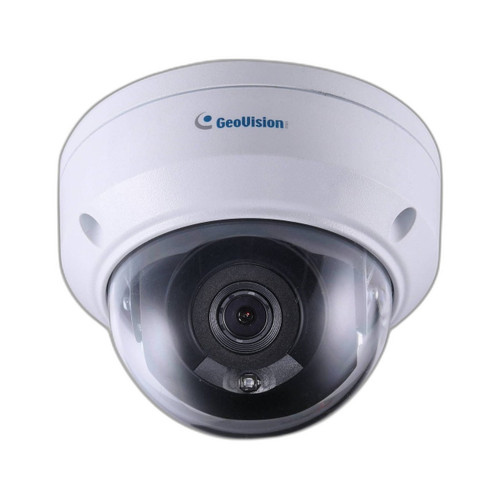
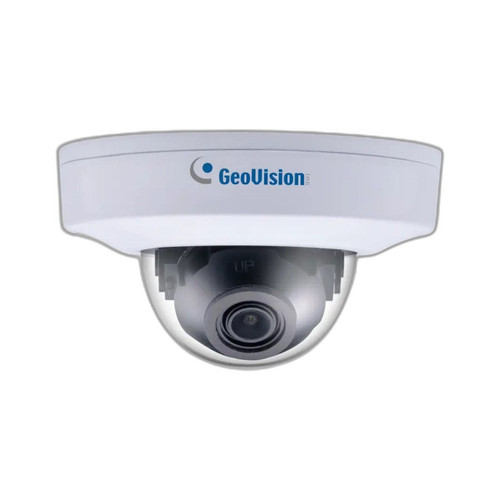
Both the Geovision GV-ADR4701 and the Geovision 84-TVD480W-0010 are 4MP fixed dome cameras designed for indoor or light-outdoor IP surveillance deployments. A buyer evaluating either for a mid-resolution dome installation would reasonably cross-shop them. The comparison covers imaging capabilities, environmental and installation characteristics, and VMS/platform integration, drawing strictly from the supplied specifications for each model.
In This Guide
How do the imaging specs compare?
Both cameras deliver 4MP resolution with IR night vision and WDR, placing them in the same evidence-grade imaging tier. The GV-ADR4701 ships with a 2.8mm fixed lens, giving installers a known wide-angle field of view suitable for corridors and entry points. The 84-TVD480W-0010's lens specification is not provided in the supplied data, so direct focal-length comparison cannot be made.
On WDR, the 84-TVD480W-0010 is specified as 'WDR Pro,' while the GV-ADR4701 is listed simply as 'WDR.' The distinction in dynamic range performance between these two tiers is not quantified in the provided specs, so no measurable dB advantage can be claimed. Both cameras include IR illumination for low-light operation; IR range figures are absent from the specs of both models, so no comparison can be drawn on that dimension. Video compression for the GV-ADR4701 is specified as H.265; compression format for the 84-TVD480W-0010 is not stated in the supplied data.
What about installation and environment?
The GV-ADR4701 carries IP66 and IK10 ratings, confirming dust-tight and water-jet resistance alongside a certified vandal-impact tolerance. It supports both ceiling and wall mounting, and its operating temperature range is specified as 0°C to 50°C. Power draw is stated at 11W. None of these environmental ratings or operating temperature figures are provided in the supplied specs for the 84-TVD480W-0010.
The 84-TVD480W-0010 is specified as PoE 802.3af powered and is rated for ceiling mounting only. Its IP rating, IK rating, operating temperature range, and watt draw are not available in the provided specifications. Both cameras are PoE-powered; the GV-ADR4701's PoE class is not explicitly labeled in its specs (power is listed as 11W), while the 84-TVD480W-0010 explicitly cites 802.3af compliance.
Which fits your VMS and analytics better?
The GV-ADR4701 is listed as ONVIF-compliant and compatible with NVR/DVR systems. The 84-TVD480W-0010 specifies ONVIF Profile S compliance, which is a defined interoperability profile covering live streaming and basic PTZ control commands—offering a more precisely described integration guarantee. Neither model lists edge analytics, onboard audio, or local SD card storage in the supplied specifications, so no comparison can be made on those capabilities.
The GV-ADR4701's cable category is listed as DVR-NVR, while the 84-TVD480W-0010 is categorized as IPCAM. The GV-ADR4701 is tagged as compatible with 'discrete' deployments; the 84-TVD480W-0010 is tagged as compatible with 'high-security' environments. Neither edge storage nor audio I/O is documented for either model in the provided specs.
Which should you choose: the ADR4701 or the TVD480W-0010?
Our take: The GV-ADR4701 is the stronger choice when environmental resilience and mounting flexibility are primary requirements: it is the only model here with documented IP66 dust/water resistance, IK10 vandal impact certification, and confirmed wall-plus-ceiling mounting options, and its operating temperature range of 0°C to 50°C is stated. It also specifies H.265 compression, which reduces storage consumption compared to H.264. The 84-TVD480W-0010 holds an edge in two respects: it specifies ONVIF Profile S (a more precisely defined interoperability standard than the ADR4701's generic ONVIF listing), and it claims WDR Pro versus the ADR4701's unquantified WDR. If the deployment environment is controlled and VMS interoperability with a Profile S-certified platform is the deciding factor, the 84-TVD480W-0010 warrants consideration—but its absence of published IP, IK, and temperature ratings limits spec-based confidence for challenging locations.
Side-by-Side Comparison
Spec-for-spec, from manufacturer data.
| Specification | Geovision ADR4701 | Geovision TVD480W-0010 |
|---|---|---|
| Resolution | 4 MP | 4 MP |
| Camera Type | Fixed Dome | Fixed Dome |
| Video Compression | H.265 | Not specified |
| Lens / Focal Length | 2.8mm fixed | Not specified |
| WDR | WDR | WDR Pro |
| IR Night Vision | Yes | Yes |
| IR Range | Not specified | Not specified |
| ONVIF | Yes (profile not specified) | Yes (Profile S) |
| IP Rating | IP66 | Not specified |
| IK / Impact Rating | IK10 | Not specified |
| Operating Temperature | 0°C to 50°C | Not specified |
| Power / PoE | 11W (PoE implied) | PoE 802.3af |
| Mount Type | Ceiling; Wall | Ceiling |
| Edge Storage | Not specified | Not specified |
| Audio | Not specified | Not specified |
| Compatible With | Discrete deployments; NVR/DVR systems | High-security environments; ONVIF VMS |
Frequently Asked Questions
Which should you choose: the ADR4701 or the TVD480W-0010?
The GV-ADR4701 is the stronger choice when environmental resilience and mounting flexibility are primary requirements: it is the only model here with documented IP66 dust/water resistance, IK10 vandal impact certification, and confirmed wall-plus-ceiling mounting options, and its operating temperature range of 0°C to 50°C is stated. It also specifies H.265 compression, which reduces storage consumption compared to H.264. The 84-TVD480W-0010 holds an edge in two respects: it specifies ONVIF Profile S (a more precisely defined interoperability standard than the ADR4701's generic ONVIF listing), and it claims WDR Pro versus the ADR4701's unquantified WDR. If the deployment environment is controlled and VMS interoperability with a Profile S-certified platform is the deciding factor, the 84-TVD480W-0010 warrants consideration—but its absence of published IP, IK, and temperature ratings limits spec-based confidence for challenging locations.
Is the GV-ADR4701 or the 84-TVD480W-0010 better for outdoor or harsh-environment installs?
Based on the supplied specifications, the GV-ADR4701 is the only model with documented environmental ratings: IP66 for dust and water resistance and IK10 for vandal impact. The 84-TVD480W-0010 has no IP or IK rating listed in the provided specs, so its suitability for harsh environments cannot be confirmed from available data.
Which camera has better WDR performance for high-contrast lighting scenes?
The 84-TVD480W-0010 is specified as 'WDR Pro,' while the GV-ADR4701 is listed as 'WDR.' The provided specs do not include quantified dB values for either model, so a measurable performance difference cannot be stated. The grade label on the 84-TVD480W-0010 suggests a higher tier, but without numeric specs that claim cannot be verified from the data provided.
Does either camera support ONVIF Profile S for integration with third-party VMS platforms?
Yes—the 84-TVD480W-0010 explicitly specifies ONVIF Profile S compliance. The GV-ADR4701 is listed as ONVIF-compliant but without a named profile designation in the supplied specifications. Installers requiring a formally defined Profile S certification for VMS compatibility should confirm the GV-ADR4701's profile support directly with Geovision.
Get a Second Opinion on Your Camera Choice
Share your site layout, coverage goals, and budget. Our team will validate the camera selection, flag anything we would change, and recommend products that match the use case.