
Geovision ADR4701 vs Geovision TFD480W-0010: Specification Comparison
Both the Geovision GV-ADR4701 and the Geovision 84-TFD480W-0010 are 4MP fixed mini dome IP cameras sharing the same brand, resolution class, H.265 compression, 2.8mm fixed lens, and ONVIF compliance. A buyer comparing indoor or light-outdoor mini domes for an NVR-based deployment would reasonably cross-shop these two models. The comparison below is drawn strictly from the provided specifications; where a spec is absent for one model, that is noted explicitly.
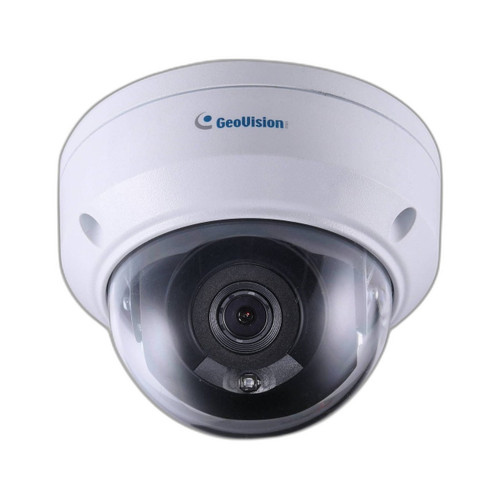
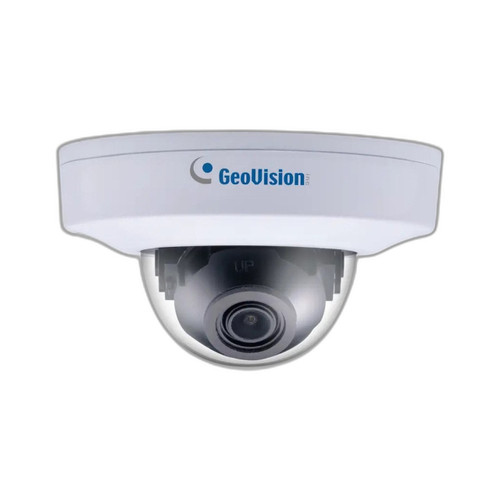
In This Guide
How do the imaging specs compare?
Both cameras deliver 4MP resolution with H.265 compression and IR night vision, and both carry a 2.8mm fixed lens — meaning field of view and focal length are identical on paper. WDR handling is where the specs diverge: the TFD480W-0010 lists 'WDR Pro,' a higher-grade wide dynamic range implementation, while the ADR4701 lists simply 'WDR' with no further qualification. For scenes with mixed or challenging lighting such as retail entrances or corridors with windows, WDR Pro typically indicates a more capable multi-frame HDR pipeline, though the exact stop range is not provided for either model.
Neither model's provided specs include minimum illumination figures, IR range in meters, or image sensor size. Buyers requiring those numbers for low-light or IR-distance decisions should consult the respective datasheets (/content/product-datasheets/GV-ADR4701.pdf and /content/product-datasheets/84-TFD480W-0010.pdf) before specifying. Maximum frame rate is also absent from the provided data for both units.
What about installation and environment?
The ADR4701 carries both an IP66 ingress protection rating and an IK10 vandal-impact rating, and its operating temperature range is specified as 0°C to 50°C. IP66 indicates full dust exclusion and protection against powerful water jets, making the camera suitable for outdoor or semi-outdoor mounting. IK10 is the highest standardized impact resistance class, meaning the housing withstands 20-joule impacts — a meaningful spec for exposed or public-facing installations. Power draw is listed at 11W via PoE.
The TFD480W-0010 references 802.3af PoE in its bullet copy, which has a maximum delivery of 15.4W (typically 12.95W usable at the device), but no wattage figure is provided in the structured specs. Critically, no IP rating and no IK rating appear in the TFD480W-0010's provided specifications, so its environmental and vandal resistance cannot be confirmed from the data supplied. Its mount type is listed as Ceiling only, versus the ADR4701's Ceiling and Wall options. Operating temperature for the TFD480W-0010 is not specified in the provided data.
Which fits your VMS and analytics better?
Both cameras are ONVIF-compliant, enabling integration with any standards-based NVR or VMS platform. The ADR4701 additionally lists 'NVR/DVR systems' as a VMS compatibility note and has a Cable Category of 'DVR-NVR,' reinforcing its positioning within traditional recorder-centric deployments. The TFD480W-0010's VMS compatibility is listed solely as 'ONVIF,' with a Cable Category of 'Accessories.' Neither model's provided specs include edge storage (SD card), onboard analytics, audio input/output, or alarm I/O details. Buyers requiring those capabilities must verify against the full datasheets, as the provided data does not support a comparison on those points.
Which should you choose: the ADR4701 or the TFD480W-0010?
Our take: The ADR4701 is the stronger choice when environmental durability and vandal resistance are requirements, or when ceiling and wall mounting flexibility matters. The ADR4701 holds three concrete spec advantages over the TFD480W-0010 from the data provided: a confirmed IP66 dust and water ingress rating versus no IP rating on record for the TFD480W-0010; a confirmed IK10 vandal-impact rating versus no IK rating on record for the TFD480W-0010; and dual Ceiling/Wall mount support versus Ceiling only. The TFD480W-0010 holds one imaging advantage: its 'WDR Pro' designation suggests a more capable high dynamic range implementation than the ADR4701's unqualified 'WDR,' which matters in high-contrast lighting environments. If the deployment is strictly indoor with controlled lighting and vandal exposure is not a concern, the TFD480W-0010's WDR Pro may be the deciding factor — but for any outdoor, semi-outdoor, or vandal-exposed install, the ADR4701's rated protections make it the more defensible specification.
Side-by-Side Comparison
Spec-for-spec, from manufacturer data.
| Specification | Geovision ADR4701 | Geovision TFD480W-0010 |
|---|---|---|
| Resolution | 4 MP | 4 MP |
| Video Compression | H.265 | H.265 |
| Lens / Focal Length | 2.8mm fixed | 2.8mm fixed |
| WDR | WDR | WDR Pro |
| Night Vision / IR | IR | IR |
| IP Rating | IP66 | — |
| IK / Impact Rating | IK10 | — |
| Operating Temperature | 0°C to 50°C | — |
| Power / PoE | 11 W (PoE) | 802.3af PoE (wattage not specified) |
| Mount Type | Ceiling; Wall | Ceiling |
| Form Factor | Mini Dome | Mini Dome |
| VMS Compatibility | ONVIF; NVR/DVR systems | ONVIF |
Frequently Asked Questions
Which should you choose: the ADR4701 or the TFD480W-0010?
The ADR4701 is the stronger choice when environmental durability and vandal resistance are requirements, or when ceiling and wall mounting flexibility matters. The ADR4701 holds three concrete spec advantages over the TFD480W-0010 from the data provided: a confirmed IP66 dust and water ingress rating versus no IP rating on record for the TFD480W-0010; a confirmed IK10 vandal-impact rating versus no IK rating on record for the TFD480W-0010; and dual Ceiling/Wall mount support versus Ceiling only. The TFD480W-0010 holds one imaging advantage: its 'WDR Pro' designation suggests a more capable high dynamic range implementation than the ADR4701's unqualified 'WDR,' which matters in high-contrast lighting environments. If the deployment is strictly indoor with controlled lighting and vandal exposure is not a concern, the TFD480W-0010's WDR Pro may be the deciding factor — but for any outdoor, semi-outdoor, or vandal-exposed install, the ADR4701's rated protections make it the more defensible specification.
Is the ADR4701 or TFD480W-0010 better for low light?
Neither camera's provided specifications include minimum illumination values or IR range in meters, so a direct low-light comparison cannot be made from the available data. Both carry IR night vision and the same 2.8mm fixed lens. Consult the full datasheets for illumination figures before specifying for low-light-critical applications.
Can I use either camera outdoors?
The ADR4701 is rated IP66 for dust and water ingress protection and IK10 for vandal impact, confirming outdoor suitability. The TFD480W-0010 has no IP or IK rating in its provided specifications, so outdoor suitability cannot be confirmed from the available data — check the full datasheet before deploying it in an exposed environment.
Will both cameras work with my existing NVR or VMS?
Yes — both are ONVIF-compliant and PoE-powered, so either will integrate with any standards-based NVR or VMS platform that accepts ONVIF streams. The ADR4701 additionally notes compatibility with NVR/DVR systems in its spec data. Neither model lists proprietary analytics or VMS lock-in requirements based on the provided specifications.
Get a Second Opinion on Your Camera Choice
Share your site layout, coverage goals, and budget. Our team will validate the camera selection, flag anything we would change, and recommend products that match the use case.