
Best Barcode Scanners for 3PL and Logistics
Scanners for third-party logistics and distribution — cordless mobility across docks, long-range racking reads, rugged drop tolerance, and fast 2D throughput for high volume.

Karl Wilson
Warehouse & Mobile Computing Specialist · Working integrator
Bottom line
For 3PL and logistics operations, corded 2D imagers dominate because they deliver fast throughput, long read range for racking, and drop tolerance without battery management. Choose based on dock environment (wet/harsh = higher IP rating), read density needs (high-SKU picking = HD optics), and cable strategy (USB-primary vs. multi-interface flexibility).
What This Setup Needs
Selecting the right corded barcode scanner for 3PL requires balancing operational flow, environment durability, and integration simplicity. These factors separate a cost-effective workhorse from costly downtime:
- Read Range and Density: Standard 2D imagers read ~10 inches; high-density (HD) models push 16–20 inches and decode smaller or damaged codes. Racking and conveyor ops benefit from HD; small-SKU handoff points may not need the premium.
- Ingress Protection (IP Rating): IP52 handles light splash and dust on typical docks. IP65 seals against washdown, forklift spray, and humid freezer zones—worth the cost if your facility cleans aggressively or operates outdoors.
- Cable and Interface Strategy: USB is standard and cheap; RS-232 or multi-interface (USB/Lightning/USB-C) support legacy systems and future-proof device changes. Longer cable runs and daisy-chaining affect total cost of ownership.
- Drop and Vibration Tolerance: All modern 2D imagers handle typical dock drops (4–6 feet). Verify if your workflow includes forklift vibration or repeated floor impacts; some models specify shock ratings explicitly.
- Connectivity Flexibility: Corded models eliminate battery grief but require fixed docking or long cables. Hybrid Bluetooth+wired options let you operate untethered in short bursts (e.g., mobile cart reads) while staying cost-controlled versus full cordless systems.
- Throughput and Decode Speed: All 2D imagers scan 60–100 reads/second in practice. Bottleneck is usually operator speed, not scanner—verify your WMS can keep up with capture rate, not the reverse.
- Temperature and Humidity Range: Standard industrial range (32–122°F) suits most U.S. 3PLs. Freezer or outdoor ops demand wider specs; check your facility's actual min/max before assuming baseline models work.
Our Picks
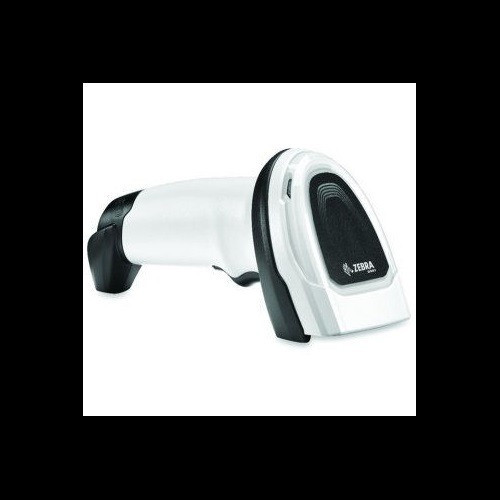
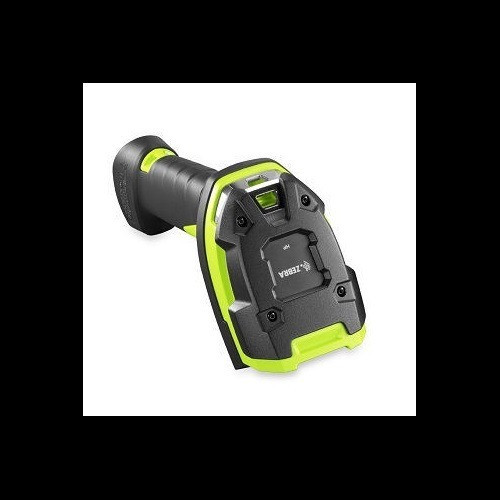
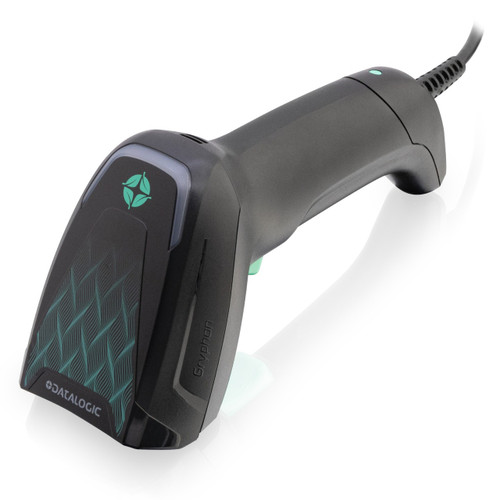
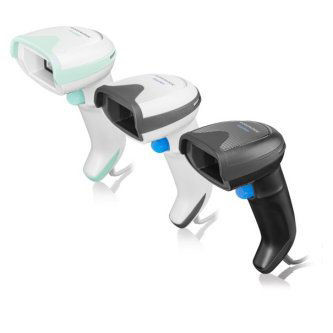
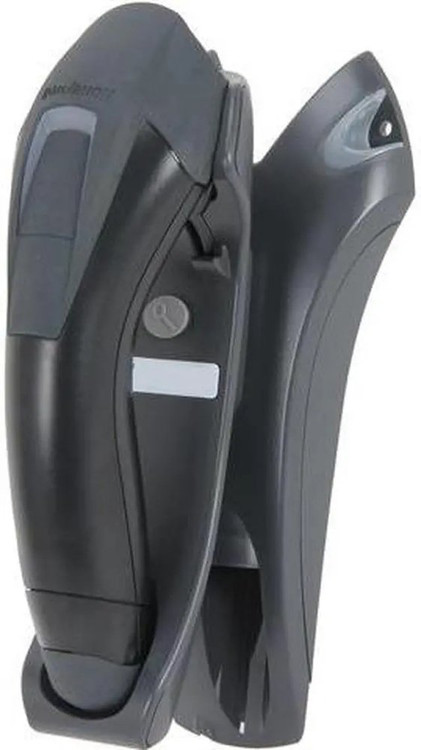
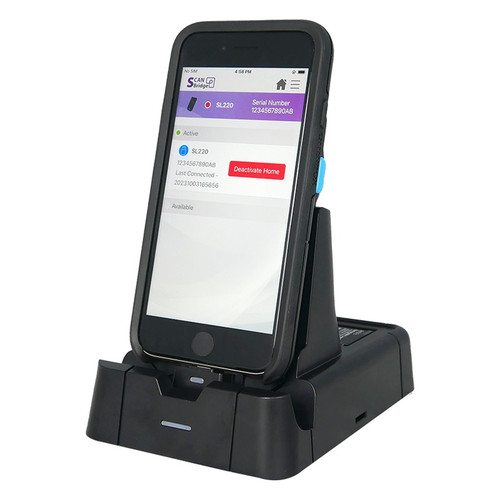
Selected from our catalog by spec-fit. All channel-direct and factory-new — not ranked by price.
Frequently Asked Questions
Should I choose corded or cordless scanners for a 3PL dock?
Corded 2D imagers dominate 3PL because they eliminate battery management, deliver consistent power for all-shift scanning, and cost 40–50% less than comparable cordless handheld systems. Cordless shines only if your operators move constantly between zones without fixed workstations; most docks benefit from wired base stations with optional Bluetooth fallback for brief mobile reads.
What's the difference between standard and high-density (HD) 2D imagers, and when do I need HD?
Standard 2D imagers read codes clearly from ~10–12 inches; HD models extend to 16–20 inches and decode smaller or damaged barcodes. You need HD if your operation includes high-racking (picking above shoulder height), small label codes, or frequent barcode damage from conveyor wear. If you're scanning mostly full-size labels at arm's length, standard models save 20–30% without read failures.
Do I need IP65 or is IP52 sufficient for a typical 3PL?
IP52 is adequate for dry or lightly humid docks with occasional splash. IP65 is essential if you operate in freezer zones, outdoor staging areas, use washdown cleaning, or face heavy forklift spray. The cost premium (~$100–200 per scanner) is justified in wet environments by avoiding moisture corrosion and emergency downtime—skip it only if your facility is climate-controlled indoors.
How long of a cable run do I need, and does it affect my choice?
Standard USB cables work reliably to ~15 feet; beyond that, active repeaters or industrial-grade shielded runs add complexity. Plan your dock layout to keep scanners within 10–12 feet of the host device. If long distances are unavoidable, consider multi-station hub setups or Bluetooth-capable models (GBT4600, GD4590, 1202G) that let you reduce cable runs and add mobility where needed.
Can I mix different scanner models in one facility?
Yes—it's common to deploy standard 2D imagers at receiving docks and HD models at high-racking zones, or IP52 scanners indoors with IP65 units in freezer areas. However, confirm your WMS driver supports multi-model input streams (most do) and standardize on USB or RS-232 where possible to avoid driver conflicts. Mixing brands is fine; mixing interface types across one network can create support headaches.
What's the typical lifespan of a corded 2D imager in a 3PL?
Well-maintained industrial corded 2D imagers last 5–7 years in continuous duty; the cable and connector often fail before the scanner optics. Buy spare cables early, inspect connectors quarterly, and budget for replacement around year 4–5 rather than expecting 10-year life. Cordless systems have shorter lifespan due to battery degradation (3–4 years), reinforcing the cost advantage of corded in high-volume environments.
Related Resources
- Barcode Scanner comparisons — head-to-head spec matchups
- Barcode Scanner Buying Guide
- Best Barcode Scanners for Warehouse Receiving
- Best Barcode Scanners for Retail POS
- All product comparisons
Speccing this for a project?
Send us your requirements and our senior specialists will confirm specs, compatibility, availability and pricing — free, usually within one business day. Channel-direct, factory-new, serving commercial integrators since 2014.
Get a Free QuoteComparing for a project?
Send us the models you are weighing and our team will confirm specs, compatibility, availability, and pricing — free, usually within one business day.