

Showing Results for Electrical & Power
-
Save $0.84
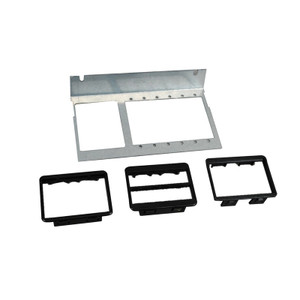
Middle Atlantic C8005P Plate W/ Extron MA - C8005P-MAAP-6A
Specialized mounting plate designed to integrate Extron MA Series devices within a standard rack environment
Usually Ships in 2-3 Weeks Free shipping over $499$57.83 $56.99 Save $0.84 -
Save $0.01
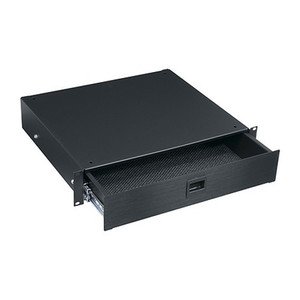
Middle Atlantic Cannon DL96(2)PORT UCP - 2DL96
Single-module panel designed to integrate cleanly into specific Middle Atlantic UCP base series enclosures
Usually Ships in 2-3 Weeks Free shipping over $499$30.00 $29.99 Save $0.01 -
Save $0.52
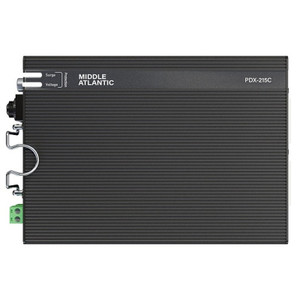
Middle Atlantic CM Series Double Gang ANG - CM-DAP
Double gang angled faceplate designed for the Middle Atlantic CM Series raceway and communication module system
Usually Ships in 2-3 Weeks Free shipping over $499$6.51 $5.99 Save $0.52 -
Save $0.52

Middle Atlantic CM Series Double Gang ANG - CM-DAP-WH
Double gang angled faceplate from Middle Atlantic's CM Series communication module line, finished in white
Usually Ships in 2-3 Weeks Free shipping over $499$6.51 $5.99 Save $0.52 -
Save $0.52
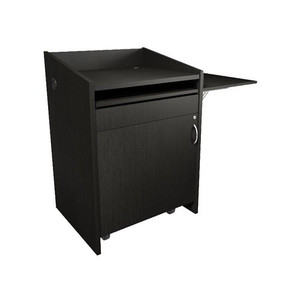
Middle Atlantic CM Series Double Gang FAC - CM-DFP
Double gang faceplate designed for use with Middle Atlantic's CM Series raceway and communication module systems
Usually Ships in 2-3 Weeks Free shipping over $499$6.51 $5.99 Save $0.52 -
Save $0.52
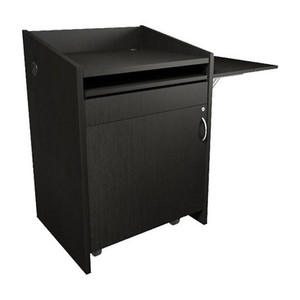
Middle Atlantic CM Series Double Gang FAC - CM-DFP-WH
White double gang faceplate designed for Middle Atlantic's Middle Atlantic CM Series communication module and raceway systems
Usually Ships in 2-3 Weeks Free shipping over $499$6.51 $5.99 Save $0.52 -
Save $0.41
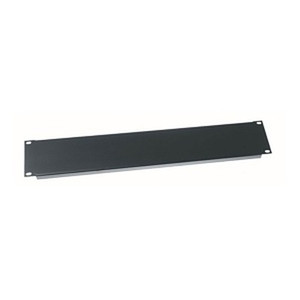
Middle Atlantic CM Series Single Gang ANG - CM-SAP-WH
Single gang angled faceplate from Middle Atlantic's Middle Atlantic CM Series raceway and cord cover system
Usually Ships in 2-3 Weeks Free shipping over $499$4.40 $3.99 Save $0.41 -
Save $0.41
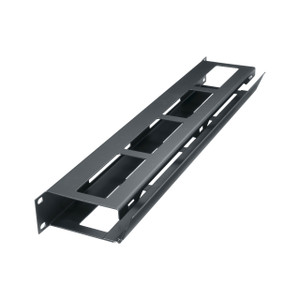
Middle Atlantic CM Series Single Gang FAC - CM-SFP
Single gang faceplate designed for use with Middle Atlantic's CM Series communication module raceway system
Usually Ships in 2-3 Weeks Free shipping over $499$4.40 $3.99 Save $0.41 -
Save $0.41

Middle Atlantic CM Series Single Gang FAC - CM-SFP-WH
White single-gang faceplate designed for use with Middle Atlantic CM Series raceway and cord cover systems
Usually Ships in 2-3 Weeks Free shipping over $499$4.40 $3.99 Save $0.41 -
Save $0.41
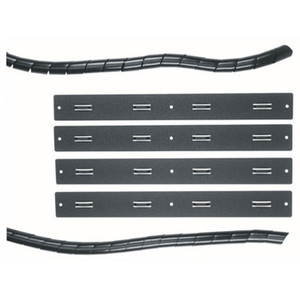
Middle Atlantic CM Single-gang Angled Faceplate - CM-SAP
Single-gang angled faceplate from Middle Atlantic's Middle Atlantic CM series , designed to terminate communication module runs with a clean, angled
Usually Ships in 2-3 Weeks Free shipping over $499$4.40 $3.99 Save $0.41 -
Save $0.03

Middle Atlantic Comm Plate W/series 2 BEZ - 25DTC-3S2
Communications plate designed to provide a clean, finished termination point within Middle Atlantic rack and enclosure builds
Usually Ships in 2-3 Weeks Free shipping over $499$43.02 $42.99 Save $0.03 -
Save $0.64

Middle Atlantic Comm Plate W/series 2 BEZ - AMTC-3S2
Communications plate designed to terminate and dress cable or connector pass-throughs within Middle Atlantic rack enclosures and furniture systems
Usually Ships in 2-3 Weeks Free shipping over $499$47.63 $46.99 Save $0.64 -
Save $0.82
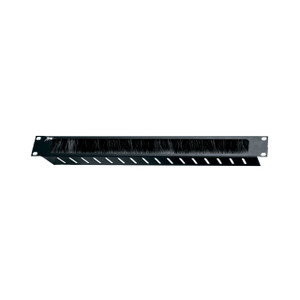
Middle Atlantic Communication Plate - RFB22AB
Communication plate designed for use with Middle Atlantic rack enclosures and furniture systems
Usually Ships in 2-3 Weeks Free shipping over $499$33.81 $32.99 Save $0.82 -
Save $0.84

Middle Atlantic Communication Plate - RFB62A
Communication plate designed for rack-mount installations, specifically to organize and secure network and AV connections
Usually Ships in 2-3 Weeks Free shipping over $499$28.83 $27.99 Save $0.84 -
Save $0.06

Middle Atlantic Coupling - AL5201
Coupling component designed to connect and extend Middle Atlantic rack systems and enclosure assemblies
Usually Ships in 2-3 Weeks Free shipping over $499$13.05 $12.99 Save $0.06 -
Middle Atlantic Crfb Device Plate - CRFB-6COM-4
Device plate designed for integration into Middle Atlantic CRFB series credenza rack furniture
Usually Ships in 2-3 Weeks Free shipping over $499$35.99 -
Save $0.82

Middle Atlantic Crfb Device Plate - CRFB-AB-1
Blank device plate designed for use with Middle Atlantic's Middle Atlantic rack enclosures in the CRFB series
Usually Ships in 2-3 Weeks Free shipping over $499$22.81 $21.99 Save $0.82 -
Save $0.82
Middle Atlantic Crfb Device Plate - CRFB-AB-2
Device plate designed for use with Middle Atlantic CRFB series rack enclosures
Usually Ships in 2-3 Weeks Free shipping over $499$22.81 $21.99 Save $0.82 -
Save $0.82

Middle Atlantic Crfb Device Plate - CRFB-AB-3
Blank device plate designed to fill open panel positions within Middle Atlantic's Middle Atlantic rack cabinet enclosures
Usually Ships in 2-3 Weeks Free shipping over $499$22.81 $21.99 Save $0.82 -
Save $0.12
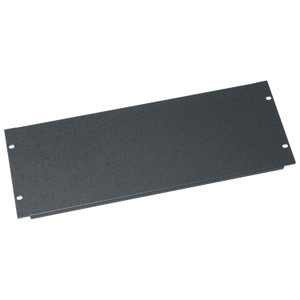
Middle Atlantic Crfb Device Plate - CRFB-B-4
Blank device plate designed for use with Middle Atlantic CRFB-series rack enclosures
Usually Ships in 2-3 Weeks Free shipping over $499$16.11 $15.99 Save $0.12 -
Save $0.62
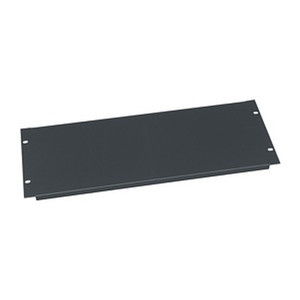
Middle Atlantic Crfb Device Plate - CRFB-BEZ6A-4
Blank bezel device plate designed to fill open device slots in Middle Atlantic CRFB series credenza and furniture-format rack enclosures
Usually Ships in 2-3 Weeks Free shipping over $499$76.61 $75.99 Save $0.62 -
Save $0.59
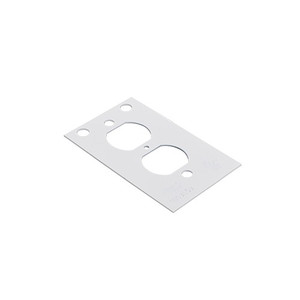
Middle Atlantic Crfb Device Plate - CRFB-D-4
Device plate designed for use with Middle Atlantic's Middle Atlantic rack enclosures and credenza furniture systems
Usually Ships in 2-3 Weeks Free shipping over $499$17.58 $16.99 Save $0.59 -

Middle Atlantic Crfb Device Plate - CRFB-KO-4
Knock-out device plate designed for use with Middle Atlantic CRFB series rack frames
Usually Ships in 2-3 Weeks Free shipping over $499$25.99 -
Save $0.81
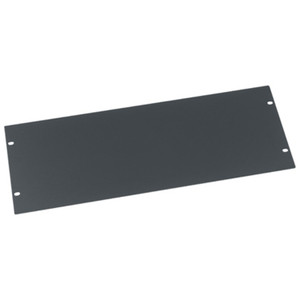
Middle Atlantic Crfb Device Plate - CRFB-MAAP-4
Device plate designed for secure mounting of AV and networking equipment within Middle Atlantic's CRFB series enclosures
Usually Ships in 2-3 Weeks Free shipping over $499$21.80 $20.99 Save $0.81 -
Save $0.19

Middle Atlantic Crfb Device Plate - CRFB-RT-1
Device plate designed for use with Middle Atlantic CRFB-series rack frames
Usually Ships in 2-3 Weeks Free shipping over $499$30.18 $29.99 Save $0.19 -
Save $0.19
Middle Atlantic Crfb Device Plate - CRFB-RT-2
Device plate designed for integration within the Middle Atlantic CRFB rack enclosure series
Usually Ships in 2-3 Weeks Free shipping over $499$30.18 $29.99 Save $0.19 -
Save $0.19

Middle Atlantic Crfb Device Plate - CRFB-RT-3
Blank device plate designed for use with Middle Atlantic CRFB series rack enclosures
Usually Ships in 2-3 Weeks Free shipping over $499$30.18 $29.99 Save $0.19 -
Save $0.82

Middle Atlantic Crfb Device Plate - CRFB-SR1-4
Blank device plate from Middle Atlantic designed to fill unused rack unit space in Middle Atlantic rack enclosures
Usually Ships in 2-3 Weeks Free shipping over $499$29.81 $28.99 Save $0.82 -
Save $0.38
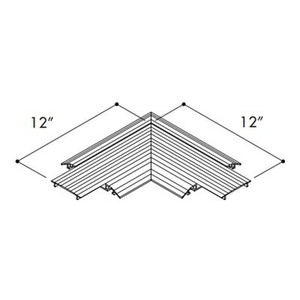
Middle Atlantic CT.C.DT3.1-DG 2 Gang Under Carpet
2-gang under-carpet floor box designed for AV signal routing without an integrated power module
Usually Ships in 2-3 Weeks Free shipping over $499$286.37 $285.99 Save $0.38 -
Save $0.01

Middle Atlantic Cutout FOR Extron Cable Cubby 202 - CUT-EXCC202
Pre-cut panel insert designed to accommodate the Extron Cable Cubby 202 within Middle Atlantic furniture and rack enclosures
Usually Ships in 2-3 Weeks Free shipping over $499$33.00 $32.99 Save $0.01 -
Save $0.01
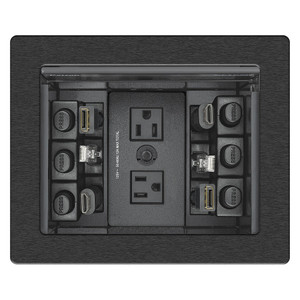
Middle Atlantic Cutout FOR Extron Cable Cubby 700 - CUT-EXCC700
Factory-cut opening panel that lets you mount an Middle Atlantic furniture enclosure accept the Extron Cable Cubby 700 series directly — no field
Usually Ships in 2-3 Weeks Free shipping over $499$33.00 $32.99 Save $0.01 -
Save $0.84
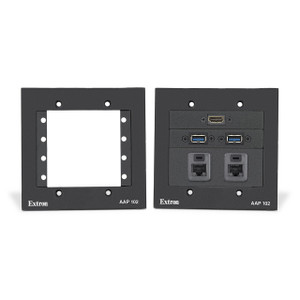
Middle Atlantic Data Brkt-extron AAP - DTB-2-AAP
Dedicated data bracket designed to integrate Extron AAP (Architectural Adapter Plate) modules directly into Middle Atlantic rack enclosures and
Usually Ships in 2-3 Weeks Free shipping over $499$57.83 $56.99 Save $0.84 -
Save $0.01
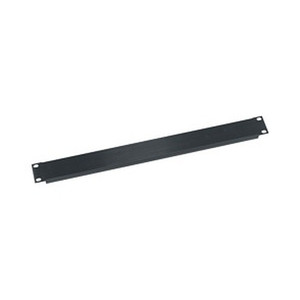
Middle Atlantic DB15 MULTIPIN(2)PORT UCP - 2DB15
Compact, 2-module capacity Universal Connector Panel (UCP) faceplate designed for clean, organized integration of AV and IT components
Usually Ships in 2-3 Weeks Free shipping over $499$30.00 $29.99 Save $0.01 -
Save $0.55

Middle Atlantic DBL Gang Plate 2GFI - FP2G2GFI
Double gang faceplate configured with two ground fault interrupter (GFI) outlets, designed for integration into Middle Atlantic rack enclosures and
Usually Ships in 2-3 Weeks Free shipping over $499$41.54 $40.99 Save $0.55 -
Save $0.72
Middle Atlantic DBL Gang Plate W/2 1/2IN - FP50-50
Double-gang faceplate designed for structured rack installations where cables or connectors need a clean, defined pass-through point in a panel or
Usually Ships in 2-3 Weeks Free shipping over $499$55.71 $54.99 Save $0.72 -
Save $0.98

Middle Atlantic DBL Gang Plate W/2 3/4IN - FP75-75
Double gang faceplate designed for use with Middle Atlantic rack enclosures and furniture systems
Usually Ships in 2-3 Weeks Free shipping over $499$53.97 $52.99 Save $0.98