
Showing Results for Facial Recognition Devices/Readers
-
Save $0.81

Speco Technologies N16NRD32TB 16 Channel NVR
16-channel NVR with real-time facial recognition and 32TB storage
- 16-channel simultaneous recording with integrated face detection and recognition
- 32TB factory-installed storage for extended retention and forensic review
- Dual LAN ports with redundant failover; ONVIF Profile S and T compatible
Usually Ships in 2-3 Weeks Free shipping over $499$1,840.80 $1,839.99 Save $0.81 -
Save $767.51

Speco Technologies N16NRE 16 Channel NVR
16-channel NVR with integrated facial recognition for enterprise security
- Records 16 IP cameras simultaneously with 4K resolution and ONVIF compatibility
- Facial recognition analytics engine detects and identifies faces for investigations
- Intelligent video detection reduces false alarms and accelerates incident response
Usually Ships in 2-3 Weeks Free shipping over $499$1,243.50 $475.99 Save $767.51 -
Save $2,049.81

Speco Technologies N16NRE12TB 16 Channel Facial Recognition 12TB
16-channel NVR with built-in facial recognition and 12TB storage
- Real-time facial recognition engine identifies individuals across monitored areas
- 16 IP camera inputs with dual-stream recording and event-triggered capture
- Object detection, tracking, and behavioral analysis reduce false alarms
Usually Ships in 2-3 Weeks Free shipping over $499$3,338.80 $1,288.99 Save $2,049.81 -
Save $2,545.81
Speco Technologies N16NRE16TB 16 Channel Facial Recognition Rec
16-channel NVR with onboard facial recognition and 16TB storage
- 16 simultaneous IP camera channels with integrated deep learning facial recognition
- 16TB hard drive captures extended retention without external cloud dependency
- Real-time video analytics and event triggering across all 16 channels
Usually Ships in 2-3 Weeks Free shipping over $499$4,121.80 $1,575.99 Save $2,545.81 -
Save $4,324.01
Speco Technologies N16NRE28TB 16 Channel Facial Recognition Rec
16-channel NVR with 28TB storage and built-in facial recognition
- 16-channel simultaneous IP recording with H.265/H.264 codec support
- 28TB integrated hard drive for extended video retention without external NAS
- Deep-learning facial detection and identification with motion and behavioral analytics
Usually Ships in 2-3 Weeks Free shipping over $499$7,043.00 $2,718.99 Save $4,324.01 -
Save $5,232.51

Speco Technologies N16NRE32TB 16 Channel NVR
16-channel NVR with 32TB storage and onboard facial recognition
- 16-channel IP recording with H.265, H.264, and MJPEG codec support
- Integrated facial recognition and smart detection analytics on device
- 32TB internal storage for extended retention without external NAS
Usually Ships in 2-3 Weeks Free shipping over $499$8,470.50 $3,237.99 Save $5,232.51 -
Save $959.01
Speco Technologies N16NRE3TB 16 Channel NVR
16-channel NVR with on-device facial recognition, 3TB storage
- Facial recognition processes all 16 channels simultaneously without external servers
- 3TB internal drive supports H.265, H.264, and MJPEG from mixed cameras
- PoE-powered, ONVIF-compliant recorder consolidates video and AI analytics
Usually Ships in 2-3 Weeks Free shipping over $499$1,553.00 $593.99 Save $959.01 -
Save $1,082.31
Speco Technologies N16NRE4TB 16 Channel Facial Recognition NVR
16-channel NVR with 4TB storage and integrated facial recognition
- 16 simultaneous IP camera channels with H.265/H.264 codec support
- Built-in facial recognition for suspect matching and forensic investigation
- 4TB onboard storage for extended multi-channel recording retention
Usually Ships in 2-3 Weeks Free shipping over $499$1,763.30 $680.99 Save $1,082.31 -
Save $471.46
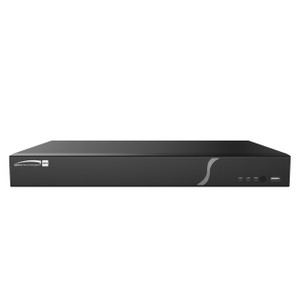
Speco Technologies N16NRX 16 Channel Facial Recognition Recorder
16-channel NVR with on-device facial recognition and NDAA compliance
- 16 simultaneous video streams with integrated facial detection and matching
- H.265 compression reduces storage and bandwidth across enterprise networks
- Object detection and classification analytics minimize false alarms
Usually Ships in 2-3 Weeks Free shipping over $499$1,038.45 $566.99 Save $471.46 -
Save $2,445.51

Speco Technologies N16NRX12TB 16 Channel NVR
16-channel NVR with built-in facial recognition and 12TB storage
- 16 IP camera channels with native facial recognition and object detection
- 12TB HDD for 30–60 day retention at standard bitrates and resolutions
- ONVIF Profile S/T/G compatible with dual GigE ports and failover support
Usually Ships in 2-3 Weeks Free shipping over $499$3,983.50 $1,537.99 Save $2,445.51 -
Save $2,976.81
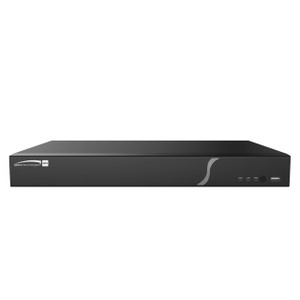
Speco Technologies N16NRX16TB 16 Channel Facial Recognition NVR
16-channel NVR with built-in facial recognition and 16TB storage
- 16 simultaneous IP camera inputs with on-board facial detection engine
- 16TB pre-installed HDD for extended recording retention across all channels
- Real-time object detection and motion analysis without external processing
Usually Ships in 2-3 Weeks Free shipping over $499$4,848.80 $1,871.99 Save $2,976.81 -
Save $2,131.11

Speco Technologies N16NRX24TB 16 Channel NVR
16-channel NVR with 24TB storage and embedded facial recognition for mid-scale deployments
- Facial detection and watch-list matching across all 16 IP camera streams in real time
- 24TB integrated storage supports extended retention for forensic review and compliance
- Object detection and behavioral monitoring with customizable alerts on ONVIF cameras
Usually Ships in 2-3 Weeks Free shipping over $499$4,695.10 $2,563.99 Save $2,131.11 -
Save $557.56
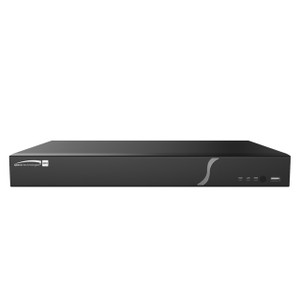
Speco Technologies N16NRX2TB 16 Channel NVR
16-channel NVR with 2TB storage and built-in facial recognition
- Records 16 IP cameras simultaneously with integrated facial recognition for real-time identification
- 2TB onboard storage eliminates need for external NAS; ONVIF-compliant for any camera brand
- Motion detection and analytics-driven recording modes reduce storage use and investigation time
Usually Ships in 2-3 Weeks Free shipping over $499$1,229.55 $671.99 Save $557.56 -
Save $4,943.81
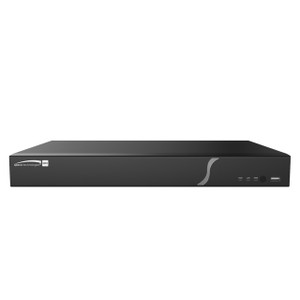
Speco Technologies N16NRX32TB 16 Channel NVR
16-channel NVR with 32TB storage and on-board facial recognition
- Real-time facial recognition engine identifies and catalogs faces across all 16 channels simultaneously
- 32TB integrated hard drive supports extended retention for continuous recording without external storage
- Object detection and behavior analysis process video locally with event-driven alerts
Usually Ships in 2-3 Weeks Free shipping over $499$8,052.80 $3,108.99 Save $4,943.81 -
Save $265.81
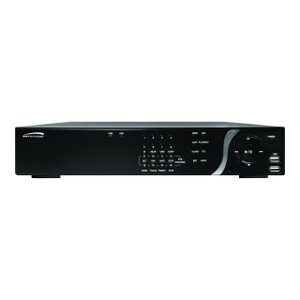
Speco Technologies N8NRE4TB 8-Channel NVR
8-channel NVR with on-premise facial recognition and 4TB storage
- Real-time facial detection and matching without external GPU or cloud
- 8-channel simultaneous recording with H.265/H.264 codec flexibility
- Object detection and behavior monitoring with configurable event alerts
Usually Ships in 2-3 Weeks Free shipping over $499$565.80 $299.99 Save $265.81 -
Save $2,476.01

Speco Technologies N8NRX16TB 8 Channel NVR
8-channel NVR with onboard facial recognition and 16TB storage
- Facial detection, extraction & recognition built into recorder—no external server needed
- 8 concurrent IP camera streams with 16TB integrated drive for extended retention
- Multi-object detection & behavioral analytics on ONVIF-compliant camera feeds
Usually Ships in 2-3 Weeks Free shipping over $499$4,033.00 $1,556.99 Save $2,476.01