What's the difference between fail-safe and fail-secure locks?
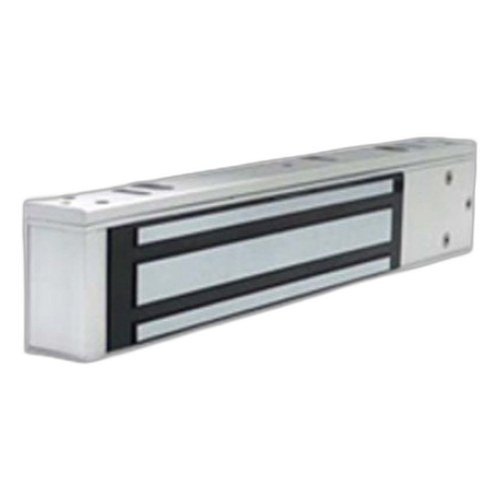
Fail-safe locks (also called "power-to-lock") unlock on power loss — required for egress routes by most fire and life-safety codes. Fail-secure locks ("power-to-unlock") stay locked on power loss — typically used on office, storage, and supply doors where security trumps egress. Always confirm lock selection with the local AHJ; see our fail-safe vs fail-secure guide.
Is OSDP required for new access control installations?
Not legally required in most jurisdictions — but strongly recommended and effectively mandatory for federal deployments. OSDP with Secure Channel provides AES-128 encryption between reader and controller, bidirectional supervision, and future-proof support for mobile credentials. Legacy Wiegand is unencrypted and easily cloned. New deployments should be OSDP-capable from day one; legacy systems should plan a migration path.
Are HID card readers NDAA compliant?
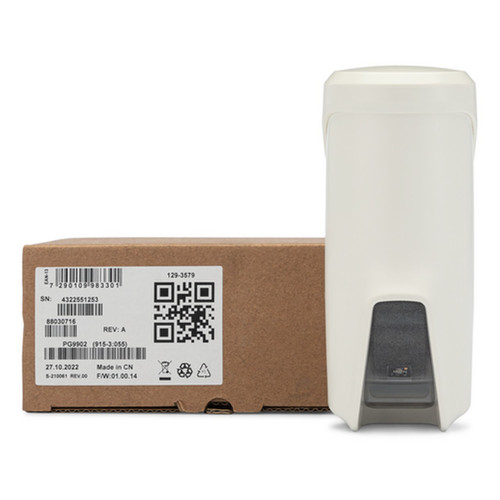
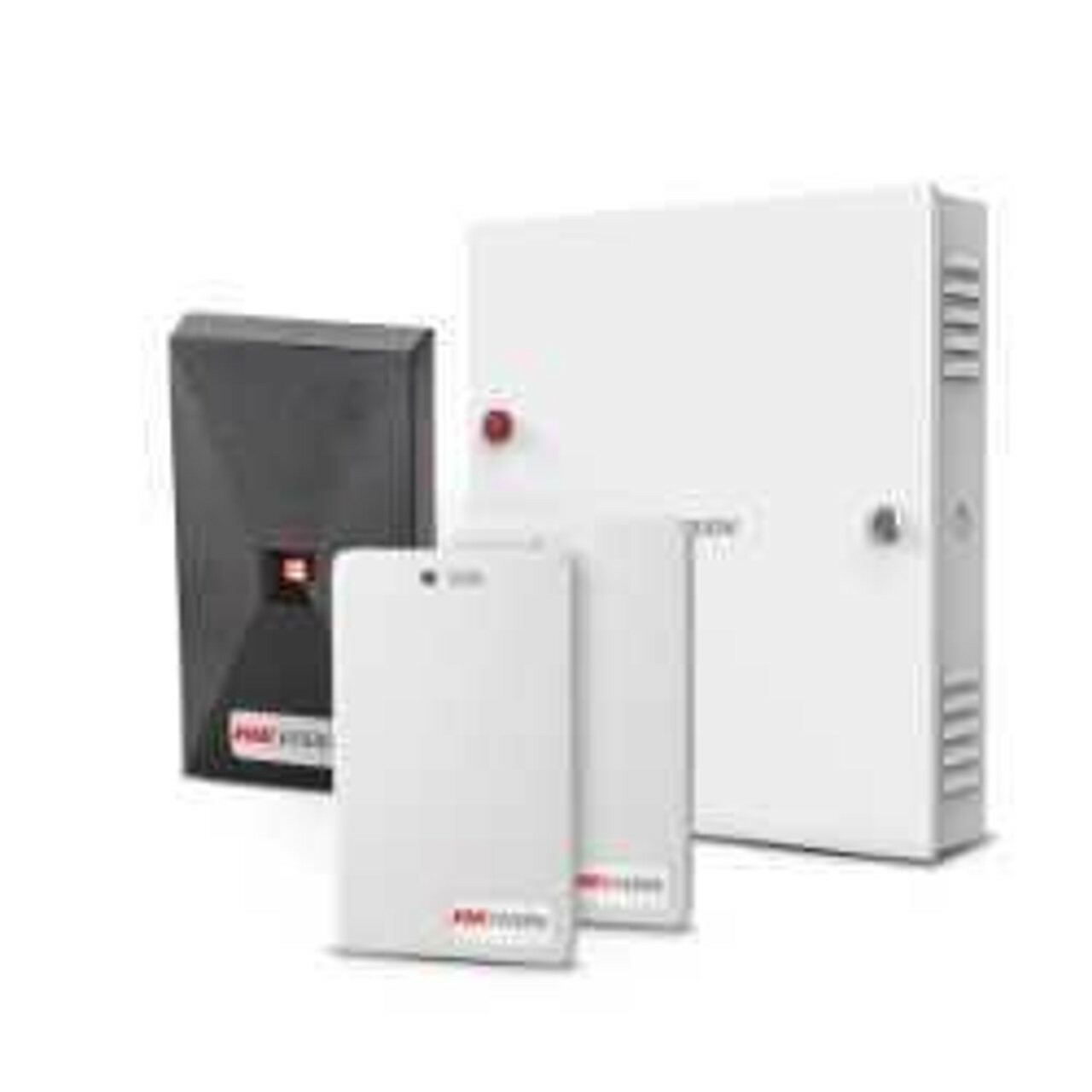
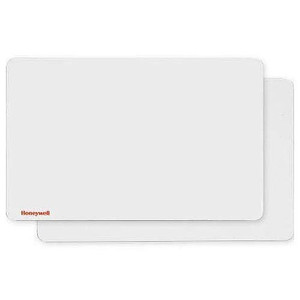
Yes. HID Global is headquartered in Austin, TX, manufactures in multiple allied countries, and is fully NDAA Section 889 compliant. HID Signo, multiCLASS SE, iCLASS SE, and pivCLASS reader families are all eligible for federal, state government, and critical-infrastructure procurement. Credential cards are manufactured to the same compliance standard.
How do I size an access control power supply?
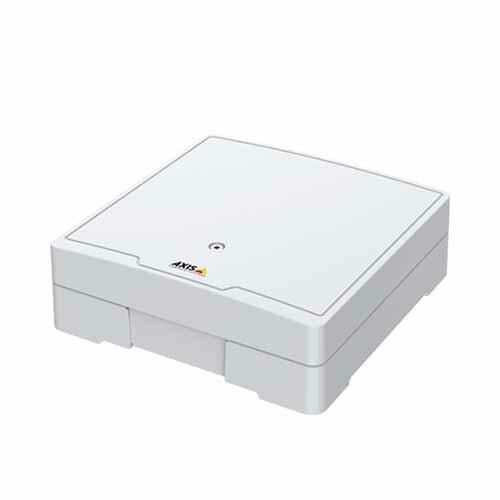
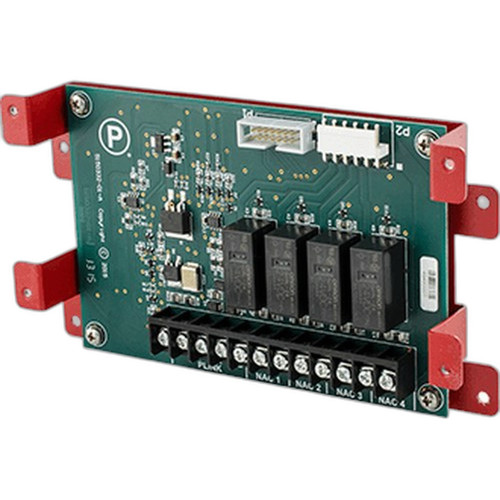
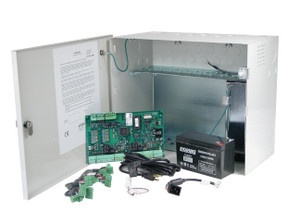
Add up holding current for all locks + reader standby current + controller standby current, then add 25% headroom for inrush and aging. Battery backup should provide code-required standby runtime (typically 4 hours for fire-alarm tie-ins; 15 min for access-only). Altronix UL 294 power supplies post clear spec sheets for total and per-output current — match to your actual load, don't guess.
Can mobile credentials replace physical access cards?
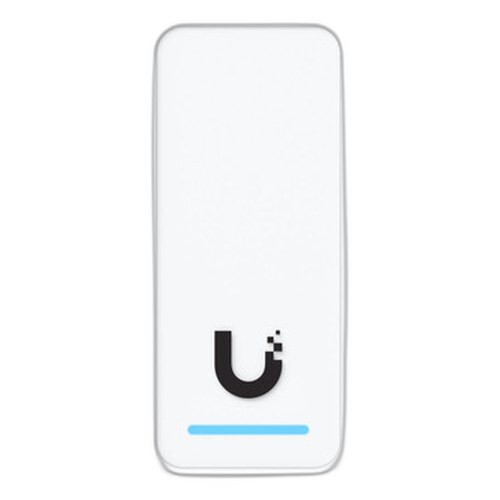
In most modern deployments, yes — but the reader has to support it. Readers need NFC and/or BLE (Bluetooth Low Energy) plus a partnership with the mobile credential platform (HID Mobile Access, Openpath, Kastle, etc.). Older proximity-only readers cannot read mobile credentials. Mobile adoption is usually mixed with physical cards during a multi-year transition — plan for both.
What's the difference between iCLASS SE and Seos credentials?
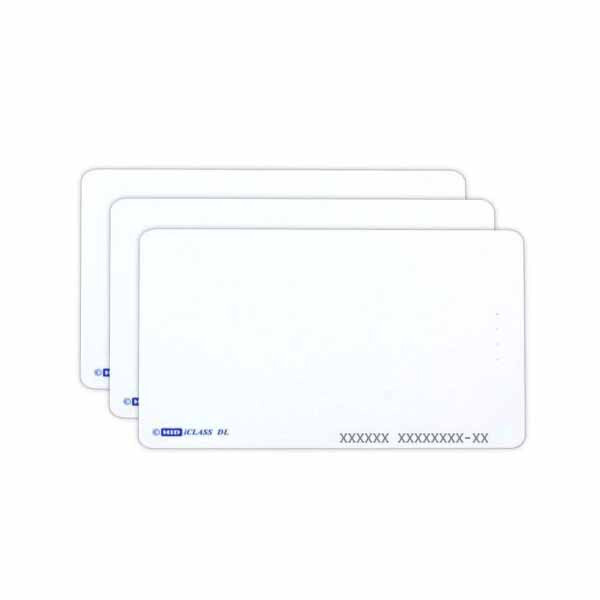
iCLASS SE was HID's previous-generation secure credential (AES-128, 2013-era). Seos is the current generation (2016+) — same AES-128 security, but multi-application, mobile-wallet capable, and future-proof. Seos credentials work on Seos-capable readers and on older iCLASS SE readers. iCLASS SE credentials do not work on legacy (pre-SE) iCLASS readers. See our HID Global catalog for current Seos SKUs.