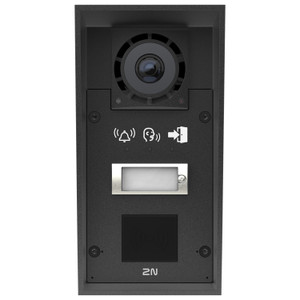
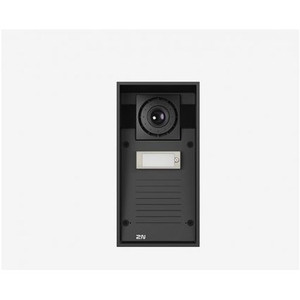
2N 01342-001 IP Force 4-Button IP Intercom
The 2N 01342-001 is a network-connected IP intercom designed to handle visitor communication and access control signaling in enterprise facilities, warehouses, and multi-tenant buildings. Unlike standalone intercoms, this unit integrates directly into IP-based security infrastructure, allowing centralized configuration and monitoring alongside your camera and access control systems — no proprietary hardware or secondary management platform required.
Key Features
- 4-button interface: Buttons can be programmed for context-specific functions — dialing extensions to a staffed desk, triggering magnetic door locks, or routing calls to security — without reprogramming the intercom itself. This flexibility matters when repurposing a building entrance or shifting tenant assignments.
- 10W integrated speaker: Delivers sufficient audio output for entry vestibules and outdoor covered areas. At 10W, conversations remain intelligible even in moderately noisy environments (loading docks, manufacturing floors) where smaller speakers would be drowned out. Indoor quiet zones will perceive this as relatively loud; outdoor unshielded areas may require a second speaker or horn for full coverage.
- H.264 compression: Audio is encoded in H.264, the same codec used by most IP cameras and NVRs. This means you can archive intercom traffic on your existing network video recorder without dedicated audio storage, reducing operational overhead and licensing costs associated with standalone voice logging systems.
- IP-based architecture: Connects via standard Ethernet (PoE-powered or auxiliary 12VDC supply, depending on configuration). Centralized management means you can monitor call activity, adjust button assignments, and troubleshoot connectivity from your security operations center rather than dispatching a technician to the device itself.
- Access control integration: Works with standard IP-based access control systems via SIP (Session Initiation Protocol) and relay outputs. Door strike activation, gate openers, and alarm signaling can be triggered from button presses without custom relay wiring.
- Enterprise interoperability: Integrates with 2N IP cameras and related 2N security products, as well as third-party IP-PBX systems and SIP-compliant access control platforms. Verify compatibility with your VMS or access control vendor before deployment.
Integration & Compatibility
The 01342-001 communicates via SIP protocol, which is widely supported in commercial IP-PBX systems (3CX, Asterisk, enterprise Cisco Call Manager deployments) and modern access control platforms. If your facility runs legacy TDM phone systems or analog intercoms, integration will require a protocol bridge or SIP gateway — check with your integrator before ordering. Network bandwidth impact is minimal: audio streams consume roughly 64–128 kbps depending on codec bitrate, so a single intercom won't stress a typical enterprise connection. Multiple intercoms in the same facility should be provisioned on a dedicated VLAN to prevent intercom audio traffic from competing with camera streams during bandwidth saturation.
Power delivery: confirm whether your installation uses PoE infrastructure or existing 12VDC runs. The datasheet specifies power requirements; sizing a PoE switch or PSU before installation prevents field rework and callback costs.
When to Choose a Different Model
If your facility requires a video intercom (tenant can see the visitor before buzzing them in), the 2N IP Force line includes video-enabled variants — consult the 2N catalog or your integrator. If the 4-button layout is too restrictive for your application (e.g., you need 12+ programmable keys for a large lobby with multiple departments), consider a full IP phone or a larger commercial intercom panel from the same manufacturer. If your site has no IP infrastructure and you cannot justify wiring Ethernet, a traditional analog intercom with a relay module may be more cost-effective for that single location.
Frequently Asked Questions
Q: Is the 2N 01342-001 weatherproof for outdoor mounting?
A: Check the datasheet for the IP rating. Most 2N IP intercoms are rated IP54 or better, suitable for covered entries and protected outdoor areas. Full rain exposure (IP67) may require an additional weatherproof backbox or canopy. Verify the specific model's environmental rating before installing in an exposed location.
Q: Does the 01342-001 work with Milestone XProtect or other VMS platforms?
A: Audio integration depends on your VMS's SIP support and intercom driver availability. Many modern VMS platforms can ingest SIP-based intercom calls; some require a third-party plugin. Confirm compatibility with your VMS vendor before design.
Q: What power options are available for the 01342-001?
A: The unit supports both PoE (802.3af or 802.3at, depending on configuration) and 12VDC auxiliary power. Consult the datasheet for wattage specs. If you're powering multiple devices on a single PoE switch, verify that your switch has sufficient power budget after accounting for cameras and other PoE loads.
Q: Can I reprogram the buttons in the field without calling the integrator?
A: Button programming is typically done via a web interface or configuration tool. If your facility IT staff has admin access to the 2N device management portal, they can usually adjust button mappings without on-site changes. Confirm this workflow during system design.
Q: Does H.264 compression reduce audio quality compared to uncompressed audio?
A: H.264 at standard bitrates (64–128 kbps) is transparent to human ears in voice communication — you won't hear the difference in a real intercom conversation. The trade-off is minimal file size, which matters for long-term archival on your NVR.
Q: What happens if the network goes down?
A: The intercom relies on IP connectivity to function. If your network is down, the 01342-001 cannot place or receive calls. If this is a critical entrance, consider a fallback analog system or a UPS-backed network segment to ensure continuity.
Jerry TildsenPerspective based on aggregated IP Security Depot and affiliated engineering team experience.
The 2N 01342-001 is a solid fit for facilities already committed to IP-based access and surveillance. The H.264 audio codec is the key selling point — it lets you archive intercom traffic on your existing NVR without spinning up a separate voice-logging appliance. That saves licensing and operational headaches. The 10W speaker is loud enough for most indoor and semi-outdoor covered areas; if you're deploying it in a noisy industrial facility, test the audio on-site before final sign-off.
Technical Highlights:
- 4-button programmability: Eliminates the need for custom relay logic. Each button can trigger SIP calls, door strikes, or paging — all configured through a management interface without on-device jumpers or DIP switches.
- H.264 compression: Reduces audio file size by 60–80% compared to uncompressed PCM, meaning your NVR's storage doesn't bloat from archiving intercom conversations alongside video. For a facility running 24/7 recording, this compounds to meaningful storage savings over months.
- SIP protocol: Works with any IP-PBX or SIP gateway, so you're not locked into a proprietary platform. Integrates with 3CX, Asterisk, and enterprise phone systems — check your stack before ordering.
Deployment Considerations:
- Network dependency: The 01342-001 has no fallback audio path if your Ethernet drops. If this entrance is critical 24/7, provision a secondary analog intercom or ensure your network backbone is redundant.
- Button layout is fixed at four — confirm this is enough for your use case. A lobby serving a 20-tenant building may need additional keys for department routing; larger installations should spec a video intercom or IP phone panel instead.
- Audio quality is telephone-grade (narrowband) by default — fine for voice but inadequate for music or detailed audio alerts. If you need hi-fi audio playback, explore a dedicated audio device alongside the intercom.
Deploy the 01342-001 at a single-entrance office building, warehouse loading dock, or small multi-tenant facility where IT manages the IP backbone and intercom calls can route through an existing PBX. Skip it if your facility lacks reliable Ethernet, runs legacy analog intercoms with no upgrade path, or needs more than four programmable buttons without a larger panel.