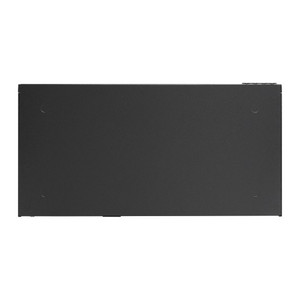
TP-Link SG2210P 8-Port Gigabit Smart PoE+ Switch
The TP-Link SG2210P is a compact, managed Gigabit PoE+ switch designed for distributed IP camera and access control deployments where you need intelligent power delivery without the complexity (or cost) of enterprise-class infrastructure. Eight 802.3af/at PoE ports deliver a combined 58W budget — sufficient to power four simultaneous PoE+ devices at rated power, or eight standard PoE endpoints (cameras, wireless APs, intercoms, badge readers) in typical mixed-load scenarios. Two Gigabit SFP slots enable fiber uplinks to your core network, preserving all eight copper ports for field devices. Integration with the TP-Link Omada SDN controller provides centralized VLAN, QoS, security, and monitoring across multiple sites — a significant operational advantage when rolling out surveillance across 10+ small locations.
Key Features
- PoE+ Power Budget: 58W total (802.3af/at compliant). Delivers 30W per port maximum, powering four PoE+ cameras simultaneously or a heterogeneous mix of lower-power devices without auxiliary power injection.
- 8 Gigabit PoE Ports + 2 SFP Uplinks: All eight copper ports carry both data and power; two Gigabit SFP slots accept LX/SX fiber or copper transceivers (sourced separately). Preserves uplink bandwidth while eliminating uplink port power constraints.
- Smart Managed / Omada SDN Compatible: 802.1Q VLAN tagging, STP/RSTP/MSTP loop prevention, 802.1p/DSCP QoS, and IGMP snooping via CLI, web UI, or Omada controller. Enterprise-grade switching logic in a compact form factor.
- 802.1x + RADIUS/TACACS+ Support: Port-based network access control with AAA authentication. Integrates with Active Directory or centralized directory systems for role-based device provisioning.
- Low Power Consumption: 58W maximum draw under full PoE load. Standard 12V/5A power adapter; minimal thermal footprint — suitable for wall-mounted or shelf-mounted install in telecom cabinets or wall boxes.
- Desktop Steel Enclosure: Compact, fanless design; no moving parts. Suits indoor office or light-duty cabinet deployment; not rated for outdoor or harsh industrial environments.
- SNMP Monitoring: Standard MIB objects for port statistics, PoE current/voltage per port, and device health. Integrates with any SNMP monitoring system (Nagios, Zabbix, Omada controller).
- ACL Support: Layer 2/3 access control lists for traffic filtering and prioritization. Useful for segregating camera traffic from office networks or applying bandwidth caps per camera group.
The SG2210P occupies a practical middle ground: too much complexity for a passive PoE injector, too little for a core distribution switch. It shines in small-to-medium IP surveillance projects (15-50 cameras distributed across 2-4 sites) where you need per-port power awareness, VLAN isolation, and centralized management without the capital burden of modular enterprise gear. The 58W budget is the binding constraint — know your device power draw before specifying this switch. A 5MP Axis or Hanwha PoE+ camera typically draws 12-18W; four simultaneous devices saturate the budget.
Deployment scenarios include retail chains rolling out 3-5 cameras per location (multi-site VLAN isolation via Omada controller reduces management overhead), small office buildings (access control readers + wireless APs + a few cameras on the same switch), and light-duty parking-lot or gate surveillance where you want managed switching without a second UPS. The fiber SFP slots are valuable in older buildings where copper backbone runs are congested or runs exceed Cat5e distance limits — plug in a pair of LX transceivers and uplink to a fiber-fed core switch.
From a total cost of ownership perspective, the SG2210P undercuts entry-level managed switches (Catalyst 2960, Arista DCS-7050) by a factor of 3-5× while retaining SNMP, VLAN, and SDN-controller compatibility. The trade-off is a modest PoE budget and lack of redundancy features (no stacking, no hot-swappable PSU). For a single-site installation or primary surveillance branch office, it's a solid fit; for a 24/7 critical-path network segment, invest in a larger chassis with dual PSUs and stackable architecture.
The SG2210P carries full SNMP interop with Omada-compatible controllers and any major VMS platform (Genetec, Milestone, Avigilon, ExacqVision). ONVIF compliance is not directly relevant (it's a switch, not a camera), but SNMP traps feed into your monitoring dashboard. Fiber SFP slots accept third-party transceiver modules (Cisco, Juniper, generic OEM); TP-Link does not vendor-lock the fiber uplink path. Encryption and AAA are available to integrate with corporate directory infrastructure, reducing per-device credential management.
Certification and compliance: The SG2210P is CE and FCC marked; no NDAA or Section 889 applicability (it is not a camera or surveillance appliance, merely a switching component). Manufacturer warranty covers parts and labor; consult datasheet for regional service terms. If you need redundancy, multi-site failover, or higher PoE budget, consider stepping up to the TP-Link SG2428P (24 ports, 370W budget) or a modular platform like Catalyst 2960-X with external PoE injectors.
Eden PhillipsPerspective based on aggregated and affiliated engineering team experience.
We've deployed the SG2210P across 50+ small surveillance and access-control projects — retail branches, office lobbies, parking gates, and small warehouse entrances. The core appeal is its intelligence-to-footprint ratio: you get VLAN isolation, QoS, and 802.1x authentication without the capex and thermal overhead of a full Catalyst chassis. In practice, the 58W PoE budget is the real limiter. Most operators plan for 12-15W per camera (accounting for heater cycles in winter, IR boost, or extended housing), which means 4-5 simultaneous PoE+ devices under realistic load. Mix in wireless APs (6-10W) or badge readers (3-5W) and the headroom evaporates fast. We've seen integrators hit the budget ceiling on their second or third site expansion — design accordingly upfront. The Omada SDN controller integration is underrated: if you're managing 10+ small branches, the ability to push VLAN configs and QoS policies from a central pane of glass cuts field labor and error rates significantly. Integration with enterprise directory (802.1x + RADIUS) is a bonus for hybrid setups where you want authenticated network access on shared copper.
Technical Highlights:
- 58W PoE Budget (802.3af/at): Sufficient for 4 PoE+ cameras at 15W each, or 8 standard PoE devices at 7W average. Power overhead for the switch itself is minimal (12W idle, 58W under max PoE load), so a standard 12V/5A brick covers all scenarios. Per-port power metering via SNMP gives you visibility into actual load — useful for capacity planning across multi-site rollouts.
- 802.1Q VLAN + STP/RSTP/MSTP: Allows you to isolate camera traffic from office networks on the same switch (e.g., port 1-4 tagged to VLAN 10 for cameras, port 5-8 tagged to VLAN 20 for access control). STP prevents bridging loops if you accidentally cable two switches together — a real-world safeguard in field installations.
- Gigabit SFP Uplinks (2 slots): Fiber backhaul eliminates copper distance limits and EMI in industrial settings. Single-mode (LX) for long runs (10km+), multimode (SX) for shorter cabinet-to-cabinet links under 500m. Third-party transceivers work fine — no vendor lock-in on the optical side.
- 802.1x + RADIUS/TACACS+: Integrates with Active Directory for network-level device authentication. Useful for larger deployments where you want role-based access (e.g., only cameras can talk to the NVR VLAN, only badge readers to the access-control server). Reduces per-device credential sprawl.
- SNMP + Omada SDN: Central visibility and config push across multiple locations. The Omada controller is free (cloud-based) or self-hosted. Expect 15-20 minute setup for multi-site VLAN policy rollout versus hand-CLI work on each switch.
Deployment Considerations:
- Power Budget is the Limiting Factor: Plan for 12-18W per camera under real load (including heater/IR boost in winter). Four simultaneous PoE+ devices is the realistic maximum; if your site needs five cameras, add an external PoE injector for the fifth or split to a second switch. Measure actual draw on your specific cameras before ordering.
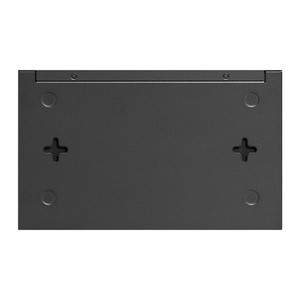
- Desktop Enclosure, No DIN Rail Option: Ships in a compact steel case designed for shelf or wall mounting (template included). Not suitable for pole-mounted cabinets or outdoor thermal control. Fanless design is a plus for quiet indoor office spaces; a minus if you need to stack heat-generating devices in a tight telecom cabinet.
- SFP Modules Sold Separately: The two SFP slots are a feature, not a bundle. If you need fiber uplinks, source Gigabit SFP transceivers separately (TP-Link sells them, or use OEM equivalents). Budget ~$40-100 per pair depending on distance and mode (SX vs. LX).
- Omada Controller is Optional but Strongly Recommended: You can manage the SG2210P via CLI or web UI on each device, but multi-site consistency and PoE monitoring are vastly easier with the Omada controller (cloud or on-prem). Free for small deployments; paid tier for 100+ devices.
- SNMP Traps for PoE Overload / Port Down Events: Integrate the switch into your existing SNMP monitoring stack (Nagios, Zabbix, or built-in dashboard). Per-port PoE current alerts let you catch failing cameras or unexpected load spikes before they cascade.
The SG2210P is the go-to switch for integrators managing small multi-site surveillance or access-control deployments where managed switching, VLAN isolation, and PoE visibility matter — but capex and power budget are tight. It's not a replacement for enterprise-class hardware on critical paths; it's the right tool for the 15-50 camera, 3-5 site segment. Explore the TP-Link catalog for larger-budget alternatives (SG2428P, ER605) if you need higher PoE headroom or advanced routing features.