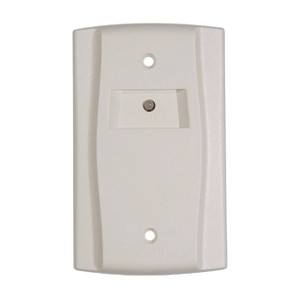
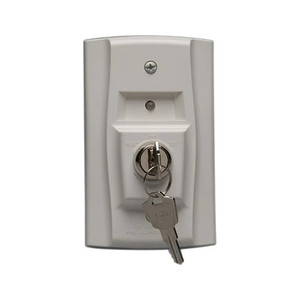
System Sensor RTS2-AOS Remote Test Station for Duct Detectors
The System Sensor RTS2-AOS is a remote test station designed to simplify duct smoke detector commissioning and maintenance across networked fire alarm systems. Instead of climbing ladders or accessing mechanical rooms repeatedly to test individual detectors, technicians can verify detector operation and perform routine checks from a centralized TCP/IP-connected console. This reduces labor time on site and improves consistency of detector validation across large or distributed HVAC systems.
Key Features
- TCP/IP Network Connectivity: Connects via standard network infrastructure, meaning you don't need separate serial lines or proprietary cabling to each detector. Integrates into existing fire alarm control panel networks without major rewiring.
- 29VDC Power Input: Operates directly from standard fire alarm control panel power supplies and UPS backup systems. No additional power conditioning needed — simplifies cabinet wiring and ensures detector testing continues during mains failure.
- Compact Enclosure (14.38 in. L × 5 in. W × 2.5 in. D): Small enough to mount in standard electrical cabinets, mechanical rooms, or wall-mounted near the primary fire alarm panel. Weighs 2.5 lbs, so no reinforced mounting required.
- Centralized Test Access: Technicians can command detector tests, verify smoke response, and log commissioning data without physical proximity to each duct location. Reduces site visits and cuts troubleshooting time when detectors fail to respond as expected.
- System Sensor Duct Detector Compatibility: Engineered for the System Sensor duct detector product line operating on TCP/IP networks. Verify specific detector model compatibility with the control panel documentation or your integrator before ordering.
- UPS Backup Support: 29VDC power from UPS-backed supplies ensures the RTS2-AOS remains functional during power loss, allowing critical detector testing to proceed even if mains AC fails.
Integration & Deployment Context
The RTS2-AOS integrates into fire alarm systems where duct detectors are distributed across HVAC plenums, making manual testing impractical or time-consuming. Typical deployments include large commercial buildings, hospitals, data centers, and warehouses with extensive ductwork. Network integration means the test station reports results to the central fire alarm panel, logging commissioning data and test outcomes automatically. This is especially valuable during initial system commissioning and quarterly maintenance cycles.
Confirm compatibility with your specific fire alarm control panel model and duct detector series before purchase. The RTS2-AOS (often searched as RTS2 AOS) requires a TCP/IP-enabled network environment and should be installed in a secure, climate-controlled location — typical mechanical room temperatures and humidity are acceptable, but avoid direct water spray or extreme temperature swings.
Frequently Asked Questions
Q: Can I use the RTS2-AOS with non-System Sensor duct detectors?
A: No. The RTS2-AOS is purpose-built for System Sensor duct detector systems. Attempting to use it with third-party detectors will not work and may generate false alarms or control panel faults.
Q: What happens to detector testing if the network connection drops?
A: The RTS2-AOS requires active TCP/IP connectivity to the fire alarm control panel to function. If the network is down, remote testing via this station is unavailable. Manual detector testing at the device level may still be possible depending on detector design.
Q: Does the RTS2-AOS require a dedicated power supply, or can it share with the fire alarm panel?
A: The RTS2-AOS draws 29VDC and integrates with standard fire alarm panel power supplies. As long as your panel's power capacity supports the additional load and you have UPS backup for critical testing during outages, shared power is typical and acceptable.
Q: Is installation a field job, or does it require factory configuration?
A: Installation is a field task: mount the unit, wire 29VDC in, connect to the TCP/IP network, and configure network addressing and authentication as required by your panel. No factory preprogramming is needed, but coordination with your fire alarm integrator during system commissioning is strongly recommended.
Q: What environmental conditions does the RTS2-AOS tolerate?
A: The RTS2-AOS is designed for indoor installation in mechanical rooms and control cabinets. It is not rated for outdoor, wet, or direct spray environments. Standard commercial HVAC conditions are suitable.
Ted PerryPerspective based on aggregated IP Security Depot and affiliated engineering team experience.
The System Sensor RTS2-AOS solves a real problem in distributed fire alarm networks: testing duct detectors without physical site visits to every plenum. If you're managing a large building or multi-site facility with dozens of duct detectors, the labor savings from centralized TCP/IP testing are substantial. The RTS2-AOS operates at 29VDC — standard fire alarm power — which means it integrates cleanly into existing control panel supplies and UPS backup systems without additional power infrastructure.
Technical Highlights:
- TCP/IP Network Integration: Eliminates serial lines and proprietary cabling; uses standard network infrastructure already present in modern fire alarm installations. Reduces wiring complexity and improves remote accessibility for commissioning crews.
- 29VDC with UPS Support: Direct compatibility with fire alarm panel power and backup power ensures detector testing capability persists during mains failure — critical for regulatory compliance during planned facility shutdowns or power events.
- Compact Footprint (14.38 × 5 × 2.5 inches, 2.5 lbs): Fits into standard electrical cabinets and mechanical rooms without requiring structural modifications or additional mounting brackets. Simple wall or DIN-rail installation.
Deployment Considerations:
- The RTS2-AOS is System Sensor duct detector–specific; verify your detector model and fire alarm control panel support TCP/IP before committing. Cross-compatibility with older addressable fire alarm panels or non-networked detectors is not guaranteed.
- Network availability is a hard requirement — if your TCP/IP link to the control panel is down, remote testing is offline. Plan network redundancy or failover if detector commissioning during network outages is a business requirement.
Deploy the RTS2-AOS in hospitals, data centers, large commercial buildings, and institutional facilities where ductwork spans multiple stories or zones and manual detector access is costly or unsafe. If your fire alarm system is already networked and your duct detectors are System Sensor units, this station will significantly reduce commissioning labor and improve test documentation compliance.