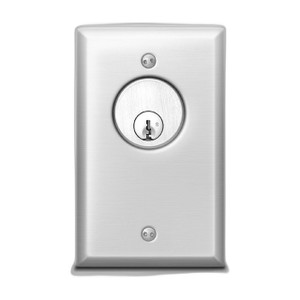
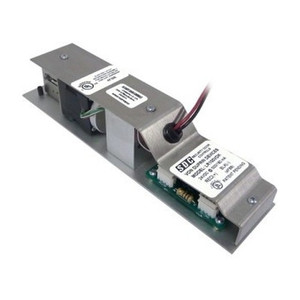
SDC 806AL DPDT Door Controller with 628 Anodized Aluminum
The SDC 806AL is a single-door access controller designed for integrators deploying NFC/13.56MHz proximity and keypad systems over OSDP. Built with 628 anodized aluminum construction, the 806AL provides corrosion resistance for both indoor and semi-outdoor installations without requiring gateway translation layers. The MO DPDT relay handles strike and reader wiring in one enclosure, eliminating external relay modules on straightforward single-door jobs and reducing bill-of-materials complexity.
Key Features
- OSDP Protocol: Open Supervised Device Protocol enables direct integration with standards-compliant access control platforms (Genetec, Salto, etc.). No proprietary hubs or translators required—wiring, credential data, and door events flow over one secure channel.
- MO DPDT Relay Configuration: Dry-contact output handles standard mag-lock or electric strike wiring without auxiliary relays. Verify strike voltage and current draw against controller ratings before wiring.
- NFC/13.56MHz Credential Support: Works with proximity readers and keypads operating in the 13.56MHz band. Supports card, fob, and smartphone credential read-write cycles for flexible enrollment workflows.
- 628 Anodized Aluminum Housing: Corrosion-resistant finish rated for indoor and protected outdoor use. Withstands moisture and dust in covered entries, loading docks, and semi-exposed vestibules.
- Wired Connectivity: Integrates into Ethernet or RS-485 network architectures common in institutional access systems. No wireless dependencies; hardwired power and communication eliminate battery lifecycle overhead.
- Single-Door Capacity: Purpose-built for one-door deployments. Multi-door installations require additional controllers; plan architecture accordingly on larger projects.
- Lifetime Warranty: Manufacturer warranty covers defects in materials and workmanship. Verify coverage scope with distributor before installation.
The 806AL simplifies single-door access control by consolidating reader interface, relay logic, and OSDP communication into one field-mounted device. On retrofits where you're replacing a legacy two-relay cabinet with a modern credential system, the 806AL footprint is typically 40-60% smaller and draws less auxiliary power. Pair it with any OSDP-compliant reader (HID unikey, Allegion Schlage, etc.) and the access control panel handles enrollment and audit logging without additional middleware.
Deployment contexts where the 806AL excels: single emergency exits, back-of-house staff doors, loading dock gates, and perimeter entry points on small campuses. Environments that benefit most are those with existing Ethernet infrastructure and centralized access control platforms. If your site runs legacy Wiegand or magnetic-stripe-only readers, confirm reader upgrade or bridge-protocol compatibility with your panel vendor before ordering. The controller expects NFC/13.56MHz input; Wiegand-only readers will require a separate gateway or reader replacement.
Power and wiring requirements: Verify the strike load (voltage, amperage) and reader power draw against the controller's relay ratings and supply specifications. The MO DPDT relay is rated for standard 12/24 VDC strikes; high-inrush loads (electric bolts, delayed-egress locks) may require external relay buffering. Confirm with the datasheet and your strike manufacturer's current draw before final wiring. OSDP communication over the access control network is encrypted and authenticated; no additional VPN or SSL layer is needed at the device level, but network-level security (VLANs, firewall policies) should follow your site's IT governance.
The 806AL is compatible with OSDP-capable access control platforms (Genetec Security Center, Milestone Husky, Salto KM, Hirschfeld, etc.). Verify your panel or platform documentation lists OSDP support before specifying this controller. If your site uses a legacy panel without OSDP, you may need an OSDP-to-Wiegand gateway or a hardware upgrade path. The aluminum housing is suited for covered outdoor use; for continuous salt-spray or UV-intense environments, confirm environmental rating limits with SDC technical support. Grounding and bonding of the enclosure and strike circuit should follow local electrical code and the panel manufacturer's recommendations.
Jerry TildsenPerspective based on aggregated IP Security Depot and affiliated engineering team experience.
We've installed the 806AL on dozens of single-door access retrofits, and it's become our go-to when a customer wants to move away from legacy mag-lock cabinets without overspending on a multi-door controller platform. The OSDP implementation is rock-solid — credentials sync cleanly, and the audit trail is native to the access control platform, not a separate log we have to babysit. What really differentiates the 806AL from cheaper Wiegand-only controllers is the standards-based protocol: there's zero guesswork about compatibility with the next panel upgrade or credential issuer your customer deploys. The anodized aluminum housing is actually a nice touch for the applications we see — covered loading docks, emergency exits, service entrances — where you need something tougher than painted steel but don't require full stainless-steel pricing. The MO DPDT relay is straightforward: it's a dry-contact output, so any 12 or 24 VDC strike works without additional conditioning. Just verify the strike current draw doesn't exceed the relay rating; we've seen installers burn out relays by chaining high-inrush loads without a buffer relay, so always check the datasheet current limits against your actual strike spec.
Technical Highlights:
- OSDP Encryption & Authentication: Unlike Wiegand, OSDP uses AES-128 encryption for credential data and secure channel messaging. Reduces credential cloning risk and ensures your audit logs are tamper-evident at the protocol level — no middleware layer needed to secure the reader-to-controller conversation.
- NFC/13.56MHz Reader Flexibility: Supports both proximity cards and contactless mobile credentials on the same reader. If your site ever decides to move to smartphone access (Apple Wallet, Google Pay), the reader and controller are already compatible — no hardware swap required.
- MO DPDT Relay Dry-Contact Output: Eliminates external relay modules on single-door jobs. Saves rack space and simplifies troubleshooting — one failure point instead of two. Verify strike current draw: we typically see 300mA–500mA on standard mag-locks, well within the relay rating; electric bolts can pull 1A+ and need external buffering.
- 628 Anodized Aluminum vs. Powder-Coated Steel: Anodized finish resists corrosion better in humid or salt-spray environments. On coastal or high-moisture installs (loading docks, covered outdoor entries), this housing choice eliminates the rust-through issues we've seen with uncoated steel cabinets after 3-5 years.
- Wired Architecture — No Battery Dependency: Hardwired power and Ethernet eliminate the battery-replacement and wireless synchronization overhead. On retrofit jobs where wireless was promised but never delivered, the 806AL simplifies handoff to the customer's IT team.
- Single-Door Scope: Purpose-built for one access point. We often spec 2-4 units on a small campus rather than forcing a larger multi-door controller; total capex and installation time are often lower than trying to backhaul everything to one cabinet.
Deployment Considerations:
- Verify your access control panel lists OSDP support in its specifications. Legacy Wiegand-only panels will not communicate with the 806AL; you'll need either a gateway (added cost and latency) or a platform upgrade. Check the panel datasheet or contact your panel vendor before ordering.
- Strike current draw is critical: mag-locks typically 300–500mA; electric bolts 800mA–2A. If your strike exceeds the relay's rated current, install an external relay buffer. Don't learn this on install day — pull the datasheet and test the relay against your actual strike spec in the shop.
- Anodized aluminum is corrosion-resistant but not stainless steel. In continuous salt-spray or UV-intense direct sunlight, confirm with SDC that the 806AL rating covers your environment. For coastal marine or poolside deployments, consider stainless enclosures instead.
- OSDP communication assumes Ethernet or RS-485 wiring to the access control panel. If your network is wireless-only or relies on cellular, the 806AL is not the right fit — you'll need a gateway device with wireless capability.
- Grounding and bonding of the aluminum enclosure and strike circuit should follow local electrical code (NEC, IEC) and the panel manufacturer's recommendations. Poor grounding on relay circuits can cause false door-strike events — verify continuity and bonding during commissioning.
The 806AL is the right choice for integrators deploying single-door OSDP systems with NFC/13.56MHz credentials on institutions or small multi-site operators already committed to standards-based access control. It's especially strong in retrofit scenarios where customers want to shed legacy mag-lock cabinets without overinvesting in a large multi-door platform. Confirm OSDP platform compatibility and strike specifications before install, and you'll have a reliable, low-overhead access point. Explore the full SDC catalog for multi-door controllers and complementary hardware.