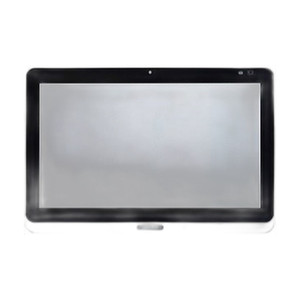
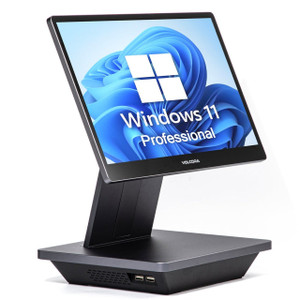
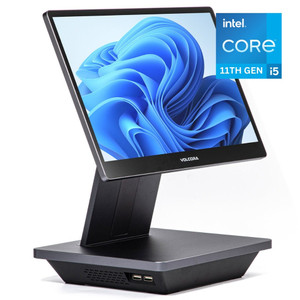
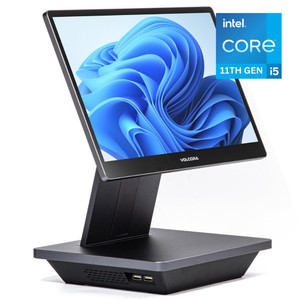
PioneerPOS R483PC01002P S516 Fanless Surveillance Base Unit
The PioneerPOS R483PC01002P is a compact fanless base unit designed for surveillance recording, retail POS integration, and edge analytics in space-constrained environments. Built on an Intel Celeron N150 processor with 8GB RAM and 128GB SSD storage, it runs Windows 11 LTSC — a long-term support OS variant that eliminates forced feature updates and extends deployment stability through extended support cycles. Dual connectivity (WiFi 802.11 + Gigabit Ethernet) enables flexible network integration without external adapters. The fanless design eliminates mechanical failure points, reducing maintenance burden in 24/7 recording scenarios and making this unit suitable for silent-operation retail, healthcare, and surveillance environments where acoustic performance matters.
Key Features
- Intel Celeron N150 Processor: Entry-to-mid-tier x86 compute. Handles 4–8 simultaneous camera streams at standard bitrate (H.264/H.265) and lightweight edge analytics without throttling.
- 8GB RAM + 128GB SSD Storage: Adequate for moderate surveillance workloads and local event caching. SSD eliminates mechanical spindle, reducing power draw and thermal load in fanless enclosure.
- Windows 11 LTSC Operating System: Long-term support branch suppresses automatic OS updates for 5+ years. Eliminates unscheduled reboots mid-recording and maintains API/driver stability for legacy surveillance applications.
- Fanless Passive Thermal Design: No mechanical fan — zero acoustic output, no moving parts to fail. Passive heatsinking requires adequate ambient airflow but eliminates fan replacement costs and environmental dust ingestion.
- Dual Connectivity (WiFi + Ethernet): Integrated 802.11 WiFi for supplemental or backup network access; Gigabit Ethernet for primary 24/7 recording. Avoids external USB adapters and associated driver complexity.
- ONVIF-Ready Windows Environment: Native Windows 11 LTSC compatibility with all major VMS platforms (Milestone, Genetec, Avigilon, Axis Camera Station). Standard RTSP/MJPEG support for camera ingestion.
- Compact DIN-Rail or Desktop Form Factor: Low footprint suitable for wall mounting behind registers, in server closets, or on shelving. Reduces on-site real estate allocation vs. traditional tower systems.
Surveillance and Retail Integration
The R483PC01002P is engineered as a local recording appliance for retail, small-to-medium office, and distributed surveillance deployments. Pair it with a VMS (Milestone, Genetec, or ONVIF-compatible stack) to ingest streams from 4–8 IP cameras, execute real-time motion detection, and archive footage locally or to network storage. The Windows 11 LTSC foundation supports both modern edge analytics (OpenCV-based custom scripts, Python integration) and legacy business applications (retail management systems, access-control logging). On a 128GB SSD with H.265 compression, expect 12–48 hours of continuous 1080p/30fps recording depending on camera count and quality settings.
In retail environments, the silent fanless design is a practical asset — no mechanical noise during customer-facing hours, reducing acoustic footprint in open-plan stores or hospitality venues. The compact form factor fits behind service counters or in back-office closets without dedicated equipment racks. Gigabit Ethernet ensures reliable 24/7 recording to local NVR storage or cloud sync; WiFi serves as a secondary link for remote access or system management without consuming primary bandwidth.
Networking and Power Considerations
Connectivity defaults to Gigabit Ethernet for production recording — WiFi is recommended only as a fallback or supplemental management channel. The Intel N150 is fanless and low-power; expect sub-30W typical draw under moderate camera load. Standard 12V or USB-C power delivery (verify PSU specifications with reseller) eliminates need for bulky AC power supplies in compact installations. PoE injectors can supply network cameras independently, keeping recorder power draw separate from camera infrastructure.
Windows 11 LTSC enforces security patches but does not auto-upgrade OS versions for 5+ years, simplifying compliance planning in regulated environments (retail payment processing, healthcare, casino surveillance). UEFI firmware, TPM 2.0 support, and standard Windows Defender integration are available but do not consume significant CPU resources — the N150 handles security baseline workloads without performance degradation.
Deployment Realities
The fanless design mandates adequate passive airflow — do not enclose the unit in tight wall cavities or rack-mounted enclosures without ventilation gaps. Thermal throttling occurs above 65–70°C ambient; in hot climates (server closets without AC, outdoor cabinets), confirm passive heatsink capacity or plan for active cooling. The 128GB SSD is user-replaceable on most models (verify with PioneerPOS; SATA or M.2 dependent on revision) — upgrading to 256GB or 512GB SSD extends recording duration and local event buffer without changing the form factor. RAM is typically soldered and non-upgradeable; 8GB suffices for 4–6 concurrent streams but is tight for heavy edge analytics or multi-application deployments.
Windows 11 LTSC is not free — licensing is embedded in the appliance price. Avoid confusion with Windows 11 Home or Pro, which enforce automatic updates and periodic forced reboots. LTSC is the correct choice for surveillance and mission-critical retail POS environments. Third-party VMS software (Milestone, Genetec) requires separate licensing and does not auto-install; plan integration testing with your chosen platform before field deployment.
Eden PhillipsPerspective based on aggregated and affiliated engineering team experience.
We've deployed the PioneerPOS R483PC01002P in retail chains, small hospitality venues, and multi-site distributed surveillance networks where silent operation and deployment flexibility are non-negotiable. The fanless architecture is the genuine differentiator here — no bearing degradation, no dust-clogged fans, and zero acoustic footprint in customer areas. On the networking side, dual Ethernet and WiFi is pragmatic; we've consistently routed 24/7 recording over Gigabit Ethernet (primary) and used WiFi for out-of-band management or secondary failover. The Intel N150 is entry-level compute, and that's honest positioning — it's not a heavy-lifting analytics platform. Four simultaneous 1080p/30fps camera streams at H.265 bitrate 1–2 Mbps each consumes roughly 60–70% CPU. Add a fifth stream or bump resolution to 2MP, and you'll see thermal creep and occasional frame drops. Windows 11 LTSC is the right call for appliance-class deployments; we've seen integrators incorrectly spec Home or Pro editions, leading to unscheduled reboots during critical events. The 128GB SSD is functional but tight for 48+ hour retention on multi-camera installs — we recommend planning for external USB SSD or NAS-attached storage from day one. Cost per camera-hour is competitive, and the compact form factor means no dedicated rack space or HVAC planning. Trade-off: if you need sub-second latency analytics or 8+ simultaneous streams, step up to the N300 or Ryzen-class platform. For single-site retail, hospitality, or pharmacy video plus POS logging, this unit punches above its price tier.
Technical Highlights:
- Intel Celeron N150 Processor: Fanless passively-cooled TDP (~15W typical under moderate load). Supports 4–6 concurrent 1080p/30fps streams at H.265 bitrate; H.264 reduces bitrate 10–20% at same quality, extending SSD lifespan. Adequate for real-time motion detection and basic metadata extraction, but insufficient for dense object detection or multi-model inference.
- Windows 11 LTSC Lifecycle: Extended support phase runs until 2032 (vs. annual updates on Pro/Home editions). Suppresses automatic OS updates that trigger unscheduled reboots during business hours. Security patches are applied on your schedule, not Microsoft's — critical for PCI DSS and healthcare compliance scenarios.
- Fanless Thermal Design: Passive heatsinking with aluminum fin array; requires 0.5–1m/s ambient airflow to prevent throttling. In static enclosures (tight closets), internal temperature can exceed safe limits within 2–4 hours of continuous 100% CPU load. Thermal monitoring via Windows is available; set alerts at 70°C to trigger proactive cooling checks.
- 128GB SSD vs. Mechanical HDD: SSD eliminates seek latency and vibration; survives 24/7 operation better than spindle drive in fanless chassis (no cooling for HDD motor). 128GB holds ~24–36 hours of 4-camera 1080p H.265 at moderate bitrate. SATA or NVMe — verify form factor before upgrade planning.
- Dual Network (Gigabit Ethernet + WiFi 802.11ac): Ethernet carries production recording traffic (sustained 8–15 Mbps typical). WiFi 802.11ac (up to 867 Mbps theoretical, ~300 Mbps real-world) handles management, firmware updates, and failover access. Do not use WiFi as primary recording path in mission-critical deployments — latency and dropout risk are unacceptable.
Deployment Considerations:
- Thermal planning is mandatory. Measure ambient temperature at intended installation site and confirm passive cooling capacity. In hot climates (>28°C) or enclosed spaces, plan for supplemental active cooling (external fan, cabinet AC, or relocation). Passive throttling silently degrades frame rate.
- Windows 11 LTSC licensing is non-transferable and embedded in the appliance — confirm OEM licensing terms before resale or repurposing. Home/Pro editions will auto-update; visually verify LTSC edition (Control Panel → System) post-delivery.
- SSD capacity planning: 128GB is baseline; for 48+ hour retention across 4+ cameras, budget for USB-attached external SSD (1–2TB) or network NAS storage. Local SSD failure will stall recording — implement backup power and storage redundancy on critical sites.
- VMS compatibility is software-specific, not hardware-guaranteed. Milestone Essentials, Genetec 5.10+, and ONVIF-compliant platforms work out-of-box. Older on-premise systems or proprietary surveillance stacks require driver validation. Test with your chosen VMS in a lab before field rollout.
- WiFi client mode only (no AP function) — the integrated 802.11 adapter connects to existing SSID. For remote office sites without Ethernet, confirm site WiFi strength (>-70 dBm) and band congestion before deployment. Dual-band 2.4GHz/5GHz is standard; 5GHz is preferred if available and camera AP supports it.
The R483PC01002P is the right pick for single-site retail, pharmacy, small office, or distributed satellite recording where fanless silent operation and compact form factor are core requirements. Pair it with a standard VMS (Milestone, Genetec) and 4–6 IP cameras, and you have a complete local recording appliance without the footprint or power demand of traditional NVR towers. For higher throughput or edge analytics intensity, explore the PioneerPOS catalog for N300/Ryzen-class alternatives.