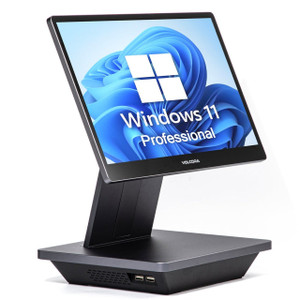
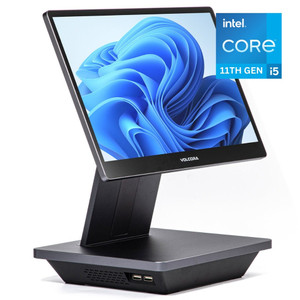
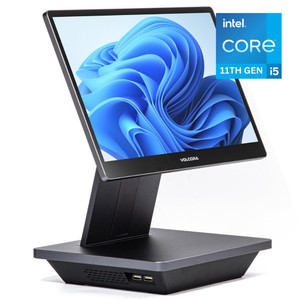
PioneerPOS Q11-CR4FPQ-P2 CT18 Ruggedized Mobile Computer
The PioneerPOS Q11-CR4FPQ-P2 is a ruggedized mobile computing platform designed for field-deployed surveillance workflows, asset tracking, and distributed security operations. Running Windows 11 LTSC (Long-Term Servicing Channel), the CT18 eliminates OS version churn — a critical advantage in enterprise surveillance environments where unplanned feature updates can interrupt VMS agents, local recording services, or real-time video analytics running on mobile endpoints. The 2.2GHz processor, integrated 4G modem, WiFi 802.11ac, and SSD storage create a self-contained field node capable of edge recording, remote monitoring, and bidirectional data sync with central surveillance infrastructure. The integrated battery extends operational independence in mobile asset tracking and perimeter patrol scenarios.
Key Features
- Windows 11 LTSC Operating System: Long-Term Servicing Channel locks in OS stability and security patches only — no forced feature updates that interrupt VMS agents or field recording services.
- Dual-Mode Connectivity (4G + WiFi): Integrated 4G modem provides cellular fallback for areas without WiFi; WiFi 802.11ac enables high-bandwidth sync when docked at hub locations. Carrier band compatibility requires pre-deployment verification with your regional provider.
- SSD Storage: Solid-state drive eliminates mechanical failure risk inherent in field-deployed hard drives, improving MTBF and reducing unplanned downtime in mobile surveillance rigs.
- 2.2GHz Multi-Core Processor: Sufficient for running VMS client software, local video codec transcoding, and edge analytics agents without requiring high-power x86 CPUs that drain battery life.
- Integrated Battery: Field-replaceable battery module supports extended patrol cycles and surveillance surveillance stakeouts without tethering to external power; confirm battery chemistry and runtime specs with vendor documentation before deployment.
- Ruggedized Chassis: Hardened enclosure tolerates transport vibration, temperature extremes, and incidental drops common in mobile asset tracking and perimeter monitoring workflows.
VMS Integration and Deployment Context
The CT18 functions as a Windows 11 endpoint for any ONVIF-compliant VMS platform (Milestone XProtect, Genetec Security Center, Axis Camera Station, Hikvision iVMS, etc.). Deploy on standard corporate directory infrastructure using Group Policy Objects (GPO) or mobile device management (MDM) solutions for centralized configuration, credential distribution, and patch deployment. Windows 11 LTSC receives only security updates, not feature releases — plan your patch cycle monthly or quarterly depending on your threat posture, and stage updates in a lab environment before fleet rollout to confirm agent compatibility.
Typical deployment scenarios include mobile command centers, remote access nodes for distributed campus surveillance, asset-tracking vehicles equipped with edge analytics, and field response units requiring real-time video playback and evidence export. The 4G modem enables out-of-network operations without requiring site-local WiFi infrastructure; however, cellular bandwidth (typically 5-20 Mbps in field conditions) is adequate for remote VMS client sessions and metadata sync, not for continuous high-bitrate video streaming. Pair the device with a docking station at hub locations to offload footage and recharge batteries between patrol cycles.
Security posture depends on your enterprise hardening baseline. Enable BIOS/UEFI password protection to prevent firmware tampering, deploy full-disk encryption (Windows 11 BitLocker) if handling sensitive evidence or credentials, and configure VPN or certificate-pinned API endpoints if the device will traverse untrusted networks. Verify 4G modem driver support for Windows 11 LTSC — some carriers restrict driver updates to Windows 11 Standard Edition, requiring you to source drivers from the OEM or regional carrier partner before field deployment.
Battery, Power, and Field Lifecycle Considerations
The integrated battery is field-replaceable, reducing mean time to repair (MTTR) in multi-unit deployments. Confirm battery capacity (mAh) and expected runtime under typical load (VMS client active, screen on, WiFi/4G both broadcasting) — vendor datasheets often specify 4-8 hour runtime at idle; active surveillance use cases typically see 2-4 hours before recharge is required. Plan charging infrastructure at hub locations; standard USB-C or proprietary dock charging is typical, but verify connector type with your procurement documentation. In cold-climate deployments, battery discharge accelerates at temperatures below 0°C — account for reduced runtime in winter patrol cycles and consider thermal wrapping if operating in sub-zero environments.
Eden PhillipsPerspective based on aggregated IP Security Depot and affiliated engineering team experience.
We've deployed ruggedized Windows mobile endpoints across campus surveillance networks, mobile asset tracking fleets, and remote access scenarios — and the CT18 occupies a practical middle ground between consumer tablets and enterprise-grade rugged handhelds. The Windows 11 LTSC choice is the real difference-maker here. In our experience, field-deployed Windows devices on standard Win 11 inevitably hit surprise feature updates mid-shift — credential manager prompts, UI redesigns, driver re-initialization loops — that interrupt VMS client sessions or crash local recording services. LTSC eliminates that friction entirely. You get patched security, but your surveillance workflow doesn't change month-to-month. The dual-mode connectivity (4G + WiFi) is genuinely useful for distributed operations: patrol units operating out of WiFi range can still sync video clips and metadata to the NVR via cellular, then dock at hub locations for bulk offload and charging. The SSD eliminates the mechanical weakness of field-deployed spinning drives, which we've seen fail prematurely due to transport vibration and thermal shock. The 2.2GHz processor is adequate for VMS client sessions and local codec transcoding; don't expect to run heavy analytics workloads on-device, but for evidence review, remote monitoring, and mobile hotspot functionality, it's fit-for-purpose.
Technical Highlights:
- Windows 11 LTSC vs. Standard Edition: LTSC receives only security patches, not feature updates — a 10-year servicing window with zero forced UI/UX changes. Critical for surveillance operations where endpoint stability trumps OS novelty. Standard Edition pushes major updates every six months, causing agent/service compatibility drift in the field.
- Integrated 4G Modem: Provides cellular fallback for areas without WiFi; real-world bandwidth ranges 5-20 Mbps depending on signal and congestion. Adequate for VMS client remote sessions and metadata sync, insufficient for continuous high-bitrate video ingest. Pre-deployment: confirm modem band compatibility with your regional carrier (LTE Band 4 / Band 7 / Band 20 typical in North America and EU).
- SSD vs. HDD Durability: Solid-state storage eliminates mechanical shock failure risk and reduces power draw by 40-60% versus 2.5" HDD on active read/write cycles. Trade-off: SSD capacity is typically fixed and non-upgradeable; verify storage capacity (256GB / 512GB typical) meets your edge recording or local evidence archive requirements before purchase.
- 2.2GHz Multi-Core Processor: Adequate for concurrent VMS client session + local analytics plugin without throttling; does not have spare headroom for video transcoding at high frame rates or running multiple analytics streams. Acceptable for field command / mobile monitoring; not suitable as a mobile edge recorder for real-time multi-camera ingest.
- Field-Replaceable Battery: Integrated battery reduces MTTR and capital cost per unit in multi-device deployments. Runtime under active load (client session + screen + 4G broadcasting) typically 2.5-4 hours; verify vendor datasheets for your specific patrol duty cycle before committing to deployment timeline.
Deployment Considerations:
- Verify 4G modem driver support for Windows 11 LTSC before purchase — some carriers have not released LTSC drivers, forcing you to source drivers from the OEM, PioneerPOS support, or regional partner. Test modem connectivity in a lab environment (using a carrier-supplied SIM) before wide deployment.
- Enable full-disk encryption (BitLocker) if the device will carry sensitive video evidence or credentials. LTSC supports BitLocker; overhead is typically 5-15% performance impact on SSD operations, acceptable for field mobile use but verify in your test environment.
- Thermal performance in direct sunlight: ruggedized chassis dissipates heat reasonably, but outdoor patrol use (especially in parked vehicles in summer) can trigger thermal throttling if the device is in direct sunlight for extended periods. Plan for passive cooling (shade, enclosure ventilation) if device will sit powered-on in vehicles without climate control.
- Battery lifecycle: lithium batteries degrade ~2-5% per 100 charge cycles. In a fleet of 10 units on daily patrol (250 cycles/year), budget for battery replacement annually. Field-replaceability means downtime per unit is minimal, but stockpile spare batteries for 24-hour operations.
- Network handoff (WiFi to 4G): transition is not seamless in all VMS clients — confirm your surveillance platform has clean cellular fallback logic before relying on the modem for mission-critical remote access. Some clients maintain persistent TCP connections that break on WiFi loss; others reconnect cleanly. Test in staging.
- BIOS/UEFI password protection and firmware updates: ruggedized field devices are high-value targets for physical tampering (removal of storage, firmware modification). Use BIOS passwords and verify that firmware updates from PioneerPOS do not require on-device interaction (i.e., can be pushed via MDM or USB key in automated fashion).
The PioneerPOS CT18 is the right pick for mobile surveillance commands, field evidence review, and distributed asset-tracking operations where network stability and OS predictability outweigh raw processing power. Pair it with a campus WiFi deployment and cellular backup carrier contract, plan battery rotation, and integrate via standard Group Policy or MDM. For more options in the PioneerPOS mobile computing lineup, visit the PioneerPOS catalog.