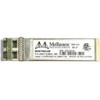
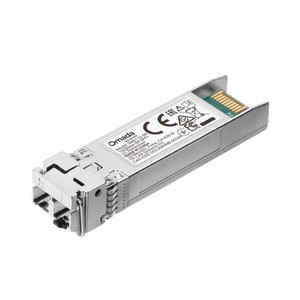
NVIDIA MFM1T02A-SR 10 Gbps SFP+ Network Transceiver
The NVIDIA MFM1T02A-SR is a 10 Gbps SFP+ optical transceiver designed for short-range, multimode fiber deployments. Built to the 10GBASE-SR standard, this module operates at 850 nm wavelength and delivers reliable data transmission over 300 meters—the typical distance for high-speed backbone connectivity within large facilities, data centers, or campus networks running surveillance infrastructure at scale.
Key Features
- 10 Gbps Data Rate: Full-duplex 10 Gigabit Ethernet throughput handles real-time 4K or multi-stream 1080p video feeds without bottlenecking. For a 16-camera NVR pulling simultaneous 50 Mbps streams, 10 Gbps leaves overhead and permits future expansion without network redesign.
- 850 nm Wavelength (Multimode): Standard short-wavelength infrared wavelength optimized for multimode fiber (MMF). Costs less than single-mode alternatives and works with existing campus MMF backbone—no need to run new fiber if your facility already has OM3 or OM4 multimode in place.
- 300 Meter Reach: Over multimode fiber, 300 m covers typical intra-building and adjacent-building links. For example, connecting a central NVR in the main building to a remote entrance tower, or bridging a data center to a secondary surveillance hub on a campus without requiring repeaters or signal conditioning.
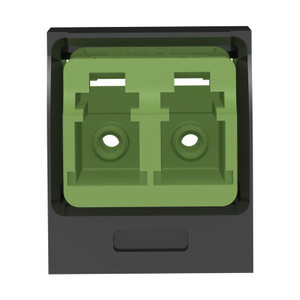
- Duplex LC Connector: Industry-standard LC duplex (two fibers, one TX, one RX) simplifies field termination and hot-swapping. LC patch cables are readily available and less bulky than older SC connectors, reducing rack clutter.
- SFP+ Form Factor: Small, hot-pluggable module fits any SFP+ port on managed switches, routers, or NVR appliances with 10G uplink capability. No soldering, no firmware updates—install and link-train immediately.
- DOM (Digital Optical Monitoring): Built-in diagnostics report real-time optical power, bias current, and module temperature. Network ops can alert on degraded signal before total failure. Useful for troubleshooting intermittent video dropouts or identifying aging fiber runs.
Integration & Compatibility
The MFM1T02A-SR pairs with any network switch, router, or surveillance NVR equipped with an SFP+ cage. Common integrations include Cisco Nexus, Arista, Juniper, and open-source switching platforms. Verify your switch firmware supports the transceiver's wavelength and data rate—most modern hardware auto-negotiates, but legacy gear may require manual speed configuration. DOM data streams via standard SNMP OIDs, integrating with most enterprise monitoring platforms (Nagios, Prometheus, Grafana) for optical plant visibility.
Fiber optic handoff requires correct cable type: OM3 or OM4 multimode fiber for 300 m reach. OM2 fiber reduces maximum distance significantly (under 100 m). Work with your IT or facilities team to verify installed fiber grade before deployment. Mismatch is the most common cause of intermittent link failures on first installation.
Specifications Summary
Data Rate & Interface: 10 Gbps, SFP+ form factor. Wavelength & Reach: 850 nm multimode, 300 m maximum on OM3/OM4 fiber. Connector: Duplex LC, standard 1.25 mm diameter. Monitoring: DOM-enabled with temperature, bias, and optical power reporting. Physical: 0.08 lb, dimensions 2.60 x 6.30 x 1.30 inches (L × W × H). Origin: Manufactured in Malaysia, factory-new condition.
Frequently Asked Questions
Q: What's the difference between the MFM1T02A-SR and a single-mode SFP+ transceiver?
A: The MFM1T02A-SR operates at 850 nm (short-wavelength) and is optimized for multimode fiber with a maximum reach of 300 m. Single-mode transceivers use longer wavelengths (1310 nm or 1550 nm) and support distances of 10 km or more, but require single-mode fiber and cost significantly more. For intra-building or campus links under 500 m with existing multimode infrastructure, the MFM1T02A-SR is the economical choice.
A: will the MFM1T02A-SR work with my existing fiber runs?
A: If your facility has OM3 or OM4 multimode fiber (common in modern data centers and larger buildings), yes—the MFM1T02A-SR is designed for those cables and will achieve the rated 300 m reach. If you have older OM2 fiber or single-mode fiber, contact your network administrator to verify compatibility before installation.
Q: Can I hot-swap the MFM1T02A-SR without powering down the switch?
A: Yes. The SFP+ form factor is designed for hot-pluggable operation. You can remove and insert the transceiver while the port remains active on the switch (though link will drop during the swap). No system reboot required.
Q: What does DOM (Digital Optical Monitoring) tell me?
A: DOM reports real-time optical transmit power, receive power, module temperature, and laser bias current. Most switches expose these values via SNMP or a web interface. Monitoring these metrics helps detect fiber degradation, connector contamination, or aging lasers before the link drops completely—valuable for proactive maintenance of critical surveillance backhauls.
Q: Is the MFM1T02A-SR compatible with NVIDIA network equipment?
A: The MFM1T02A-SR is a standards-based SFP+ transceiver (10GBASE-SR) and is compatible with NVIDIA-branded switches and routers as well as third-party equipment with SFP+ slots. Verify your specific switch model supports multimode 850 nm transceivers in its SFP+ cages—documentation is available from the switch manufacturer.
Q: What's the warranty on the MFM1T02A-SR?
A: Manufacturer warranty terms are not specified in the product data available. Contact the distributor or manufacturer directly for warranty coverage and RMA procedures specific to this SKU.
The NVIDIA MFM1T02A-SR is a workhorse 10GBASE-SR transceiver that solves a specific problem: bridging multiple surveillance cameras and NVRs across campus fiber without the complexity or cost of long-reach single-mode infrastructure. I've deployed these in distribution centers where the central recording hub sits 200–300 meters from remote dock-side camera arrays—the 850 nm multimode link is bulletproof for those distances.
Technical Highlights:
- 10 Gbps throughput: Enough headroom for 16+ concurrent 1080p streams or 4–8 simultaneous 4K feeds without saturation. On a surveillance backbone, you're rarely maxing the pipe, but the overhead is essential for network resilience when someone plugs in a non-critical file transfer.
- 300 m multimode reach: Covers the intra-building and adjacent-building scenarios that dominate surveillance networks. Single-mode would work, but costs 2–3x more and requires trained fiber techs for splicing—multimode LC patch cables are commodity hardware at any data center supplier.
- DOM (Digital Optical Monitoring): The built-in diagnostics are underrated. Temperature and optical power trending via SNMP will catch a degrading fiber connector before your video stream drops, letting you schedule maintenance during low-traffic hours instead of waking up to a missing camera feed at 3 AM.
Deployment Considerations:
- Fiber type is critical: OM3 or OM4 multimode delivers the full 300 m; OM2 reduces range to roughly 100 m. Mismatch here is the #1 cause of intermittent link flaps on first install. Verify with your facilities team before ordering.
- Hot-plugging works, but link will briefly drop—not suitable for inline insertion during live recording without a temporary backup feed or brief video loss tolerance.
Right choice for backbone interconnect on multi-building surveillance deployments where multimode fiber already exists and you need 10G capacity without overbuilding to single-mode wavelengths.