
Showing Results for Industrial IP Cameras
-
Save $101.01
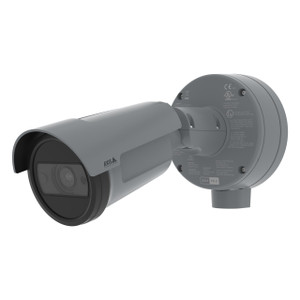
Axis P1468-XLE 8MP Bullet Camera - 02534-001
8MP explosion-protected bullet for hazardous Zone 2/Division 2 sites
- 8MP at 50/60 fps with Lightfinder 2.0 captures color detail down to 0.07 lux
- Forensic WDR balances extreme lighting contrasts in industrial environments
- 2.08x motorized zoom (6.2–12.9 mm) with remote focus; IP66 weatherproof
In stock · Ships same business day Free shipping over $499$3,339.00 $3,237.99 Save $101.01 -
Save $45.01
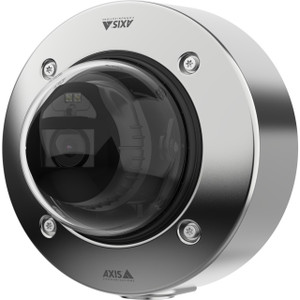
Axis P3268-SLVE 8MP Outdoor AI IR Dome Camera - 02710-001
8MP outdoor dome with 4.3x zoom, IR, and AI for harsh salt-spray sites
- 8MP resolution + motorized 4.3–8.6mm lens captures detail at distance; remote zoom eliminates repeat site visits
- Lightfinder 2.0 IR down to 0.14 lux + Forensic WDR for 24/7 visibility in low light and high contrast
- IP66/IK11 stainless steel body resists corrosion, moisture, dust, and vandalism; PoE Class 3 power
In stock · Ships same business day Free shipping over $499$1,469.00 $1,423.99 Save $45.01 -
Save $475.01

Axis P3807 8MP Panoramic Camera - 02822-001
8MP panoramic camera for hazardous zones, ATEX/IECEx certified
- 180° panoramic + 90° vertical coverage from dual 4MP sensors at 30 fps
- Lightfinder + Forensic WDR captures detail in low-light and high-contrast scenes
- Stainless steel IP66/IP67/IP68 housing rated for Zone 1/21 explosive atmospheres
In stock · Ships same business day Free shipping over $499$15,819.00 $15,343.99 Save $475.01 -
Save $239.01
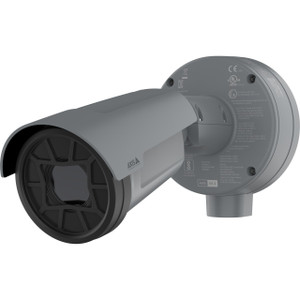
Axis Q1961-XTE Explosion-Protected Thermal Camera - 02535-001
ATEX Zone 2 thermal camera with 384×288 resolution and PoE power
- 40 mK thermal sensitivity detects temperature differences of 0.04°C
- Uncooled microbolometer sensor eliminates maintenance; runs 24/7 continuously
- IP66 rated with -30 to 60°C operating range for hazardous outdoor sites
In stock · Ships same business day Free shipping over $499$7,949.00 $7,709.99 Save $239.01 -
Save $210.01
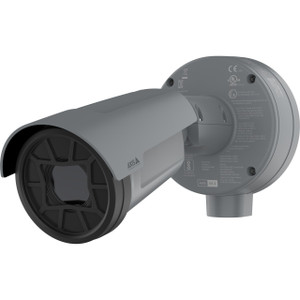
Axis Q1961-XTE Explosion-Protected Thermal Camera - 02963-101
Explosion-protected thermal camera for hazardous industrial monitoring
- Measures -40°C to 350°C with 384x288 thermal sensor and 40 mK sensitivity
- ATEX, IECEx, and UL Class I/II/III Division 2 certified for regulated zones
- 10 polygonal regions with threshold alerts and integrated fire detection
Usually Ships in 2-3 Weeks Free shipping over $499$6,999.00 $6,788.99 Save $210.01 -
Save $210.01

Axis Q1961-XTE Thermal Camera ATEX - 02535-101
Thermal camera for hazardous areas with fire detection and −40 to 350 °C range
- 384×288 uncooled microbolometer sensor at 30 fps with AI-powered fire detection
- ATEX/IECEx certified for Class/Division 2 and Zone 2 explosive atmospheres
- IP66 weatherproof, IK10 impact resistant, PoE+ powered with microSD storage
Usually Ships in 2-3 Weeks Free shipping over $499$6,999.00 $6,788.99 Save $210.01 -
Save $125.01
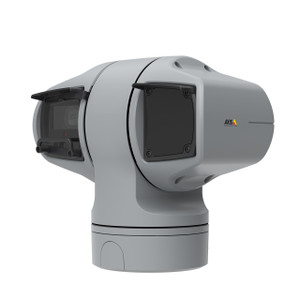
Axis Q6225-LE 2MP Long-Range IR PTZ Camera - 02317-004
31x zoom PTZ with OptimizedIR for long-range outdoor surveillance
- 2MP at 50/60 fps with 31x optical zoom and auto-adjusting IR
- Lightfinder 2.0 sees color at 0.06 lux; IR extends into darkness
- 360° pan, ±90° tilt with Autotracking; IP66/IK10 rated -50 to +55°C
Usually Ships in 2-3 Weeks Free shipping over $499$4,139.00 $4,013.99 Save $125.01 -
Save $334.01
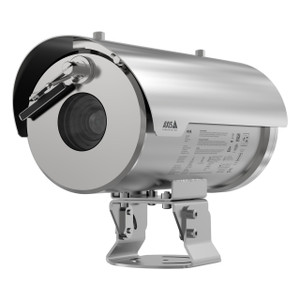
Axis XFQ1656 4MP Explosion-Protected IP Camera - 02462-001
4MP explosion-proof camera for Class I/II/III hazardous areas
- 4MP at 60 fps with Lightfinder 2.0 for true color at 0.05 lux
- Motorized 3.9–10mm zoom lens with remote focus and PoE Class 6
- IP66 stainless steel enclosure rated for salt spray and washdown
In stock · Ships same business day Free shipping over $499$11,129.00 $10,794.99 Save $334.01 -
Save $300.01
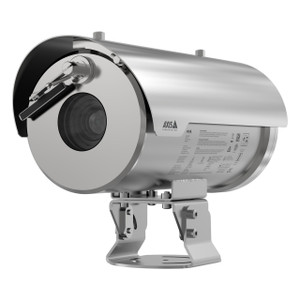
Axis XFQ1656 Explosion-Protected Image Sensor - 02462-101
1/1.8" explosion-protected sensor for hazardous area surveillance
- H.265 compression with Lightfinder low-light and Day/Night capability
- IP66/IK08 rated, wall/pole/corner mount for indoor and outdoor hazard zones
- ONVIF-compliant with deep learning analytics and PoE++ powered integration
Usually Ships in 2-3 Weeks Free shipping over $499$9,999.00 $9,698.99 Save $300.01 -
Save $598.01
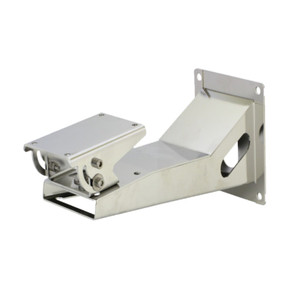
Hanwha HT-E-BFW320SW Explosion Proof Camera Wall Mount
Stainless steel wall mount for Class I & II explosion-proof cameras
- Fits TNO-6070EP, TNO-6320EP, TNO-6070E1W, TNO-6320E1W models
- Stainless steel construction resists corrosion in hazardous locations
- Adjustable angle and height positioning for optimal field of view
Usually Ships in 2-3 Weeks Free shipping over $499$1,710.00 $1,111.99 Save $598.01 -
Save $661.01
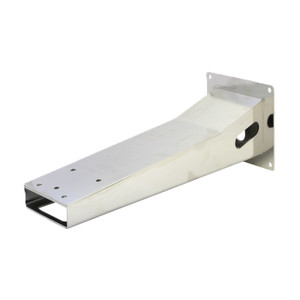
Hanwha HT-E-BFW50SW Explosion-Proof Camera Wall Mount
Stainless steel wall mount for explosion-proof cameras in hazardous zones
- Class I, II, III explosion-proof rated for petrochemical, refinery, and pharmaceutical facilities
- Corrosion-resistant stainless steel construction withstands harsh chemical environments
- Compatible with TNO-6070EF2, TNO-6320EF2, TNO-6070EWF2, TNO-6320EWF2 models
Usually Ships in 2-3 Weeks Free shipping over $499$1,890.00 $1,228.99 Save $661.01 -
Save $2,704.01
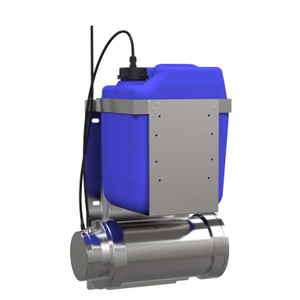
Hanwha HT-E-XWP10UL Washer Tank for Explosion Proof Camera
Stainless steel washer tank for explosion-proof wiper cameras
- Stainless steel construction resists corrosion in hazardous environments
- Compatible with TNP-6320E/TNO-6070E/TNO-6320E explosion-proof models
- Maintains lens clarity in dust and moisture-prone industrial settings
Usually Ships in 2-3 Weeks Free shipping over $499$7,725.00 $5,020.99 Save $2,704.01 -
Save $416.01

Hanwha HT-SD-FP Protect Kit for Explosion Proof Camera
316L stainless steel retention kit for explosion-proof cameras in hazardous locations
- API DROP compliant secondary retention with 6-foot integrated cable
- 316L stainless steel construction resists corrosion in indoor and outdoor use
- Compatible with TNP-X6322EPT3-Z and TNP-Q6232EPT3-Z explosion-proof models
Usually Ships in 2-3 Weeks Free shipping over $499$1,660.00 $1,243.99 Save $416.01 -
Save $346.01

Hanwha HT-SF-FP Protect Kit for Explosion Proof Camera
API DROP compliant retention kit for explosion-proof TNO cameras
- 316L stainless steel with nylon coating resists corrosion in hazardous areas
- Secondary lanyard system with 6-foot cable stabilizes camera under vibration
- Wedge locking washers meet certified drop protection standards for safe mounting
Usually Ships in 2-3 Weeks Free shipping over $499$990.00 $643.99 Save $346.01 -
Save $6,319.01

Hanwha TNM-P9022EPT3-Z 8MP Explosion Proof PTZ Camera
360° panoramic PTZ for ATEX Class I/II hazardous zones
- 8MP quad-sensor panoramic design captures full 360° coverage
- ATEX/IECEx explosion-proof rated for refineries and chemical plants
- IP66 weatherproof with PoE power for outdoor hazardous deployments
Usually Ships in 2-3 Weeks Free shipping over $499$17,180.00 $10,860.99 Save $6,319.01 -
Save $2,511.01

Hanwha TNO-X6072EPT1-Z 2MP Explosion-Proof Bullet Camera
ATEX explosion-proof 2MP bullet for hazardous industrial sites
- 2MP 2.8–9mm varifocal lens, 98° wide to 39° telephoto coverage
- IP66 rated, –40°C to +60°C with optional 25W heater for extreme climates
- Motion, loitering, line-crossing, tampering, and fog detection analytics
Usually Ships in 2-3 Weeks Free shipping over $499$8,750.00 $6,238.99 Save $2,511.01 -
Save $3,353.01
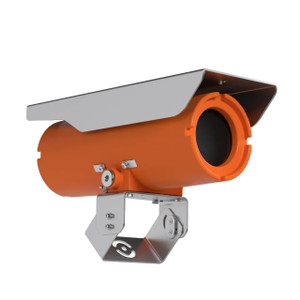
Hanwha TNO-X6073EPT1-Z 2MP Explosion-Proof Camera
2MP explosion-proof camera rated FM/ATEX/IECEX for hazardous zones
- 1920×1080 60fps with 2.8-9mm varifocal lens and 150dB WDR
- FM Class I II III Div 1 + ATEX/IECEX Zone 1/21 certified
- PoE+ powered, IP66 rated, operates -50°C to +55°C outdoors
Usually Ships in 2-3 Weeks Free shipping over $499$9,580.00 $6,226.99 Save $3,353.01 -
Save $4,197.01

Hanwha TNO-X6320E1WT1-C 2MP Explosion Proof Bullet Camera
Explosion-proof 2MP bullet for Class I Division 1 hazardous zones
- 32x optical zoom varifocal lens captures detail across 62.8° to 2.23° fields
- 0.05 Lux color and 0.005 Lux B&W night vision for round-the-clock coverage
- 316L stainless steel with IP66 rating handles -40°C to +60°C extremes
Usually Ships in 2-3 Weeks Free shipping over $499$11,990.00 $7,792.99 Save $4,197.01 -
Save $4,197.01

Hanwha TNO-X6320E1WT1-Z 2MP Explosion-Proof Bullet Camera
2MP explosion-proof bullet with 32x zoom for hazardous industrial sites
- 32x optical + 16x digital zoom with motorized focus for wide to telephoto coverage
- INMETRO Ex d IIC T4, cLCus C1/D1, CSA certified for explosive atmospheres
- 0.05 Lux color / 0.005 Lux B/W + IR night vision in IP66 stainless steel housing
Usually Ships in 2-3 Weeks Free shipping over $499$11,990.00 $7,792.99 Save $4,197.01 -
Save $3,087.01

Hanwha TNO-X6320EPT0-Z Explosion-Proof Thermal Camera
Explosion-proof thermal bullet camera for hazardous industrial sites
- 2MP thermal, 60fps with 32x optical zoom for detection through smoke/darkness
- Ex d IIC T4 certified; stainless steel 316L IP66 housing rated –60°C to +60°C
- PoE powered (12W max) with H.265/H.264 codec and intelligent motion analytics
Usually Ships in 2-3 Weeks Free shipping over $499$8,820.00 $5,732.99 Save $3,087.01 -
Save $3,205.01

Hanwha TNO-X6322EPT1-Z 2MP Explosion Proof Bullet Camera
Hazardous-area 2MP bullet with 32x zoom for explosive environments
- 32x optical varifocal zoom (4.44–142.6mm) covers wide to telephoto in one lens
- Sees in near-darkness at 0.05 Lux color and 0.005 Lux B&W with 150dB WDR
- PoE powered with motion, intrusion, loitering, and face detection analytics built-in
Usually Ships in 2-3 Weeks Free shipping over $499$9,100.00 $5,894.99 Save $3,205.01 -
Save $3,036.01
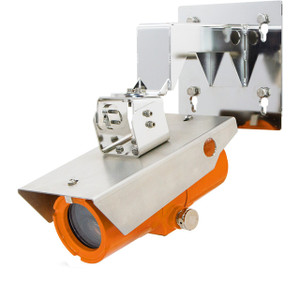
Hanwha TNO-X8072EPT1-Z 5MP Explosion Proof Bullet Camera
5MP explosion-proof bullet for hazardous industrial environments
- 0.07 Lux color / 0.007 Lux B/W with motorized 4.1-9mm lens & IR
- IP66 rated, 120dB WDR, day/night ICR for -40°C to +60°C outdoor use
- H.265/H.264 at 30fps with motion detection & 8-point polygonal zones
Usually Ships in 2-3 Weeks Free shipping over $499$8,620.00 $5,583.99 Save $3,036.01 -
Save $7,598.01

Hanwha TNP-X6322EPT3-Z 2MP Explosion Proof PTZ Camera
Explosion-proof 2MP PTZ dome for hazardous outdoor industrial sites
- 32x optical zoom with 360° pan and 210° tilt for wide-area coverage
- IP66-rated weatherproof with 150dB WDR and 0.005 Lux night vision
- Auto-tracking, motion detection, and 300 preset positions for smart monitoring
Usually Ships in 2-3 Weeks Free shipping over $499$26,480.00 $18,881.99 Save $7,598.01 -
Save $1,066.44

Pelco EXC2602-62-A0 6MP Explosion-Proof Camera 10m Cable
6MP explosion-proof camera with 10m cable for Zone 1/21 hazardous areas
- 6MP at 3200×1800 with 4.9–8mm motorized varifocal lens and H.265 codec
- ATEX/IECEx/UL certified 316L stainless steel housing rated IP69/IP68
- PoE Class 3 powered via 10m factory-terminated cable; -40°C to +60°C rated
Usually Ships in 2-3 Weeks Free shipping over $499$4,147.43 $3,080.99 Save $1,066.44 -
Save $984.51

Pelco EXC2602-62-A4 6MP Explosion-Proof Camera 4m Cable
6MP explosion-proof camera with 4m cable for ATEX Zone 1/21 hazardous areas
- 6MP resolution at 30 fps with 4.9–8mm motorized varifocal lens and IR night vision
- 316L stainless steel housing rated IP69/IP68; operates -40°C to +60°C in extreme conditions
- PoE Class 3 power via factory-terminated cable; H.265 compression and ONVIF compliance
In stock · Ships same business day Free shipping over $499$3,830.50 $2,845.99 Save $984.51 -
Save $2,178.88

Pelco EXF2230-52-A0 2MP Explosion-Proof Camera
ATEX Zone 1/21 2MP camera rated -40°C to +60°C for hazardous areas
- 2MP 1920×1080 @ 30 fps with motorized 4.4–9.3mm varifocal lens
- IP66/67/68 rated stainless steel; IK10 impact resistant; 110 dB WDR
- 0.1 lux color / 0.01 lux mono low-light; H.265 & H.264 compression
Usually Ships in 2-3 Weeks Free shipping over $499$8,474.87 $6,295.99 Save $2,178.88 -
Save $2,022.05
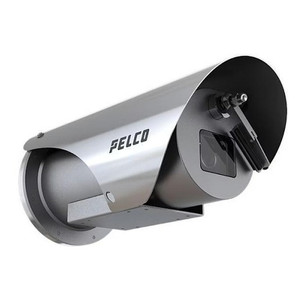
Pelco EXF2230-52-A4 2MP Explosion-Proof Camera
2MP explosion-proof camera for ATEX Zone 1/21 hazardous areas
- 2MP 1920×1080 @ 30 fps with 110 dB WDR and 0.1 lux color night vision
- Motorized 4.4–9.3 mm varifocal lens with 32–109° field of view
- ATEX/IECEx/UL Division 1 certified, 316L stainless steel, IP66/67/68 rated
Usually Ships in 2-3 Weeks Free shipping over $499$7,864.04 $5,841.99 Save $2,022.05 -
Save $2,079.10
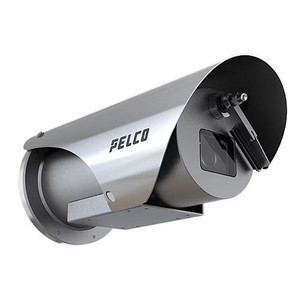
Pelco EXF2230-52-C0 2MP Explosion-Proof Camera T5
2MP explosion-proof camera rated ATEX Zone 1/21 T5 for hazardous areas
- 2MP 1920×1080 @ 30fps with 4.4-9.3mm motorized varifocal lens
- 316L stainless steel, IP66/67/68, IK10 impact rated for extreme conditions
- 0.1 lux color / 0.01 lux mono with 110dB WDR, PoE Class 3 powered
Usually Ships in 2-3 Weeks Free shipping over $499$8,084.09 $6,004.99 Save $2,079.10 -
Save $1,936.62

Pelco EXF2230-52-C4 2MP Explosion-Proof Camera T5
2MP explosion-proof camera, ATEX Zone 1/21, T5 rated for hazardous areas
- 2MP @ 30 fps with 110 dB WDR and 0.1 lux color for low-light refineries
- 316L stainless steel, IP66/IP67/IP68, IK10 impact rated for harsh environments
- PoE Class 3 or 120V AC power; H.265/H.264 compression; ONVIF compliant
Usually Ships in 2-3 Weeks Free shipping over $499$7,532.61 $5,595.99 Save $1,936.62 -
Save $2,178.88

Pelco EXF2230-62-A0 2MP Explosion-Proof Camera
ATEX Zone 1/21 2MP camera for hazardous gas environments, -40°C to +60°C
- 4.4–9.3 mm motorized varifocal lens with 32–109° HFOV for flexible framing
- 110 dB WDR and 0.01 lux mono sensitivity for low-light hazardous locations
- 316L stainless steel, IP66/IP67/IP68, IK10 impact rated; H.265/H.264 compression
Usually Ships in 2-3 Weeks Free shipping over $499$8,474.87 $6,295.99 Save $2,178.88 -
Save $2,115.05
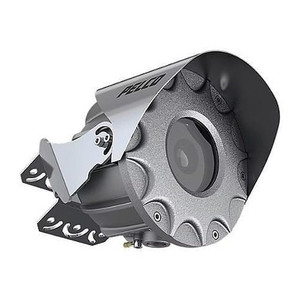
Pelco EXF2230-62-A4 2MP Explosion-Proof Camera T6
ATEX Zone 1/21 explosion-proof 2MP camera, T6 certified for hazardous gas/vapor areas
- 2MP 1920×1080 @ 30 fps with motorized 4.4–9.3mm varifocal lens, 32–109° field of view
- 0.1 lux color / 0.01 lux mono with 110 dB WDR for extreme low-light hazardous environments
- 316L stainless steel, IP66/IP67/IP68 sealed, IK10 impact rated, -40°C to +60°C operating range
Usually Ships in 2-3 Weeks Free shipping over $499$7,864.04 $5,748.99 Save $2,115.05 -
Save $2,079.10

Pelco EXF2230-62-C0 2MP Explosion-Proof Camera T6
2MP explosion-proof camera for ATEX Zone 1/21 hazardous areas
- 2MP 1920×1080 @ 30 fps with 110 dB WDR and 0.1 lux color minimum
- Motorized 4.4–9.3 mm varifocal lens (32–109° HFOV) for flexible framing
- T6 rated -40°C to +60°C; IP66/IP67/IP68 sealed; PoE Class 3 or 120V power
Usually Ships in 2-3 Weeks Free shipping over $499$8,084.09 $6,004.99 Save $2,079.10 -
Save $1,936.62
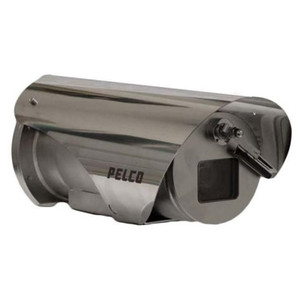
Pelco EXF2230-62-C4 2MP Explosion-Proof Camera T6
2MP explosion-proof camera T6 rated for hazardous Zone 1/21 areas
- Motorized 4.4–9.3mm varifocal lens; 32–109° HFOV without manual adjustment
- 0.1 lux color, 0.01 lux mono, and 110dB WDR for extreme low-light scenes
- 316L stainless steel, IP68, IK10, ATEX/IECEx certified; PoE Class 3 powered
Usually Ships in 2-3 Weeks Free shipping over $499$7,532.61 $5,595.99 Save $1,936.62 -
Save $2,178.88

Pelco EXF22302A-A0 2MP Explosion-Proof Camera
2MP explosion-proof camera for hazardous zones; ATEX/IECEx certified
- 2MP at 1920×1080, 30 fps with motorized 4.4–9.3mm varifocal lens
- IP66/67/68 rated 316L stainless steel; -40°C to +60°C operating range
- 110 dB WDR; 0.1 lux color / 0.01 lux mono for low-light detection
Usually Ships in 2-3 Weeks Free shipping over $499$8,474.87 $6,295.99 Save $2,178.88 -
Save $3,688.01

Pelco EXLP1-2X30-EPT-85B0M3 2MP Explosion-Proof Camera
2MP explosion-proof camera for Zone 1/Division 1 hazardous areas
- 30x optical zoom with 850 nm IR for round-the-clock monitoring
- 316L stainless steel, IP66/IP67/IP68/IP69 rated for extreme corrosion
- 360° pan, -90° to +1° tilt, PoE Class 3 powered, H.265/H.264
Usually Ships in 2-3 Weeks Free shipping over $499$14,340.00 $10,651.99 Save $3,688.01