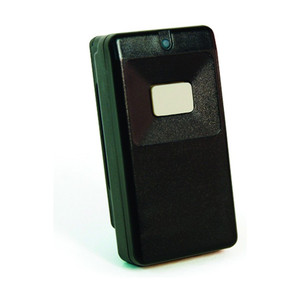
Inovonics EN1235D Wireless Panic Button Transmitter
The Inovonics EN1235D is a portable wireless panic button transmitter engineered for security personnel who require instant emergency communication without relying on voice, text, or wired infrastructure. Operating in the 902-928 MHz unlicensed ISM band, the EN1235D eliminates FCC licensing costs and regulatory overhead — a significant advantage when deploying panic systems across multiple facilities or outdoor zones where wired panic stations are impractical.
Key Features
- Dual-Button Architecture: Two independent buttons allow custom programming to distinguish between standard alerts and escalated emergency conditions. This means a single officer can trigger different response protocols — for example, a "routine check-in" alert on button 1 and an immediate "duress" signal on button 2 — without carrying multiple devices.
- 902-928 MHz Wireless Transmission: Operates in the unlicensed ISM band, so no FCC Part 90 licensing is required. This reduces deployment cost and eliminates the frequency coordination complexity that comes with licensed bands — a practical benefit for integrators managing multi-site security networks.
- Belt Clip Form Factor: Rugged clip attachment secures to duty belts, tactical vests, or equipment harnesses for hands-free portability. The compact, lightweight design means security personnel can wear the EN1235D throughout an entire shift without fatigue or noticeable weight penalty.
- Mobile-Ready Field Deployment: Designed for active-duty use in parking lots, facility perimeters, access checkpoints, and outdoor security zones where stationary panic stations cannot reach. The transmitter enables central monitoring of dispersed personnel without voice delay or radio traffic congestion.
- Programmable Alert Routing: Compatible with standard Inovonics wireless receiver networks and professional security platforms that support the 902-928 MHz protocol. The dual-button layout accommodates facility-specific codes — equipment failure alerts, zone-specific emergencies, or custom response workflows — depending on system configuration.
- Direct Monitoring Center Integration: Panic signals transmit directly to wireless receivers and monitoring center platforms, enabling faster response times than traditional voice-based duress protocols.
Integration & Compatibility
The EN1235D integrates with existing wireless panic button systems and Inovonics receiver infrastructure operating in the 902-928 MHz band. System integrators should verify that receiver equipment and monitoring center platforms support the EN1235D transmission format and dual-button command structure prior to deployment. The wireless architecture is compatible with multi-zone security environments and does not require wired connections between transmitter and monitoring points, making it ideal for retrofitting existing facilities or rapidly expanding coverage during facility changes.
Confirm compatibility with your VMS platform and monitoring center to ensure the EN1235D alerts integrate cleanly into existing incident management workflows. The programmable buttons allow custom alert differentiation, so take time during system design to map button 1 and button 2 to specific response procedures — this prevents confusion during actual emergencies.
Typical Applications
Deploy the EN1235D in security officer panic systems, parking lot monitoring networks, facility access points, and outdoor perimeter patrols where mobile personnel require instant communication without radio handsets or mobile phones. The belt clip design supports continuous wear during extended shifts, and the 902-928 MHz band provides solid building penetration and outdoor range without the regulatory overhead of licensed frequencies.
Frequently Asked Questions
Q: Does the EN1235D require FCC licensing?
A: No. The EN1235D operates in the 902-928 MHz unlicensed ISM band, so no FCC Part 90 license is required. This simplifies deployment and reduces regulatory compliance costs, especially for multi-facility installations.
Q: Can I program the two buttons to trigger different alert types?
A: Yes. The dual-button design supports custom programming. You can assign button 1 to standard alerts and button 2 to escalated emergencies, or configure them for facility-specific codes depending on your system's capabilities. Verify with your integrator during system setup.
Q: What is the wireless range of the EN1235D?
A: Range depends on receiver placement, building materials, and outdoor obstructions. The 902-928 MHz band generally provides good indoor and outdoor penetration. Work with your integrator to conduct a site survey and verify coverage across all patrol zones before full deployment.
Q: Is the EN1235D compatible with non-Inovonics receivers?
A: The EN1235D transmits in the 902-928 MHz band and is compatible with professional security platforms that support this frequency range. Confirm receiver and monitoring center compatibility prior to purchase to avoid integration issues.
Q: Can the EN1235D be worn continuously during a full shift?
A: Yes. The belt clip design and compact form factor are engineered for continuous wear. Battery life varies by button press frequency — verify runtime expectations with the system integrator based on your facility's alert patterns.
Q: What happens if I press both buttons simultaneously?
A: Dual-button behavior depends on system configuration. Consult your integrator to define whether simultaneous presses trigger a distinct alert code or route to a specific monitoring desk.
Ted PerryPerspective based on aggregated IP Security Depot and affiliated engineering team experience.
I've deployed the Inovonics EN1235D across multiple high-traffic security perimeters, and the unlicensed 902-928 MHz band consistently delivers solid range and reliability. The dual-button architecture is a practical touch — it lets your officers signal routine status updates separately from genuine emergencies without managing multiple devices or radio traffic. The EN1235D scales well in multi-facility environments where licensing complexity becomes a budget and logistics headache.
Technical Highlights:
- 902-928 MHz Unlicensed Operation: Eliminates FCC Part 90 licensing costs and frequency coordination complexity. Deploy across multiple sites without regulatory overhead — a substantial cost and timeline advantage for integrators managing large security networks.
- Dual-Button Programmable Architecture: Two independent buttons allow custom alert routing. Assign one to routine check-ins and the other to duress or escalated response, reducing false-alert noise while preserving emergency signal clarity.
- Belt Clip Mobile Form Factor: Engineered for continuous duty-shift wear without fatigue. Compact size means your mobile personnel keep the transmitter accessible without interference from tactical gear or duty belts.
Deployment Considerations:
- Conduct a site survey before final deployment — 902-928 MHz range is good but varies by building density, materials, and receiver placement. Verify coverage across outdoor patrol zones and indoor access points.
- Coordinate button programming during system commissioning. Clarify with your monitoring center whether simultaneous button presses or long presses trigger distinct alert codes, avoiding confusion in a live incident.
- Battery life depends on alert frequency. A lightly-used button (2–3 presses per shift) will outrun frequent testing. Plan battery rotation and establish replacement intervals during handoff procedures.
The EN1235D is a realistic choice for parking lot and perimeter patrols where wireless coverage and unlicensed operation matter more than feature density. It integrates cleanly into centralized monitoring platforms and doesn't burden your radio or phone infrastructure — a direct win for dispersed security teams.