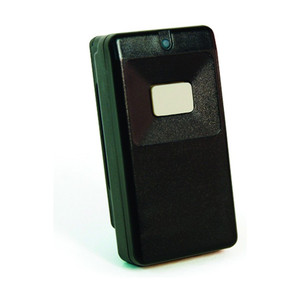
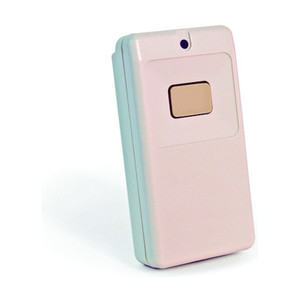
Inovonics EN1236D Dual-Button Wireless Panic Pendant
The Inovonics EN1236D is a wearable wireless panic button pendant designed for emergency communication integration within Inovonics EchoStream security systems. Operating on the unlicensed 902-928 MHz frequency band, the EN1236D transmits to compatible base stations and control panels without requiring hardwired installation, door readers, or strike logic. This makes it a straightforward option for facilities where panic alert infrastructure must operate independently from physical access control.
Key Features
- Dual-Button Design with Three Transmission Conditions: Left button, right button, or simultaneous dual-button press each trigger separate alert signals. This three-condition logic allows you to program differentiated response protocols—for example, left button for routine assistance requests, right button for check-in status, and both buttons held simultaneously for critical emergencies routed to a high-priority alert queue. No need to train staff on complex procedures.
- 902-928 MHz EchoStream Frequency: Unlicensed wireless operation eliminates FCC licensing requirements and site surveys. The frequency band is designed for robust, license-free transmission across residential and commercial deployments. Coverage depends on building layout and RF interference, but the pendant integrates seamlessly with existing EchoStream infrastructure without requiring separate RF site validation.
- Wearable Pendant Form Factor with Belt Clip: Ships with standard belt clip attachment, enabling secure carry on a belt loop, lanyard, or pocket clip. The lightweight pendant design is purpose-built for caregivers, security personnel, or facility occupants who need hands-free emergency communication without fumbling for a device.
- LED Status Indicator: Flashes with every transmission, providing immediate visual confirmation to the wearer that the alert signal has been sent. This feedback is critical in panic situations where user confidence that help is being summoned is essential.
- Compatible with EN4000, EN4200, and EN6040 Control Panels: The EN1236D pairs directly with Inovonics EchoStream control systems. Button programming and alert routing are configured within the control panel's event management interface. If you're running a multi-location deployment with existing EchoStream panels, the EN1236D adds panic alert capability without requiring new control hardware.
- No Door or Access Control Dependency: Unlike some panic integrations that piggyback on access control readers or door strike assemblies, the EN1236D operates independently. This means facilities can deploy panic buttons in areas where access control is minimal or absent—hallways, common areas, break rooms, security operations centers—without architectural constraints.
- BAT608 Battery-Powered Chassis: The EN1236D uses a standardized battery platform designed for consistent RF performance and durable field operation. Battery life and replacement intervals depend on transmission frequency and system design; consult the control panel documentation for specifics.
Integration & Compatibility
The EN1236D pairs with wireless panic button deployments using standard 902-928 MHz wireless protocols. During system commissioning, integrators assign each pendant to a zone or alert group within the control panel. The three-condition button logic enables operational flexibility: a healthcare facility might route left-button presses (routine assistance) to a nurse call queue, right-button presses (status check) to a roaming security desk, and simultaneous dual-button activation (emergency) to an emergency operations center with alarm bell or siren activation. Because the EN1236D operates wirelessly without credential reader interfaces, it complements access control systems in mixed deployments where panic alert and emergency notification must remain independent of physical access logic.
The pendant's wearable design makes it particularly suitable for healthcare facilities, assisted living environments, security operations centers, and industrial settings where on-demand emergency communication is a critical requirement. Facility staff carry the pendant during their shift, eliminating the dependency on fixed panic buttons mounted at specific locations.
Deployment Context
Consider the EN1236D when you need multiple panic alert options within a single wearable device and your facility is already committed to EchoStream infrastructure. The dual-button design with three programmable conditions is a significant operational advantage over single-button pendants, enabling you to differentiate alert severity and route different alert types to different response teams without requiring occupants to remember complex activation sequences or carry multiple devices.
When to Choose a Different Model
If your facility requires a panic button that integrates with a different control system platform (non-EchoStream), or if you need a single-button pendant for simplified training, explore other options in the Inovonics wireless product family. If panic alert must be hardwired to eliminate RF dependency, consider fixed wall-mounted or console-mounted panic buttons instead of wireless pendants.
Frequently Asked Questions
Q: What is the transmission range of the EN1236D?
A: Transmission range depends on building materials, RF interference, and base station antenna placement. The 902-928 MHz frequency band supports long-range communication in open environments; concrete, metal studs, and HVAC systems attenuate the signal. During integration, verify RF coverage in your specific deployment locations. Base stations should be positioned centrally and at elevated points to maximize penetration.
Q: Can I program the EN1236D to send different alert types based on which button is pressed?
A: Yes. The three-condition transmission logic (left, right, both) allows you to assign each condition to a different zone, alert type, or priority level within the control panel. Programming is performed in the EN4000, EN4200, or EN6040 event management interface during system setup.
Q: Does the EN1236D work with non-EchoStream control systems?
A: No. The EN1236D is designed exclusively for Inovonics EchoStream control panels (EN4000, EN4200, EN6040). If your facility uses a different control platform, you will need a panic button designed for that system.
Q: What battery type does the EN1236D use, and how long does it last?
A: The EN1236D uses the BAT608 battery platform. Consult the product datasheet and your EchoStream control panel documentation for specific battery type, capacity, and expected lifespan based on transmission frequency and usage patterns.
Q: Can the belt clip be removed or replaced with a different attachment?
A: The EN1236D ships with standard belt clip hardware. Field replacement clips and alternative attachment options (lanyard loops, keychain adapters) are subject to availability. Verify with your integrator or Inovonics technical support for approved accessory compatibility.
Q: Is the EN1236D suitable for outdoor deployment?
A: The EN1236D is a wearable pendant designed primarily for indoor deployment by facility staff. If outdoor or extreme environmental durability is required, consult with your integrator about IP-rated panic call stations or ruggedized wireless options designed for those conditions.
Ted PerryPerspective based on aggregated IP Security Depot and affiliated engineering team experience.
I've evaluated the Inovonics EN1236D in healthcare and senior living deployments where reliable, user-friendly panic alert infrastructure is essential. The EN1236D's dual-button configuration with three distinct transmission conditions—left, right, or simultaneous—provides meaningful operational flexibility that single-button pendants cannot match. In practice, this means you can differentiate routine assistance requests from genuine emergencies without requiring occupants to memorize complex procedures or remember which device to carry for which scenario.
Technical Highlights:
- Three Programmable Transmission Conditions: Left, right, and simultaneous dual-button presses each trigger separate alert signals routable to different zones or priority queues. This eliminates the need for multiple pendants or training occupants on button-hold timing versus single press logic.
- 902-928 MHz Unlicensed Operation: No FCC licensing required, no site survey overhead, and the frequency band is designed for institutional environments. RF coverage is dependent on your specific building materials and base station placement, so verify coverage during commissioning in high-risk areas (bathrooms, isolated wings, basement spaces).
- Wearable Form Factor with LED Feedback: The pendant is light enough for all-day carry, and the LED flash on transmission gives occupants immediate visual confirmation that their alert has been sent. This confidence is critical in panic situations where uncertainty can delay appropriate action.
Deployment Considerations:
- The EN1236D requires an Inovonics EchoStream control panel (EN4000, EN4200, or EN6040) to function. If your facility is standardized on a different control platform, this pendant will not integrate without a system upgrade.
- RF coverage in multi-story or RF-dense facilities (hospitals with dense equipment racks, industrial plants with metal structures) can be unpredictable. Test RF propagation during the site survey phase, particularly in areas where staff are most likely to need panic buttons (restrooms, isolated hallways, break rooms).
- Battery replacement intervals depend on transmission frequency and usage. In high-activity facilities where pendants are triggered multiple times per shift, battery life may be shorter than in low-activity deployments. Establish a battery replacement protocol and train staff on low-battery indicators.
The EN1236D is the right choice for organizations running EchoStream infrastructure that need to segment emergency alerts by severity or type without deploying multiple devices per user. Healthcare facilities and assisted living communities particularly benefit from the three-condition logic, which allows nursing staff to communicate routine requests (pull call) separately from genuine emergencies (fall, acute distress)—enabling more proportionate response and reducing false-alarm fatigue on dispatch teams.