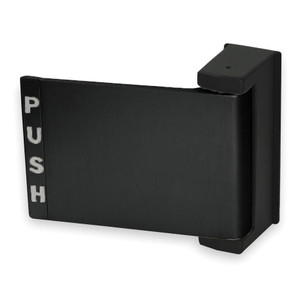
HES 4590-01-00-313 Deadlatch Paddle Dark Bronze
The HES 4590-01-00-313 is a deadlatch paddle component designed for replacement and upgrade applications across HES 4300, 4500, and 4900 series electric locking devices. Finished in corrosion-resistant dark bronze and manufactured in the US, this paddle delivers reliable mechanical latch engagement in institutional, commercial, and industrial access-control deployments where durability and weather resistance are non-negotiable. Integrators specify this paddle when existing hardware shows cosmetic wear, corrosion, or mechanical fatigue—or when standardizing aesthetics across multi-building security infrastructure.
Key Features
- Dark Bronze Corrosion-Resistant Finish: Rated for both indoor and outdoor use without refinishing. Eliminates oxidation and finish degradation typical of bare brass or steel paddles in humid or salt-air environments.
- Paddle Form Factor: Intuitive push-down operation—ergonomically suited for high-traffic entry points and ADA-compliant access scenarios where lever latches are specified.
- Direct HES 4300/4500/4900 Compatibility: Drop-in replacement with no drilling, modification, or re-wiring required. Mechanical interface is factory-matched to OEM specifications.
- 1.25 lb Weight: Light enough for manual retrofit installations but substantial enough to transmit latch force reliably across thousands of cycles without flexing.
- US Manufactured: Domestic production ensures supply chain consistency and avoids lead-time variability common with offshore hardware.
- Deadlatch Engagement Mechanism: Maintains continuous latch-bolt hold even if the electrically controlled solenoid or strike is momentarily de-energized, preventing tailgating and ensuring fail-secure operation when integrated with programmed access-control logic.
Integrators treating this as a hardware-refresh component should confirm existing door frame clearance and strike alignment before ordering bulk quantities. The paddle itself is standardized across the three HES series, but the underlying strike and latch-bolt assembly (which remain in the door) must match the installed equipment generation.
In multi-site deployments—hospitals, universities, office parks—standardizing on a single paddle finish eliminates the visual inconsistency of mixed hardware. Dark bronze pairs cleanly with both stainless-steel frames and powder-coated aluminum doors common in modern institutional construction. Replacement is straightforward enough that facilities staff can perform the swap during routine maintenance windows without requiring a licensed locksmith, reducing labor cost per door.
This paddle is a wear item in high-traffic environments; facilities with 200+ daily transits per door may see cosmetic wear within 3–5 years. Stock a spare paddle per 50 doors for unplanned replacements, ensuring rapid turnaround if a paddle becomes loose or the finish begins flaking at the pivot point.
HES hardware is widely integrated into access-control ecosystems from Honeywell, Dormakaba, Salto, and Assa Abloy. The 4590-01-00-313 paddle itself is a mechanical interface component—no firmware, no network connectivity—so it does not introduce cybersecurity surface area or require maintenance updates. It integrates seamlessly with any VMS or access-control panel that manages the underlying 4300, 4500, or 4900 series locking device.
Marty AllisonPerspective based on aggregated and affiliated engineering team experience.
We've specified the HES 4590-01-00-313 paddle across dozens of institutional retrofit projects—universities, medical centers, government buildings—where door-hardware refresh coincides with access-control system upgrades. The dark bronze finish is the real operational win here. In coastal or humid climates, uncoated brass or nickel-plated paddles oxidize within 18 months, creating a pitted, discolored appearance and sometimes mechanical binding at the pivot. The dark bronze coating is factory-applied and substantially more durable; we've seen five-year-old installations in salt-air environments with minimal finish loss. Replacement is trivial—four screws, 90 seconds—so end-user facilities staff can inventory spares and swap them during shift changes rather than calling a locksmith. On a 300-door campus at $150/hour labor, that's meaningful cost savings. One caveat: this is a mechanical component with no integration feedback into access-control software. If a paddle becomes loose or detaches, the latch itself continues to function electrically, but the tactile user experience (and ADA compliance) degrades. Facilities must inspect paddles during quarterly hardware audits. Against alternatives like Assa Abloy or Salto paddles, HES is simpler—fewer moving parts, fewer failure modes—but lacks the aesthetic polish of premium finishes. If your client budgets for high-end door hardware, a stainless-steel paddle from Salto or Dormakaba may look sharper. But for utilitarian institutional environments where durability and cost matter more than aesthetics, the HES 4590 is hard to beat.
Technical Highlights:
- Corrosion-Resistant Dark Bronze Coating: Rated for outdoor and humid environments without re-finishing. Eliminates oxidation labor and maintains color consistency across multi-site deployments, reducing aesthetic variance as hardware ages.
- Drop-In Compatibility (4300/4500/4900): No door frame modification, strike realignment, or rewiring. Mechanical interface is factory-matched; installation takes under two minutes per door, making bulk retrofit projects cost-effective.
- Deadlatch Mechanism: Holds the latch bolt in the extended position even if solenoid de-energizes momentarily. Critical for fail-secure mode and prevents bypass scenarios where a momentary power interruption could unlock the door.
- US-Manufactured Supply Chain: Domestic sourcing eliminates overseas lead-time variability and supply-chain disruption risk common in 2023–2024 hardware procurement. Faster reorder cycles for campus-wide refresh projects.
- 1.25 lb Mechanical Durability: Substantial enough to resist flex under repeated use (high-traffic corridors see 200+ daily transits) but light enough for one-handed operation by staff with reduced mobility.
Deployment Considerations:
- Verify strike plate alignment before ordering bulk quantities. Older HES installations sometimes have worn or misaligned strikes; a new paddle will not compensate for strike wear. Inspect three sample doors before committing to 50-unit orders.
- Dark bronze finish hides fingerprints and dust better than polished finishes, reducing visible maintenance overhead in high-traffic public spaces. This is a minor but real operational advantage in ADA corridors and emergency exits.
- Stock one spare paddle per 50 installed doors. In humid or salt-air environments, expect cosmetic wear at the pivot point within 3–5 years. Facilities staff should perform a quarterly hardware walk-down to flag paddles showing movement or finish flaking.
- This is a mechanical interface component with no network, firmware, or software integration. It introduces zero cybersecurity surface area and requires no maintenance updates—it simply engages the mechanical deadlatch pin via spring force and paddle geometry.
- If your site runs mixed HES generations (some 4300, some 4500/4900), confirm paddle compatibility with the underlying strike and latch-bolt assembly. The paddle is universal across the series, but the strike must match the latch generation.
The HES 4590-01-00-313 is the go-to paddle for integrators and facilities teams standardizing institutional access-control hardware across large campuses or multi-building deployments. It's a wear-and-tear component that pays for itself in reduced labor overhead and elimination of outdoor-corrosion callbacks. For more options and related HES access-control products, explore the HES catalog.