
Zebra WT6400 vs Zebra TC2205-0G1250SS-FT: Specification Comparison
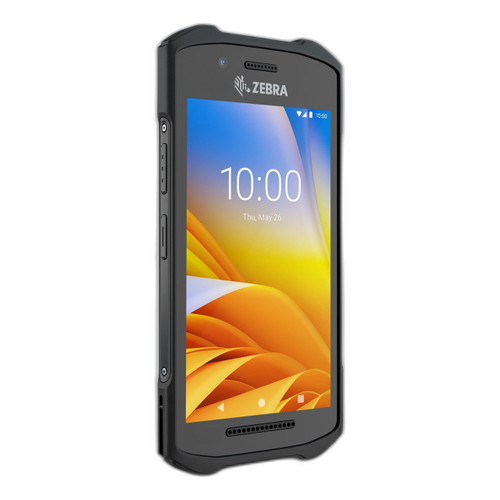
Both the Zebra WT6400 (WT0-WT64B-K6DCE2NA) and the Zebra TC2205-0G1250SS-FT are wearable mobile computing devices designed for hands-free warehouse and industrial workflows. The WT6400 is a dedicated wearable terminal with a keypad and extended battery, while the TC2205-0G1250SS-FT is a wearable RFID scanner with integrated 1D/2D barcode capture. A buyer evaluating hands-free worker devices for distribution, manufacturing, or retail fulfillment environments would reasonably cross-shop these two units.
In This Guide
- Which device delivers more processing power and modern wireless connectivity for real-time floor operations?
- Which device covers a broader range of data capture and input methods on the warehouse floor?
- Which device is better suited for full-shift durability and harsh operating environments?
- Which should you choose: the WT6400 or the TC2205-0G1250SS-FT?
- Side-by-Side Specs
- FAQ
Which device delivers more processing power and modern wireless connectivity for real-time floor operations?
The WT6400 is built around a Qualcomm QCS4490 octa-core processor running at 2.4 GHz paired with 6 GB RAM, giving it a measurable lead in raw compute headroom over the TC2205-0G1250SS-FT, which uses a Qualcomm Snapdragon 660 octa-core at 1.8 GHz with 4 GB RAM (a 3 GB/32 GB RAM/Flash variant is also listed in the TC22 spec sheet).
On wireless, the gap widens further. The WT6400 supports Wi-Fi 6E (802.11ax), the current-generation standard offering higher throughput, lower latency, and 6 GHz band access in dense RF environments. The TC2205-0G1250SS-FT is limited to Wi-Fi 5 (802.11a/b/g/n/ac), with certifications listed as 802.11a/b/g/n only in one spec field — 5 GHz-AC capability should be verified against the product datasheet. Bluetooth is 5.3 on the WT6400 versus 5.0 BLE on the TC2205-0G1250SS-FT. For deployments running high-density Wi-Fi 6E infrastructure or demanding application stacks, the WT6400 holds a clear advantage.
Which device covers a broader range of data capture and input methods on the warehouse floor?
The TC2205-0G1250SS-FT is differentiated by its integrated RFID scanning capability alongside 1D/2D barcode capture, making it a dual-purpose wearable for operations that require RFID tag reads — inventory cycle counts, asset tracking, or receiving workflows where RFID infrastructure is already deployed. The WT6400 specs provided list a 13 MP side camera but do not specify an integrated barcode scan engine or RFID capability; buyers should confirm barcode scanning support through the full product datasheet.
For keyboard-driven input the WT6400 includes a 23-key alphanumeric keypad, which is directly relevant for workers who must key in quantities, lot numbers, or confirmation codes without a touchscreen tap sequence. The TC2205-0G1250SS-FT relies on its 5.0-inch color HD (1280 x 720) touch display for input; a physical keypad is not listed in its specs. The WT6400's 4.7-inch capacitive touch panel supplements its keypad; the TC2205-0G1250SS-FT lists a 6-inch screen in one spec field and 5.0-inch in another — buyers should confirm the display size against the manufacturer datasheet.
Which device is better suited for full-shift durability and harsh operating environments?
The WT6400 carries a 5,000 mAh extended battery, producing a with-battery weight of 12.3 oz (without battery: 7.9 oz). Its drop specification is rated to 4 ft./1.2 m to concrete, and it carries an IP65 ingress protection rating, meaning it is fully dust-tight and protected against low-pressure water jets from any direction — suitable for cold-storage, outdoor receiving docks, and wash-down-adjacent environments.
The TC2205-0G1250SS-FT lists a 3,100 mAh battery, which is 38% smaller by capacity than the WT6400's pack. The TC2205-0G1250SS-FT's specs do not provide a drop-to-concrete rating or an IP ingress protection rating in the data supplied; one storage temperature field lists -30°F to 158°F / -30°C to 70°C, but operational environmental ratings and sealing class are absent from the provided specifications and should be verified before deployment in wet or high-particulate environments. The WT6400's documented IP65 and concrete-drop rating give it a verifiable ruggedness advantage based on available data.
Which should you choose: the WT6400 or the TC2205-0G1250SS-FT?
Our take: The WT6400 is the stronger choice when compute performance, modern wireless infrastructure, and shift-long battery life are the primary requirements. Its Qualcomm QCS4490 at 2.4 GHz with 6 GB RAM outpaces the TC2205-0G1250SS-FT's Snapdragon 660 at 1.8 GHz with 4 GB RAM; its Wi-Fi 6E (802.11ax) support future-proofs deployments already investing in next-generation access points; and its 5,000 mAh battery is 1,900 mAh larger than the TC2205-0G1250SS-FT's 3,100 mAh pack. However, the TC2205-0G1250SS-FT is the justified pick for operations that require integrated RFID tag reads alongside 1D/2D barcode capture from a single wearable device — a capability not listed in the WT6400 specs provided. Choose the WT6400 for compute-intensive, Wi-Fi 6E-ready, or harsh-environment deployments; choose the TC2205-0G1250SS-FT where RFID is a firm workflow requirement and existing Wi-Fi 5 infrastructure is adequate.
Side-by-Side Comparison
Spec-for-spec, from manufacturer data.
| Specification | Zebra WT6400 | Zebra TC2205-0G1250SS-FT |
|---|---|---|
| Device Category | Wearable Terminal | Wearable RFID Scanner |
| Processor | Qualcomm QCS4490 octa-core | Qualcomm Snapdragon 660 octa-core |
| Processor Speed | 2.4 GHz | 1.8 GHz |
| RAM | 6 GB | 4 GB (3 GB variant also listed) |
| Flash Storage | 64 GB | 64 GB (32 GB variant also listed) |
| Operating System | Android 13 | Android 10 |
| Wi-Fi Standard | 802.11ax (Wi-Fi 6E) | 802.11a/b/g/n/ac (Wi-Fi 5) |
| Bluetooth | 5.3 | 5.0 BLE |
| Display Size | 4.7 in. | 5.0 in. (6 in. listed in one field — verify) |
| Barcode Scanning | — | 1D/2D |
| RFID Scanning | — | Yes (integrated) |
| Physical Keypad | 23-Key Alphanumeric | — |
| Camera | 13 MP side camera | — |
| Battery Capacity | 5,000 mAh | 3,100 mAh |
| Drop Rating | 4 ft. / 1.2 m to concrete | — |
| Ingress Protection | IP65 | — |
Frequently Asked Questions
Which should you choose: the WT6400 or the TC2205-0G1250SS-FT?
The WT6400 is the stronger choice when compute performance, modern wireless infrastructure, and shift-long battery life are the primary requirements. Its Qualcomm QCS4490 at 2.4 GHz with 6 GB RAM outpaces the TC2205-0G1250SS-FT's Snapdragon 660 at 1.8 GHz with 4 GB RAM; its Wi-Fi 6E (802.11ax) support future-proofs deployments already investing in next-generation access points; and its 5,000 mAh battery is 1,900 mAh larger than the TC2205-0G1250SS-FT's 3,100 mAh pack. However, the TC2205-0G1250SS-FT is the justified pick for operations that require integrated RFID tag reads alongside 1D/2D barcode capture from a single wearable device — a capability not listed in the WT6400 specs provided. Choose the WT6400 for compute-intensive, Wi-Fi 6E-ready, or harsh-environment deployments; choose the TC2205-0G1250SS-FT where RFID is a firm workflow requirement and existing Wi-Fi 5 infrastructure is adequate.
Is the WT6400 or TC2205-0G1250SS-FT better for larger deployments with high-density Wi-Fi networks?
The WT6400 supports Wi-Fi 6E (802.11ax), which is designed for high-density, low-latency environments and operates across the 2.4, 5, and 6 GHz bands. The TC2205-0G1250SS-FT is rated to 802.11a/b/g/n/ac (Wi-Fi 5). For large deployments upgrading to Wi-Fi 6E access points, the WT6400 is the compatible choice; for sites remaining on legacy Wi-Fi 4/5 infrastructure, either device is viable from a connectivity standpoint.
Does either device support RFID scanning without an additional sled or accessory?
Yes — the TC2205-0G1250SS-FT includes integrated 1D/2D barcode and RFID scanning capability as specified. The WT6400 specs provided do not list integrated RFID or a barcode scan engine; its specified data-capture component is a 13 MP side camera. Buyers requiring native RFID reads from a single wearable unit should select the TC2205-0G1250SS-FT or verify WT6400 accessory configurations with Zebra.
Which device will last longer through a full warehouse shift without recharging?
Based on specified battery capacity, the WT6400's 5,000 mAh extended battery is 1,900 mAh (approximately 61%) larger than the TC2205-0G1250SS-FT's 3,100 mAh battery. Actual runtime depends on application load, scan duty cycle, Wi-Fi transmit activity, and display brightness — neither product's spec data includes a stated shift-hours runtime figure — but the WT6400 holds a substantial capacity advantage on paper.
More Mobile Computer Comparisons
- Honeywell CW45-X0N-AND10XG vs Unitech HT730-LJ6122BG
- Honeywell CW45-X0N-AND10XG vs Unitech HT730-LJ6142BG
- Honeywell CW45-X0N-AND10XG vs Unitech HT330-QA62TM3G-Z3
- Honeywell CW45-X0N-AND10XG vs Zebra TC2205-0G1250SS-US
- Honeywell CW45-X0N-AND10XG vs Honeywell CW45-X0N-AND10SG
- Honeywell CW45-X0N-AND10XG vs Honeywell CW45-X0N-BND10XG
Mobile Computer Buying Guides
Get a Second Opinion on Your Camera Choice
Share your site layout, coverage goals, and budget. Our team will validate the camera selection, flag anything we would change, and recommend products that match the use case.