
Zebra RFD9091-G30G700-FT vs Janam XR2-ATHKYMGWU0: Specification Comparison
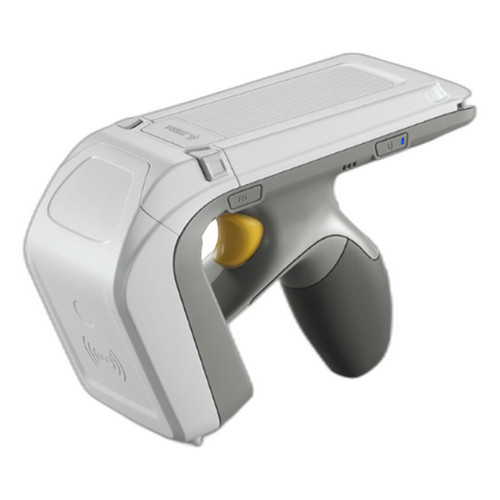
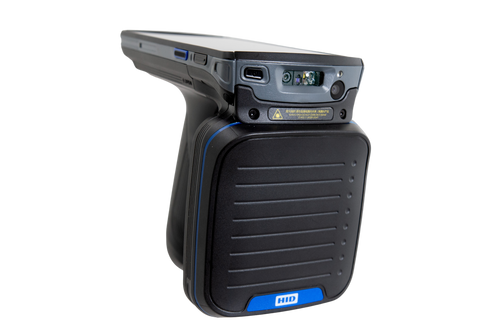
Both the Zebra RFD9091-G30G700-FT and the Janam XR2-ATHKYMGWU0 are handheld UHF RFID mobile computers targeting warehouse, logistics, and field-asset-tracking workflows. The Zebra is a wired-tethered sled-style RFID reader paired to a host device, while the Janam is a self-contained Android 13 rugged mobile computer with integrated UHF RFID, LTE, Wi-Fi, and a 2D barcode imager. Buyers evaluating either unit are weighing RFID read performance, battery endurance, wireless independence, and platform completeness for enterprise data-capture deployments.
In This Guide
- Which device delivers broader RFID and barcode capture capability?
- How do battery capacity and wireless connectivity compare for shift-length, untethered operation?
- How do ruggedness ratings and the underlying compute platform compare for harsh-environment enterprise deployment?
- Which should you choose: the RFD9091-G30G700-FT or the XR2-ATHKYMGWU0?
- Side-by-Side Specs
- FAQ
Which device delivers broader RFID and barcode capture capability?
The Zebra RFD9091-G30G700-FT reads EPC Gen 2 UHF RFID tags at extended distance and is described as a premium-plus UHF handheld reader optimized for bulk tag reads across warehouse floors. No quantified tags-per-second scan rate is provided in the supplied specifications for the Zebra unit.
The Janam XR2-ATHKYMGWU0 specifies a UHF RFID scan rate of 1,300+ tags/sec and adds a Honeywell N5703 1D/2D imager covering GS1-128, Code 39, Code 128, QR, and Data Matrix symbologies. This makes the Janam a dual-capture device — RFID plus barcode — without a secondary scanner or host phone. The Zebra's specs do not reference an integrated barcode imager, consistent with its sled/reader role.
How do battery capacity and wireless connectivity compare for shift-length, untethered operation?
Battery capacity differs substantially: the Zebra RFD9091-G30G700-FT carries a 3,160 mAh pack, while the Janam XR2-ATHKYMGWU0 carries a 9,000 mAh Li-ion battery — nearly three times the energy reserve. The Janam's larger cell is engineered to power its full Android compute platform, display, RFID engine, and radios across extended shifts.
Connectivity tells a similar story. The Zebra is specified as a wired tethered connection device; wireless capability of the Zebra unit itself is not listed in the provided specs and would depend on the host device it is paired with. The Janam is fully self-contained with Bluetooth 5.1, 802.11a/b/g/n Wi-Fi, dual-SIM GSM/LTE (including TD-LTE and FDD-LTE bands), and A-GPS/GLONASS/BeiDou/Galileo positioning — operating independently of any secondary device.
How do ruggedness ratings and the underlying compute platform compare for harsh-environment enterprise deployment?
Both units share a 1.2 m drop rating to concrete. The Janam XR2-ATHKYMGWU0 adds an IP67 ingress-protection rating — full dust exclusion and 30-minute water immersion — which is not listed in the Zebra RFD9091-G30G700-FT's provided specifications. The Zebra does specify a storage temperature range of -40 °C to 70 °C; equivalent thermal data for the Janam is not in the supplied specs.
The Janam provides a complete Android 13 AOSP compute platform with a 2.45 GHz Qualcomm octa-core processor, 4 GB RAM, 64 GB internal storage, microSD expansion to 512 GB, a 5.7-inch Gorilla Glass display, and front/rear cameras. The Zebra RFD9091-G30G700-FT is a sled-form RFID reader that depends on a tethered host device for compute, display, and application management. The Janam weighs 678 g (23.9 oz); the Zebra sled with battery is approximately 310 g (10.9 oz).
Which should you choose: the RFD9091-G30G700-FT or the XR2-ATHKYMGWU0?
Our take: The XR2-ATHKYMGWU0 is the stronger choice when the deployment requires a fully self-contained, wireless-independent rugged mobile computer that combines UHF RFID with barcode scanning on a cellular-capable Android platform. Three concrete spec deltas define the gap: the Janam's 9,000 mAh battery is roughly 2.8× the Zebra's 3,160 mAh capacity, supporting longer untethered shifts; the Janam integrates Bluetooth 5.1, Wi-Fi, and dual-SIM LTE while the Zebra is specified as wired-tethered with no standalone wireless listed; and the Janam adds IP67 dust and water ingress protection not documented for the Zebra. The RFD9091-G30G700-FT warrants consideration when buyers already operate a Zebra host-device ecosystem, prioritize a lighter form factor (310 g vs 678 g), or require the specific extended-range EPC Gen 2 RFID performance the sled is purpose-built to deliver — particularly in environments where the host device provides compute, connectivity, and application management.
Side-by-Side Comparison
Spec-for-spec, from manufacturer data.
| Specification | Zebra RFD9091-G30G700-FT | Janam XR2-ATHKYMGWU0 |
|---|---|---|
| Device Type | UHF RFID Sled Reader (tethered) | Rugged Mobile Computer (self-contained) |
| RFID Standard | EPC Gen 2 UHF | UHF (North America) |
| RFID Scan Rate | — | 1,300+ tags/sec |
| Barcode Imager | — | Honeywell N5703 1D/2D |
| Barcode Symbologies | — | GS1-128; Code 39; Code 128; QR; Data Matrix |
| Operating System | — | Android 13 (AOSP); upgradable to Android 15 |
| Processor | — | 2.45 GHz Qualcomm octa-core |
| RAM / Storage | — | 4 GB RAM / 64 GB; microSD to 512 GB |
| Display | — | 5.7 in. 720x1440 Corning Gorilla Glass |
| Battery Capacity | 3,160 mAh | 9,000 mAh Li-ion |
| Connectivity | Wired tethered | BT 5.1; 802.11a/b/g/n; GSM/LTE dual-SIM |
| IP Rating | — | IP67 |
| Drop Rating | 1.2 m to concrete | 1.2 m (4 ft) to concrete |
| Storage Temp | -40°C to 70°C | — |
| Weight | ~310 g (10.9 oz) sled with battery | 678 g (23.9 oz) |
| Warranty | 1-year | — |
Frequently Asked Questions
Which should you choose: the RFD9091-G30G700-FT or the XR2-ATHKYMGWU0?
The XR2-ATHKYMGWU0 is the stronger choice when the deployment requires a fully self-contained, wireless-independent rugged mobile computer that combines UHF RFID with barcode scanning on a cellular-capable Android platform. Three concrete spec deltas define the gap: the Janam's 9,000 mAh battery is roughly 2.8× the Zebra's 3,160 mAh capacity, supporting longer untethered shifts; the Janam integrates Bluetooth 5.1, Wi-Fi, and dual-SIM LTE while the Zebra is specified as wired-tethered with no standalone wireless listed; and the Janam adds IP67 dust and water ingress protection not documented for the Zebra. The RFD9091-G30G700-FT warrants consideration when buyers already operate a Zebra host-device ecosystem, prioritize a lighter form factor (310 g vs 678 g), or require the specific extended-range EPC Gen 2 RFID performance the sled is purpose-built to deliver — particularly in environments where the host device provides compute, connectivity, and application management.
Is the Zebra RFD9091-G30G700-FT or the Janam XR2-ATHKYMGWU0 better for workers who need to scan both RFID tags and barcodes without carrying two devices?
Based on the provided specifications, the Janam XR2-ATHKYMGWU0 is the better fit. It integrates a Honeywell N5703 1D/2D imager alongside its UHF RFID engine, covering GS1-128, Code 39, Code 128, QR, and Data Matrix in a single handheld. The Zebra RFD9091-G30G700-FT specifications do not list an integrated barcode imager; it is described as a UHF RFID sled reader.
Which device has better battery life for full-shift warehouse operation?
The Janam XR2-ATHKYMGWU0 specifies a 9,000 mAh battery versus the Zebra RFD9091-G30G700-FT's 3,160 mAh. On rated capacity alone the Janam carries nearly three times the energy. Note that the Janam must also power a full Android compute platform, display, and cellular radio, so real-world endurance depends on workload mix. The Zebra's actual runtime is also workload-dependent and would be shared with its host device's battery.
Can the Zebra RFD9091-G30G700-FT work without a Wi-Fi network or a connected host phone?
Based on the supplied specifications, no. The RFD9091-G30G700-FT is described as a wired-tethered connection device; standalone wireless connectivity is not listed in its provided specs. It requires a host device for compute, display, and network access. The Janam XR2-ATHKYMGWU0, by contrast, is fully self-contained with integrated 802.11a/b/g/n Wi-Fi, Bluetooth 5.1, and dual-SIM GSM/LTE cellular connectivity.
More Mobile Computer Comparisons
- Janam XT40-ATHKRMGW00 vs Zebra MC3390XR
- Janam XT40-ATHKRMGW00 vs Zebra MC3330XR
- Janam XT40-ATHKRMGW00 vs Janam XT3-STHGBMGW01
- Janam XT40-ATHKRMGW00 vs Janam XT3-STHJBMGW00
- Janam XT3-STHGBMGW01 vs Zebra MC3390XR
- Janam XT3-STHGBMGW01 vs Zebra MC3330XR
Mobile Computer Buying Guides
Get a Second Opinion on Your Camera Choice
Share your site layout, coverage goals, and budget. Our team will validate the camera selection, flag anything we would change, and recommend products that match the use case.