
Janam XT40-ATHKRMGW00 vs Zebra MC3330XR: Specification Comparison
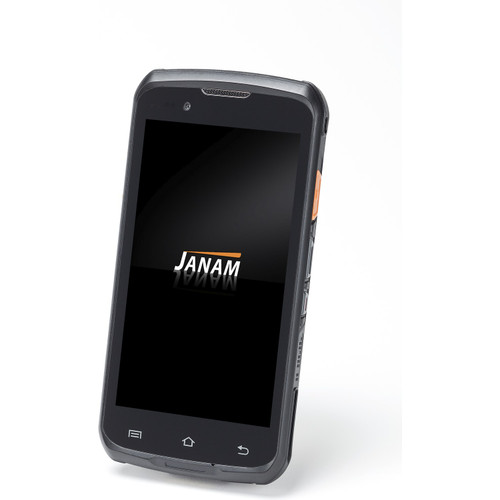
Both the Janam XT40-ATHKRMGW00 and the Zebra MC3330XR (MC333U-GJ4EG4US-1SKT) are rugged Android-based RFID/NFC handheld mobile computers targeting warehouse, retail, and field-mobility workflows that require simultaneous barcode scanning and RFID capture. The Janam ships as a candybar handheld; the Zebra is configured as a pistol-grip gun. This comparison evaluates the three dimensions that drive purchase decisions in this class: scanning and RFID capability, hardware durability and form factor, and OS/platform and storage.
In This Guide
- How do the scanning engines and RFID/NFC capabilities compare?
- Which device offers stronger ruggedness and a better fit for the intended work environment?
- How do the operating system, storage, and wireless connectivity stacks compare?
- Which should you choose: the XT40-ATHKRMGW00 or the MC3330XR?
- Side-by-Side Specs
- FAQ
How do the scanning engines and RFID/NFC capabilities compare?
The Janam XT40-ATHKRMGW00 uses a Honeywell N5703 1D/2D imager supporting Code 128, Code 39, UPC, EAN, QR Code, Data Matrix, PDF417, and additional symbologies. It also integrates NFC Forum Tag 1–5 with ISO14443 Type A/B, ISO15693, MIFARE, and Sony Felica on 13.56 MHz for short-range tag reading.
The Zebra MC3330XR is spec'd as a UHF RFID gun (the SKU suffix '-GJ4EG4US' and the product title 'UHF RFID GUN' indicate a UHF RFID reader configuration). Its provided specs confirm a 1D/2D imager and list 'RFID Reader' as a feature, with 'Short Range' scanner range. The UHF RFID read range and antenna specifications are not provided in the supplied spec sheet.
Key distinction: the Janam's RFID is HF/NFC (13.56 MHz, centimeter-range), suited for access cards and NFC tags. The Zebra MC3330XR targets UHF RFID (typically 860–960 MHz, meter-range), suited for pallet and carton-level inventory tracking. Buyers must match this choice to their tag infrastructure.
Which device offers stronger ruggedness and a better fit for the intended work environment?
The Janam XT40-ATHKRMGW00 is rated IP65 (dust-tight, protected against low-pressure water jets) and is tested to withstand 1.5 m (5 ft) drops to concrete on all sides. It weighs 9.8 oz (280 g) with battery and measures 152 mm × 76 mm × 18 mm. The candybar form factor includes a side scan trigger, volume keys, power button, and function key.
The Zebra MC3330XR is described as 'Rugged' with a pistol-grip form factor. A specific IP rating and numeric drop-test specification are not provided in the supplied spec data. The pistol-grip design distributes the weight differently and reduces fatigue during sustained trigger-pull scanning in warehouse aisles.
The Janam provides quantified IP65 and 1.5 m drop ratings; the Zebra's ruggedness claim is present but not numerically substantiated in the provided specs. Ergonomically, the pistol grip of the Zebra is a meaningful differentiator for high-volume scan cycles, while the Janam's slim candybar suits mixed-use scenarios including voice calls and desk work.
How do the operating system, storage, and wireless connectivity stacks compare?
The Janam XT40-ATHKRMGW00 runs Android 13 (AOSP or GMS selectable) on a 2.4 GHz Qualcomm Snapdragon octa-core processor with 4 GB RAM and 64 GB internal storage, expandable via microSD SDXC up to 512 GB. It supports Wi-Fi 802.11 a/b/g/n/ac, Bluetooth 5.1, and optional LTE (FDD/TD), WCDMA, and GSM/EDGE/GPRS. An upgrade path to Android 15 is stated.
The Zebra MC3330XR runs Android with GMS and provides 32 GB flash storage. Wi-Fi 802.11 and Bluetooth are listed. RAM, processor, specific Wi-Fi bands, Bluetooth version, and LTE/WWAN capability are not specified in the provided specs. Storage expansion is not mentioned.
The Janam has a 2× storage advantage in base flash (64 GB vs. 32 GB), adds up to 512 GB via microSD, specifies Bluetooth 5.1, and documents a named upgrade path. The Zebra's Android version is listed as 'Android w/ GMS' without a version number in the supplied data. Both support Wi-Fi and Bluetooth; WWAN on the Zebra is not confirmed by the provided spec sheet.
Which should you choose: the XT40-ATHKRMGW00 or the MC3330XR?
Our take: The XT40-ATHKRMGW00 is the stronger choice when the deployment requires HF/NFC tag reading, broader wireless options (including documented LTE), higher base storage, and quantified ruggedness ratings. The Janam specifies IP65, a 1.5 m drop rating, 64 GB storage expandable to 512 GB, Bluetooth 5.1, and Android 13 with a documented Android 15 upgrade path — each a concrete, verifiable figure. The Zebra MC3330XR, by contrast, is the correct choice when the application demands UHF RFID at meter-range read distances, as its pistol-grip UHF configuration is purpose-built for pallet and carton inventory workflows the Janam's HF/NFC cannot replicate. The Zebra's IP and drop ratings are absent from the provided specs, and its storage (32 GB) is half that of the Janam. Buyers on Zebra's enterprise MDM ecosystem (Zebra DNA / LifeGuard) should confirm platform support before selecting the Janam.
Side-by-Side Comparison
Spec-for-spec, from manufacturer data.
| Specification | Janam XT40-ATHKRMGW00 | Zebra MC3330XR |
|---|---|---|
| Form Factor | Candybar handheld | Pistol grip |
| Operating System | Android 13 (GMS or AOSP); upgradable to Android 15 | Android w/ GMS (version not specified) |
| Processor | 2.4 GHz Qualcomm Snapdragon octa-core | — |
| RAM | 4 GB | — |
| Internal Storage | 64 GB | 32 GB |
| Storage Expansion | microSD SDXC up to 512 GB | — |
| Scan Engine | Honeywell N5703 1D/2D imager | 1D/2D imager (model not specified) |
| RFID Type | HF/NFC — 13.56 MHz (ISO14443, ISO15693, MIFARE, Felica) | UHF RFID reader |
| NFC | NFC Forum Tag 1–5; ISO14443 A/B; ISO15693; MIFARE; Felica | — |
| Wi-Fi | 802.11 a/b/g/n/ac | 802.11 (bands not specified) |
| Bluetooth | Bluetooth 5.1 | Bluetooth (version not specified) |
| WWAN / Cellular | Optional LTE (FDD/TD); WCDMA; GSM/EDGE/GPRS | — |
| IP Rating | IP65 | — |
| Drop Rating | 1.5 m (5 ft) to concrete | — |
| Battery | 4500 mAh removable Li-ion; 8–12 hr rated life | Extended battery (capacity not specified) |
| Weight | 280 g (9.8 oz) with battery | — |
Frequently Asked Questions
Which should you choose: the XT40-ATHKRMGW00 or the MC3330XR?
The XT40-ATHKRMGW00 is the stronger choice when the deployment requires HF/NFC tag reading, broader wireless options (including documented LTE), higher base storage, and quantified ruggedness ratings. The Janam specifies IP65, a 1.5 m drop rating, 64 GB storage expandable to 512 GB, Bluetooth 5.1, and Android 13 with a documented Android 15 upgrade path — each a concrete, verifiable figure. The Zebra MC3330XR, by contrast, is the correct choice when the application demands UHF RFID at meter-range read distances, as its pistol-grip UHF configuration is purpose-built for pallet and carton inventory workflows the Janam's HF/NFC cannot replicate. The Zebra's IP and drop ratings are absent from the provided specs, and its storage (32 GB) is half that of the Janam. Buyers on Zebra's enterprise MDM ecosystem (Zebra DNA / LifeGuard) should confirm platform support before selecting the Janam.
Can the Janam XT40-ATHKRMGW00 read the same RFID tags as the Zebra MC3330XR?
No. The Janam reads HF/NFC tags at 13.56 MHz (ISO14443, ISO15693, MIFARE) at centimeter range. The Zebra MC3330XR is a UHF RFID gun operating at approximately 860–960 MHz, capable of reading tags at meter-level distances. These are different tag standards and are not interchangeable; your existing tag infrastructure determines which device is compatible.
Is the Janam XT40-ATHKRMGW00 or the Zebra MC3330XR better for high-volume warehouse scanning shifts?
The Zebra MC3330XR's pistol-grip form factor is designed to reduce hand fatigue during sustained trigger-pull scan cycles typical of warehouse receiving and picking. The Janam XT40-ATHKRMGW00 uses a candybar form with a side scan trigger, which suits mixed-use tasks. The Janam specifies an 8–12 hour battery life on its 4500 mAh removable pack; battery runtime for the Zebra's extended battery is not provided in the supplied specs.
Which device has a clearer OS upgrade and long-term support path?
The Janam XT40-ATHKRMGW00 explicitly states Android 13 (GMS or AOSP) with an upgrade path to Android 15. The Zebra MC3330XR's spec sheet lists 'Android w/ GMS' without specifying a version number or upgrade timeline in the provided data. Buyers requiring a defined OS lifecycle should verify the Zebra's LifeGuard for Android support schedule directly with Zebra.
More Mobile Computer Comparisons
- Janam XT40-ATHKRMGW00 vs Zebra MC3390XR
- Janam XT40-ATHKRMGW00 vs Janam XT3-STHGBMGW01
- Janam XT40-ATHKRMGW00 vs Janam XT3-STHJBMGW00
- Janam XT3-STHGBMGW01 vs Zebra MC3390XR
- Janam XT3-STHGBMGW01 vs Zebra MC3330XR
- Janam XT3-STHGBMGW01 vs Janam XT3-STHJBMGW00
Mobile Computer Buying Guides
Get a Second Opinion on Your Camera Choice
Share your site layout, coverage goals, and budget. Our team will validate the camera selection, flag anything we would change, and recommend products that match the use case.