
Ubiquiti UAP-AC-PRO-US vs TP-Link EAP225-OUTDOOR: Specification Comparison
Both the Ubiquiti UAP-AC-PRO-US and the TP-Link EAP225-OUTDOOR are dual-band 802.11ac (Wi-Fi 5) wireless access points designed for single-cable PoE deployment. The comparison covers throughput and radio performance, power input and environmental resilience, and management platform requirements — the three axes that most directly determine fit for outdoor and mixed indoor/outdoor enterprise or SMB Wi-Fi installations.

In This Guide
- Which access point delivers more throughput and radio capacity?
- How do the two units differ in power requirements and environmental suitability?
- What port configuration and management platform does each unit require?
- Which should you choose: the UAP-AC-PRO-US or the EAP225-OUTDOOR?
- Side-by-Side Specs
- FAQ
Which access point delivers more throughput and radio capacity?
The UAP-AC-PRO-US is rated at 1.75 Gbps aggregate: 450 Mbps on 2.4 GHz and 1,300 Mbps on 5 GHz. The EAP225-OUTDOOR is rated AC1200: 300 Mbps on 2.4 GHz and 867 Mbps on 5 GHz. On the 5 GHz band — where most client throughput is delivered — the UAP-AC-PRO-US holds a 433 Mbps advantage (1,300 vs 867 Mbps). On 2.4 GHz the gap is 150 Mbps (450 vs 300 Mbps). Both units use 802.11ac (Wi-Fi 5); neither spec lists MU-MIMO stream count or channel-width maximums explicitly, so the comparison is limited to the aggregate rated figures provided. Buyers expecting high concurrent client density will note the UAP-AC-PRO-US's higher headline ceiling, though real-world throughput depends on client capabilities not captured in either spec sheet.
How do the two units differ in power requirements and environmental suitability?
The UAP-AC-PRO-US requires PoE+ (IEEE 802.3at), which delivers up to 30 W. The EAP225-OUTDOOR operates on standard PoE (802.3af), which is capped at 15.4 W and under 13 W per spec. This means the UAP-AC-PRO-US demands a PoE+ capable switch or injector; the EAP225-OUTDOOR can be powered by any 802.3af-compliant port, a meaningful infrastructure cost consideration. On operating temperature, the EAP225-OUTDOOR has a broader rated range: -30°C to 65°C (-22°F to 149°F). The UAP-AC-PRO-US is rated -10°C to 50°C (14°F to 122°F). No IP ingress-protection rating is listed in the UAP-AC-PRO-US specs; the EAP225-OUTDOOR carries an IP65 rating, confirming dust-tight and jet-water resistance. Installers deploying in freezing climates or in environments requiring a certified weatherproof enclosure will find the EAP225-OUTDOOR's specs more explicit on both counts.
What port configuration and management platform does each unit require?
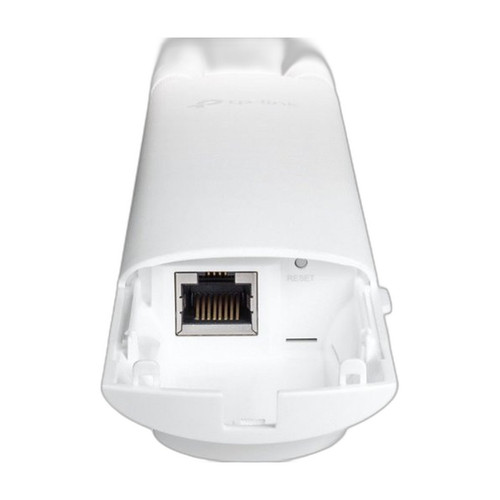
The UAP-AC-PRO-US provides two Gigabit Ethernet ports — the specs describe these as a primary uplink and a redundant or daisy-chain secondary port — allowing wired expansion or link redundancy without additional switching. The EAP225-OUTDOOR's spec lists a single Gigabit Ethernet uplink; no second wired port is specified. On management, the UAP-AC-PRO-US requires the UniFi Controller (hardware or software), which enables centralized configuration, client visibility, RF planning, and guest-portal features across Ubiquiti infrastructure. The EAP225-OUTDOOR's spec does not explicitly state a controller requirement or management platform in the data provided. Installers already running UniFi ecosystems gain native integration with the UAP-AC-PRO-US; those without an existing Ubiquiti footprint must account for the controller dependency. No VLAN, captive portal, or band-steering spec details are present for either unit in the provided data.
Which should you choose: the UAP-AC-PRO-US or the EAP225-OUTDOOR?
Our take: The UAP-AC-PRO-US is the stronger choice when throughput headroom, dual-port flexibility, and an existing UniFi management ecosystem are the primary requirements. Its 1,300 Mbps 5 GHz ceiling exceeds the EAP225-OUTDOOR's 867 Mbps by 433 Mbps, and its second Gigabit port enables daisy-chain or redundant uplinks absent from the TP-Link spec. However, the EAP225-OUTDOOR holds meaningful advantages in two areas: it is rated to -30°C vs -10°C for the UAP-AC-PRO-US — a 20-degree cold-weather margin — and it carries an explicit IP65 weatherproof rating that the UAP-AC-PRO-US specs do not list. It also operates on 802.3af PoE, avoiding the PoE+ infrastructure requirement. Choose the UAP-AC-PRO-US for high-density indoor or sheltered outdoor deployments within a UniFi environment; choose the EAP225-OUTDOOR for exposed outdoor sites, freezing climates, or infrastructure limited to 802.3af PoE ports.
Side-by-Side Comparison
Spec-for-spec, from manufacturer data.
| Specification | Ubiquiti UAP-AC-PRO-US | TP-Link EAP225-OUTDOOR |
|---|---|---|
| Wi-Fi Standard | 802.11ac (Wi-Fi 5) | 802.11ac (Wi-Fi 5) |
| Aggregate Throughput | 1,750 Mbps | 1,200 Mbps |
| 5 GHz Throughput | 1,300 Mbps | 867 Mbps |
| 2.4 GHz Throughput | 450 Mbps | 300 Mbps |
| PoE Standard Required | PoE+ (802.3at) | PoE (802.3af, <13 W) |
| Ethernet Ports | 2 × Gigabit (uplink + daisy-chain) | 1 × Gigabit (uplink) |
| IP Ingress Protection | — | IP65 |
| Operating Temp (Low) | -10°C (14°F) | -30°C (-22°F) |
| Operating Temp (High) | 50°C (122°F) | 65°C (149°F) |
| Management Platform | UniFi Controller (required) | — |
| Form Factor | External enclosure | Outdoor |
| Certifications | CE, FCC, IC | — |
| Country of Origin | CN | — |
| Weight | 2.000 lb | — |
| Mounting | Wall; Ceiling; Rack | — |
Frequently Asked Questions
Which should you choose: the UAP-AC-PRO-US or the EAP225-OUTDOOR?
The UAP-AC-PRO-US is the stronger choice when throughput headroom, dual-port flexibility, and an existing UniFi management ecosystem are the primary requirements. Its 1,300 Mbps 5 GHz ceiling exceeds the EAP225-OUTDOOR's 867 Mbps by 433 Mbps, and its second Gigabit port enables daisy-chain or redundant uplinks absent from the TP-Link spec. However, the EAP225-OUTDOOR holds meaningful advantages in two areas: it is rated to -30°C vs -10°C for the UAP-AC-PRO-US — a 20-degree cold-weather margin — and it carries an explicit IP65 weatherproof rating that the UAP-AC-PRO-US specs do not list. It also operates on 802.3af PoE, avoiding the PoE+ infrastructure requirement. Choose the UAP-AC-PRO-US for high-density indoor or sheltered outdoor deployments within a UniFi environment; choose the EAP225-OUTDOOR for exposed outdoor sites, freezing climates, or infrastructure limited to 802.3af PoE ports.
Does the UAP-AC-PRO-US or EAP225-OUTDOOR handle cold-weather outdoor installations better?
Based on the provided specs, the EAP225-OUTDOOR is rated to -30°C, compared to -10°C for the UAP-AC-PRO-US. For installations in climates that drop below -10°C, only the EAP225-OUTDOOR's rated operating range covers that condition.
Can I power either unit from a standard PoE switch port?
The EAP225-OUTDOOR is specified to run on 802.3af PoE (under 13 W), which is supported by any standard PoE port. The UAP-AC-PRO-US requires PoE+ (802.3at, up to 30 W). If your switch only provides 802.3af, you would need a PoE+ injector or a PoE+ capable switch to power the UAP-AC-PRO-US.
Do I need special software to manage either of these access points?
The UAP-AC-PRO-US explicitly requires the UniFi Controller for configuration and management — this can be a hardware appliance or software instance. The EAP225-OUTDOOR spec provided does not state a controller requirement; however, buyers should verify TP-Link's Omada or standalone management options independently, as that detail is not present in the spec data used for this comparison.
More Wireless Access Point Comparisons
Get a Second Opinion on Your Camera Choice
Share your site layout, coverage goals, and budget. Our team will validate the camera selection, flag anything we would change, and recommend products that match the use case.