
Ubiquiti B-DB-AC-US vs TP-Link EAP225-OUTDOOR: Specification Comparison
Both the Ubiquiti B-DB-AC-US and the TP-Link EAP225-OUTDOOR are outdoor-rated, dual-band 802.11ac (Wi-Fi 5) wireless access points designed for single-cable PoE deployments in harsh environments. Buyers evaluating either unit are typically extending Wi-Fi coverage to exterior areas—parking lots, campuses, building façades, or tower links—and need a device that can survive weather, deliver reliable throughput, and fit into a managed network. This comparison examines RF capability, environmental and physical resilience, and management and power characteristics using only the published specifications for each model.

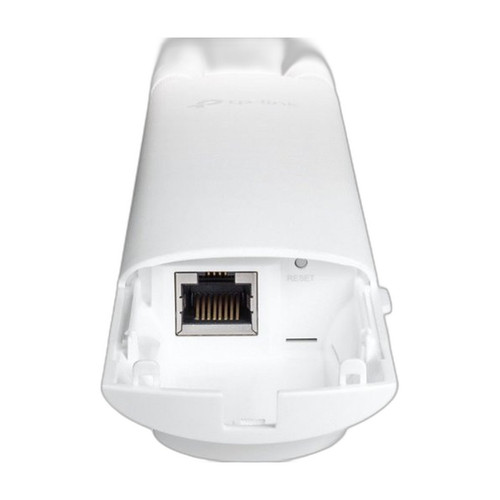
In This Guide
- Which access point delivers more RF throughput and what dual-band speeds are specified?
- How do the two units compare on weatherproofing, operating temperature range, and physical protection?
- What are the PoE power requirements, power consumption, and management platform for each unit?
- Which should you choose: the B-DB-AC-US or the EAP225-OUTDOOR?
- Side-by-Side Specs
- FAQ
Which access point delivers more RF throughput and what dual-band speeds are specified?
The TP-Link EAP225-OUTDOOR publishes an explicit aggregate throughput rating of AC1200, broken down as 867 Mbps on the 5 GHz band and 300 Mbps on the 2.4 GHz band. These are the MCS-rate maximums stated in its specification.
The Ubiquiti B-DB-AC-US is specified as 802.11ac Dual-Band (5 GHz + 2.4 GHz) but does not publish a numeric aggregate throughput figure or per-band MCS maximum in the provided specifications. The modulation table referenced in the datasheet is not reproduced in the available data, so no direct throughput number can be cited for the Ubiquiti unit.
For buyers who require a published throughput ceiling before selecting hardware, the EAP225-OUTDOOR's AC1200 rating provides a concrete reference point. The B-DB-AC-US's RF performance cannot be compared numerically from the available specifications.
How do the two units compare on weatherproofing, operating temperature range, and physical protection?
The Ubiquiti B-DB-AC-US specifies an operating temperature range of -40°C to 70°C (-40°F to 158°F) and includes ESD protection rated at ±24 kV contact and air discharge. No IP ingress-protection rating is published in the available specifications; the unit is described as outdoor/weatherproof with a bullet form factor.
The TP-Link EAP225-OUTDOOR carries an IP65 rating, which certifies full dust exclusion and protection against low-pressure water jets from any direction—a defined and internationally recognized standard. Its operating temperature range is specified as -30°C to 65°C.
The B-DB-AC-US has a wider operating temperature range at both the cold end (-40°C vs. -30°C) and the hot end (70°C vs. 65°C), making it the stronger choice for extreme-temperature environments such as northern outdoor installations or rooftops with high solar loading. The EAP225-OUTDOOR provides a certified IP65 dust and water rating; the Ubiquiti unit's weatherproofing level cannot be quantified from the available specifications without an IP rating.
What are the PoE power requirements, power consumption, and management platform for each unit?
The Ubiquiti B-DB-AC-US specifies a power consumption of 8W and lists both PoE 802.3at and PoE 802.3af in its specification fields, with a minimum power supply reference of 24VDC at 0.3A. Management is handled through the UNMS (Ubiquiti Network Management System) application. The unit has a single Gigabit Ethernet port.
The TP-Link EAP225-OUTDOOR specifies PoE 802.3af input at under 13W and includes a Gigabit Ethernet uplink. Management is handled through TP-Link's Omada controller platform (implied by the EAP product family, though the Omada brand is not explicitly named in the provided specifications). No standalone power consumption wattage figure is published beyond the 'under 13W' PoE ceiling.
The B-DB-AC-US's 8W consumption figure is lower than the EAP225-OUTDOOR's stated maximum of under 13W, which may influence switch port budgeting in large deployments. Both units are compatible with 802.3af PoE switches. Management ecosystems differ: Ubiquiti's UNMS and TP-Link's EAP controller are separate platforms with no cross-compatibility, so existing controller infrastructure is a significant purchasing constraint.
Which should you choose: the B-DB-AC-US or the EAP225-OUTDOOR?
Our take: The B-DB-AC-US is the stronger choice when operating temperature range, ESD hardening, and Ubiquiti UNMS ecosystem integration are the primary requirements. It extends 10°C lower (-40°C vs. -30°C) and 5°C higher (70°C vs. 65°C) than the EAP225-OUTDOOR, and its ±24 kV ESD protection is a specified figure the TP-Link unit does not publish. At 8W it also draws less power than the EAP225-OUTDOOR's sub-13W ceiling, easing PoE switch budget planning. Conversely, the EAP225-OUTDOOR holds a defined IP65 ingress-protection rating—the Ubiquiti unit has no published IP rating—and explicitly states AC1200 throughput (867 Mbps / 300 Mbps per band) where the Ubiquiti provides none. Buyers standardized on Ubiquiti UNMS should select the B-DB-AC-US; those in TP-Link Omada environments or requiring a certified IP65 rating should select the EAP225-OUTDOOR.
Side-by-Side Comparison
Spec-for-spec, from manufacturer data.
| Specification | Ubiquiti B-DB-AC-US | TP-Link EAP225-OUTDOOR |
|---|---|---|
| Wireless Standard | 802.11ac Dual-Band (Wi-Fi 5) | 802.11ac Dual-Band (Wi-Fi 5) |
| Aggregate Throughput | — | AC1200 |
| 5 GHz Max Rate | — | 867 Mbps |
| 2.4 GHz Max Rate | — | 300 Mbps |
| Form Factor | Bullet (outdoor) | Outdoor AP |
| IP Ingress Protection | — | IP65 |
| Operating Temperature | -40°C to 70°C | -30°C to 65°C |
| ESD Protection | ±24 kV contact / air | — |
| PoE Standard | 802.3af / 802.3at | 802.3af |
| Power Consumption | 8W | Under 13W |
| Uplink Port | Gigabit Ethernet | Gigabit Ethernet |
| Management Platform | UNMS app | EAP controller (TP-Link) |
| Certifications | CE, FCC, IC | — |
| Country of Origin | CN | — |
| Weight | 0.250 lb | — |
| Warranty | Manufacturer Warranty | — |
Frequently Asked Questions
Which should you choose: the B-DB-AC-US or the EAP225-OUTDOOR?
The B-DB-AC-US is the stronger choice when operating temperature range, ESD hardening, and Ubiquiti UNMS ecosystem integration are the primary requirements. It extends 10°C lower (-40°C vs. -30°C) and 5°C higher (70°C vs. 65°C) than the EAP225-OUTDOOR, and its ±24 kV ESD protection is a specified figure the TP-Link unit does not publish. At 8W it also draws less power than the EAP225-OUTDOOR's sub-13W ceiling, easing PoE switch budget planning. Conversely, the EAP225-OUTDOOR holds a defined IP65 ingress-protection rating—the Ubiquiti unit has no published IP rating—and explicitly states AC1200 throughput (867 Mbps / 300 Mbps per band) where the Ubiquiti provides none. Buyers standardized on Ubiquiti UNMS should select the B-DB-AC-US; those in TP-Link Omada environments or requiring a certified IP65 rating should select the EAP225-OUTDOOR.
Which unit is better rated for extreme cold or heat?
The Ubiquiti B-DB-AC-US specifies a wider operating temperature range of -40°C to 70°C, compared to the TP-Link EAP225-OUTDOOR's -30°C to 65°C. If the installation site experiences temperatures below -30°C or above 65°C, the B-DB-AC-US is the only unit with a published specification covering that range.
Does either access point have a certified IP dust and water protection rating?
The TP-Link EAP225-OUTDOOR carries an IP65 rating, certifying full dust exclusion and resistance to water jets. The Ubiquiti B-DB-AC-US does not publish an IP rating in the available specifications; it is described as outdoor/weatherproof but no IEC 60529 classification is provided.
Can I manage both access points from the same controller platform?
No. The Ubiquiti B-DB-AC-US is managed through Ubiquiti's UNMS application, while the TP-Link EAP225-OUTDOOR belongs to TP-Link's EAP product line with its own controller platform. These are separate, incompatible management ecosystems. If your site already runs one vendor's controller infrastructure, adding the other vendor's hardware would require operating a second management system.
More Wireless Access Point Comparisons
Get a Second Opinion on Your Camera Choice
Share your site layout, coverage goals, and budget. Our team will validate the camera selection, flag anything we would change, and recommend products that match the use case.