
Socket Mobile CX3426-1872 vs Socket Mobile CX3982-3039: Specification Comparison
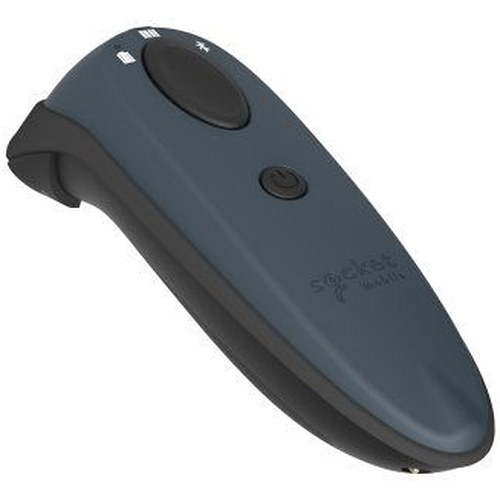
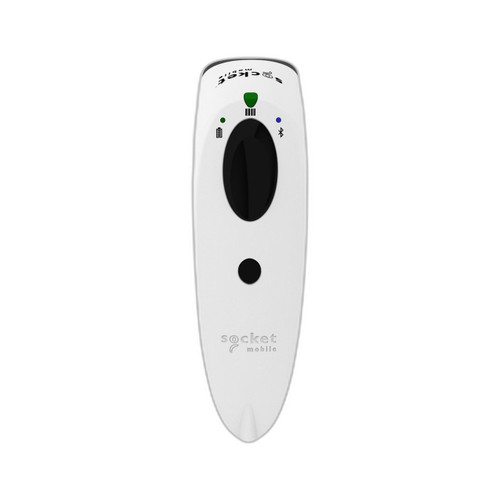
Both the Socket Mobile CX3426-1872 and CX3982-3039 are handheld, wireless 2D barcode scanners intended for mobile warehouse, retail, and POS environments. Each connects via Bluetooth and targets operators who need cord-free scanning of mixed 1D/2D symbology sets alongside iOS and Android devices. This comparison evaluates the two on symbology breadth, environmental operating range, and platform/connectivity specifics—the three dimensions that most directly drive purchase decisions in this product class.
In This Guide
Which scanner supports a broader set of barcodes and symbologies?
The CX3426-1872 spec lists five named symbologies across 1D and 2D: Code 128 and Code 39 on the 1D side, and QR Code, Data Matrix, and PDF417 on the 2D side. This coverage is particularly relevant for environments that must read PDF417 (common on government IDs, shipping labels, and boarding passes) and Data Matrix (widely used in electronics, medical device, and parts-traceability workflows).
The CX3982-3039 structured specs list only two symbologies explicitly: QR Code (2D) and UPC (1D). The product's marketing fields expand this to include Code 128, EAN, and standard 1D barcodes, but those entries appear in the tilde-prefixed enrichment fields rather than the underscore-prefixed specification fields. Buyers requiring Data Matrix or PDF417 cannot confirm support from the structured spec data provided for the CX3982-3039.
Which scanner is rated for a wider operating temperature range?
The CX3426-1872 carries an explicitly stated operating temperature range of 0°C to 45°C (32°F to 113°F), covering standard climate-controlled warehouses, retail floor environments, and light industrial interiors.
No operating temperature specification is provided in the structured or enrichment data for the CX3982-3039. Buyers deploying in environments with temperature extremes—cold storage anterooms, loading docks, or warm manufacturing floors—cannot confirm suitability from the available specs and would need to consult Socket Mobile's published datasheet for the CX3982-3039 directly.
Which scanner offers clearer platform compatibility and data output documentation?
The CX3426-1872 is documented as Bluetooth wireless with a handheld form factor in gray. No specific host platform (iOS, Android, Windows) or data output protocol is listed in the provided specifications.
The CX3982-3039 explicitly identifies Bluetooth pairing with iOS and Android as supported platforms. Its enrichment fields also note keyboard emulation and standard serial protocols as data output modes, which are meaningful for buyers integrating into existing POS or WMS software without custom SDK work. A datasheet path (/content/product-datasheets/CX3982-3039.pdf) is also referenced, offering an additional verification resource not noted for the CX3426-1872.
Which should you choose: the CX3426-1872 or the CX3982-3039?
Our take: The CX3426-1872 is the stronger choice when symbology breadth is the primary requirement. Its structured specs confirm five symbologies—Code 128, Code 39, QR Code, Data Matrix, and PDF417—versus only two confirmed in the CX3982-3039's structured spec (QR Code and UPC). The CX3426-1872 also provides an explicit operating temperature rating of 0°C to 45°C, while no temperature rating is available for the CX3982-3039. Conversely, the CX3982-3039 is the better-documented choice for iOS and Android mobile deployments: it explicitly lists both platforms and notes keyboard emulation and serial output modes, which simplify integration. Both carry a 1-year warranty and share a handheld Bluetooth form factor. Buyers running government ID, medical, or parts-traceability workflows requiring Data Matrix or PDF417 should favor the CX3426-1872; buyers prioritizing confirmed mobile-OS compatibility and documented output protocols should evaluate the CX3982-3039.
Side-by-Side Comparison
Spec-for-spec, from manufacturer data.
| Specification | Socket Mobile CX3426-1872 | Socket Mobile CX3982-3039 |
|---|---|---|
| Product Type | Scanner | Scanner |
| Scanner Type | Handheld | Handheld |
| Scan Engine | 2D Linear Imager | 1D/2D |
| Connectivity | Bluetooth | Wireless Bluetooth |
| Platform Support | — | iOS and Android |
| Data Output | — | Keyboard emulation; standard serial protocols |
| Symbologies — 1D | Code 128; Code 39 | UPC |
| Symbologies — 2D | QR Code; Data Matrix; PDF417 | QR Code |
| Total Confirmed Symbologies | 5 | 2 |
| Operating Temperature | 0°C to 45°C (32°F to 113°F) | — |
| Form Factor | Handheld (Gray) | Compact Handheld (White) |
| Warranty | 1-year | 1-year |
| Datasheet Reference | — | /content/product-datasheets/CX3982-3039.pdf |
| Package Contents | Scanner included | — |
Frequently Asked Questions
Which should you choose: the CX3426-1872 or the CX3982-3039?
The CX3426-1872 is the stronger choice when symbology breadth is the primary requirement. Its structured specs confirm five symbologies—Code 128, Code 39, QR Code, Data Matrix, and PDF417—versus only two confirmed in the CX3982-3039's structured spec (QR Code and UPC). The CX3426-1872 also provides an explicit operating temperature rating of 0°C to 45°C, while no temperature rating is available for the CX3982-3039. Conversely, the CX3982-3039 is the better-documented choice for iOS and Android mobile deployments: it explicitly lists both platforms and notes keyboard emulation and serial output modes, which simplify integration. Both carry a 1-year warranty and share a handheld Bluetooth form factor. Buyers running government ID, medical, or parts-traceability workflows requiring Data Matrix or PDF417 should favor the CX3426-1872; buyers prioritizing confirmed mobile-OS compatibility and documented output protocols should evaluate the CX3982-3039.
Can the CX3982-3039 read Data Matrix and PDF417 barcodes like the CX3426-1872?
Based on the structured specifications provided, Data Matrix and PDF417 are confirmed only for the CX3426-1872. The CX3982-3039's structured spec lists QR Code and UPC as its symbologies. Buyers requiring Data Matrix or PDF417 on the CX3982-3039 should verify against Socket Mobile's published datasheet for that model before purchasing.
Which scanner is better suited for environments with temperature variation, such as a loading dock or cold storage anteroom?
The CX3426-1872 is the only model in this comparison with a documented operating temperature rating (0°C to 45°C / 32°F to 113°F). No operating temperature data is available in the provided specs for the CX3982-3039, so its suitability for non-standard temperature environments cannot be confirmed from the information provided.
Is the CX3982-3039 or CX3426-1872 easier to integrate with an existing iPhone- or Android-based POS system?
The CX3982-3039 explicitly documents Bluetooth pairing with iOS and Android and notes keyboard emulation and standard serial protocols as data output modes—both of which are standard integration paths for mobile POS software. The CX3426-1872's structured specs do not specify host platform compatibility or output protocols, so iOS/Android suitability for that model cannot be confirmed from the available data alone.
More Barcode Scanner Comparisons
- Zebra DS3678 vs Honeywell 520-36/48-H3
- Zebra DS3678 vs CipherLab A2564S2BS0001
- Zebra DS3678 vs Honeywell 1962H-WC-CUP
- Zebra DS3678 vs Socket Mobile CX4238-3326
- Zebra DS3678 vs Zebra DS3678
- Zebra DS3678 vs Zebra DS8178-SRSF007ZZWW
Barcode Scanner Buying Guides
Get a Second Opinion on Your Camera Choice
Share your site layout, coverage goals, and budget. Our team will validate the camera selection, flag anything we would change, and recommend products that match the use case.