
ACTi B913 vs ACTi B928: Specification Comparison
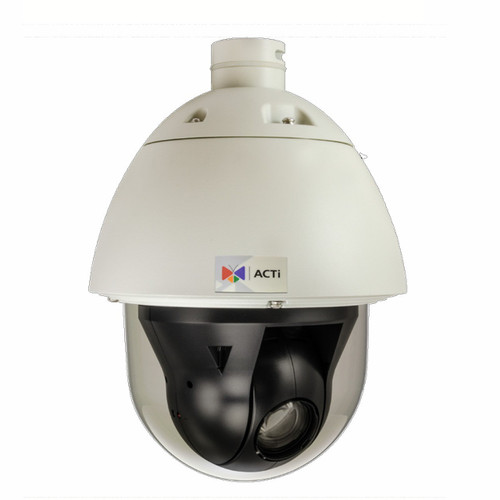
The ACTi B913 and B928 are both 5MP speed-dome PTZ cameras from ACTi, sharing the same resolution class, sensor size, compression stack, and ONVIF profile set. The B913 is designed for indoor deployment, while the B928 is purpose-built for outdoor and harsh-environment use. Buyers comparing them are typically deciding between an indoor-rated unit for lobbies, atriums, or warehouses and a ruggedized outdoor counterpart for perimeters, parking lots, or exposed industrial sites. This comparison examines how their imaging, installation, and integration specs differ.
In This Guide
How do the imaging specs compare?
Both cameras share a 1/2.9" sensor delivering 5MP resolution at 30 fps and support H.265, H.264, and MJPEG compression with 120dB WDR. The B913 uses a 4.5–135mm lens (30x optical zoom), while the B928 extends to 4.6–165.6mm (36x optical zoom), providing 20% more reach at maximum zoom — a meaningful difference for identifying subjects at greater distances. The B928 also covers variable resolution down to 320×240 as specified, whereas no variable resolution floor is stated for the B913.
Low-light performance differs substantially. The B913 achieves 0.1 lux (color) and 0.05 lux (B/W) at F1.6, with IR sensitivity spanning 700–1100nm. The B928 drops to 0.003 lux (color) at F1.55 and 0 lux (B/W, IR on) with dedicated 850nm IR illuminators rated to 200m working distance. No IR working-distance figure is specified for the B913. For zero-lux scenes or long IR throw, the B928 has a clear measurable advantage.
What about installation and environment?
The B913 is rated IK09 with no IP ingress rating specified — consistent with its indoor-only application. The B928 carries IP66, IK10 (metal casing), and NEMA 4X ratings, making it suitable for water jet exposure, outdoor dust, and stronger mechanical impact. Operating temperature range also diverges: the B913 is rated −20°C to 50°C (−4°F to 122°F), while the B928 extends to −40°C to 55°C (−40°F to 131°F), covering arctic and high-heat outdoor conditions the B913 cannot tolerate.
Power requirements differ meaningfully. The B913 runs on DC 12V or PoE+ (802.3at), which fits standard 30W PoE+ switch budgets. The B928 requires either AC 24V or High PoE at 75W — a non-standard power draw that exceeds 802.3at (30W) and demands a dedicated high-power PoE injector or midspan. Installers must verify infrastructure before deploying the B928 on an existing PoE switch. The B913 also offers Ceiling mounting as a listed option not present in the B928's spec; both support Wall, Pole, Pendant, Corner, and Rack. Weight is also substantially different: B913 at 1,578g (3.48 lb) versus B928 at 3,146g (6.94 lb).
Which fits your VMS and analytics better?
Both cameras are ONVIF-compliant at Profile S, G, T, and M, ensuring broad VMS compatibility. Edge analytics differ: the B913 ships with VMD (Video Motion Detection) only, while the B928 adds People Counting and Smoke Detection alongside VMD. No on-board edge storage specification is stated for either model in the provided data.
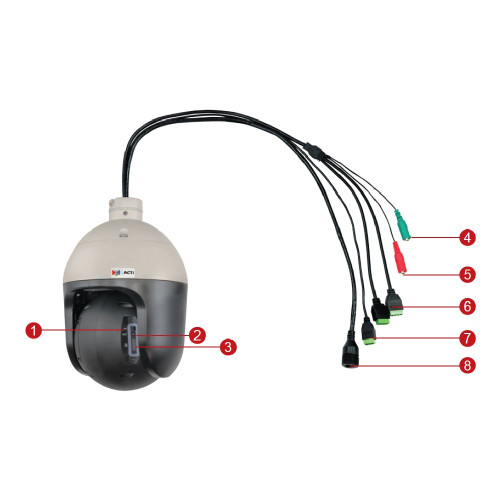
Audio capabilities are slightly different. The B913 supports two-way audio with Mic-in, Line-in, and Line-out connections, and includes a built-in microphone input. The B928 supports two-way audio with Line-in and Line-out only — no Mic-in is listed. Buyers requiring microphone input at the camera head should note this distinction. The B928 also holds Taiwan IoT Cybersecurity Certification Level 1, an additional credential not listed for the B913.
Which should you choose: the B913 or the B928?
Our take: The B913 is the stronger choice when the deployment is strictly indoors and the existing PoE+ switch infrastructure must be reused without additional power hardware. Conversely, the B928 is required for outdoor or harsh-environment sites: it adds IP66/NEMA 4X/IK10 ingress and impact protection absent on the B913, extends the operating range to −40°C versus the B913's −20°C floor, and delivers 850nm IR to a specified 200m working distance at 0 lux (B/W) compared to the B913's 0.05 lux floor with no stated IR range. The B928 also provides 36x optical zoom versus 30x and includes People Counting and Smoke Detection analytics the B913 lacks. The critical infrastructure caveat: the B928 demands 75W High PoE or AC 24V, which requires purpose-specific power hardware beyond a standard 802.3at switch port.
Side-by-Side Comparison
Spec-for-spec, from manufacturer data.
| Specification | ACTi B913 | ACTi B928 |
|---|---|---|
| Resolution | 5MP | 5MP |
| Image Sensor | 1/2.9" | 1/2.9" |
| Lens / Focal Length | 4.5–135mm (30x optical zoom) | 4.6–165.6mm (36x optical zoom) |
| Min Illumination (Color) | 0.1 lux @ F1.6 | 0.003 lux @ F1.55 |
| Min Illumination (B/W) | 0.05 lux @ F1.6 | 0 lux (IR on) |
| IR Wavelength | 700–1100nm | 850nm |
| IR Range | — | 200m |
| WDR | 120dB | 120dB (Extreme WDR) |
| Max Frame Rate | 30 fps | 30 fps @ 5MP |
| Video Compression | H.265; H.264; MJPEG | H.265; H.264; MJPEG |
| IP Rating | — | IP66 / NEMA 4X |
| IK / Impact Rating | IK09 | IK10 (metal casing) |
| Operating Temperature | −20°C to 50°C (−4°F to 122°F) | −40°C to 55°C (−40°F to 131°F) |
| Power Input | DC 12V; PoE+ (802.3at) | AC 24V; High PoE 75W |
| Audio | Two-way; Mic-in; Line-in; Line-out | Two-way; Line-in; Line-out (no Mic-in listed) |
| Edge Analytics | VMD | VMD; People Counting; Smoke Detection |
| PTZ Pan Range | 360° endless | 360° endless |
| PTZ Tilt Range | 0°–180° | −20° to 200° |
| ONVIF Profiles | S, G, T, M | S, G, T, M |
| Weight | 1,578g (3.48 lb) | 3,146g (6.94 lb) |
| Application Environment | Indoor | Outdoor |
| Warranty | 3 years (1 year continuous motion) | — |
Frequently Asked Questions
Which should you choose: the B913 or the B928?
The B913 is the stronger choice when the deployment is strictly indoors and the existing PoE+ switch infrastructure must be reused without additional power hardware. Conversely, the B928 is required for outdoor or harsh-environment sites: it adds IP66/NEMA 4X/IK10 ingress and impact protection absent on the B913, extends the operating range to −40°C versus the B913's −20°C floor, and delivers 850nm IR to a specified 200m working distance at 0 lux (B/W) compared to the B913's 0.05 lux floor with no stated IR range. The B928 also provides 36x optical zoom versus 30x and includes People Counting and Smoke Detection analytics the B913 lacks. The critical infrastructure caveat: the B928 demands 75W High PoE or AC 24V, which requires purpose-specific power hardware beyond a standard 802.3at switch port.
Is the B913 or B928 better for low-light performance?
The B928 is significantly better for low-light use. Its specified minimum illumination is 0.003 lux (color) and 0 lux (B/W with IR on), with 850nm IR illuminators rated to 200m. The B913 is specified at 0.1 lux (color) and 0.05 lux (B/W), and no IR working-distance figure is provided in its specs.
Can I power the B928 from a standard PoE+ switch the same way I would the B913?
No. The B913 draws within standard PoE+ (802.3at) limits at DC 12V or 802.3at PoE+. The B928 requires 75W — well above the 30W ceiling of 802.3at — and needs either AC 24V or a High PoE (75W) injector or midspan. A standard PoE+ switch port cannot power the B928.
Which camera offers more edge analytics out of the box?
The B928 provides more: VMD, People Counting, and Smoke Detection are all listed in its specs. The B913 lists only VMD. Neither model's provided specs mention on-board edge storage for either unit.
Get a Second Opinion on Your Camera Choice
Share your site layout, coverage goals, and budget. Our team will validate the camera selection, flag anything we would change, and recommend products that match the use case.